Water Damage Restoration La Grange IL
Water in your La Grange home? A crew is on the way. If you typed 24 hour water damage repair la grange il at two in the morning, you want one thing: a crew that answers, day and night, and gets the water out before it ruins the walls.
This page is written for a homeowner who types water damage restoration la grange into a search box at two in the morning and wants one thing: a crew that answers. It tells you what water damage restoration is, what it is not, who to call first when the water came through a sewer, what the Village of La Grange can and cannot pay for, and what the Village's own pages say about the flood that is still coming.
- 24/7 emergency response, day and night
- Water extraction, drying and moisture mapping
- Burst pipes, basement flooding and sewer backups
- Written scope of work before any repair starts
Serving La Grange, Illinois, downtown La Grange Road, Burlington Avenue, Stone Avenue, Cossitt Avenue, Ogden Avenue, 47th Street and every block from the Historic District to the South Basin.
- We answer 24/7
- Local Chicago team
- Insurance documentation help
- Straight answers, no pressure
Request water damage help in La Grange
Tell us where the water is and what it looks like. We answer 24/7.
The short answer: water damage restoration in La Grange
Water damage restoration la grange is the job of getting the water out, drying the building, and putting back what the water ruined. It is not a fan in the corner and a promise. A fan in the corner dries the surface, and the wall behind the paint stays wet for weeks. The mold grows behind the paint, where no one can see it, and the floor buckles a month later. Restoration is the whole job, and drying is only the middle of it.
A homeowner who types water damage restoration la grange il into a search box is usually standing in front of a wet wall or a wet ceiling, or smelling a musty odour that was not there last month. The first thing to know is that the water is not the problem. The water is the cause. The problem is what the water leaves behind: wet drywall, wet insulation, wet framing, and a house that looks dry and is not. Fix the source first, and the drying has something to work on. Dry a house without fixing the source, and you have paid for a job that will fail.
The second thing to know is that no page can give you a price for this job. This site prints no prices, and that is a deliberate choice: the cost of a water job depends on how much water there is, what kind of water it is, how many rooms got wet, and what material it soaked. A company that quotes a number over the phone, before it has seen the wall, is guessing. We inspect first, then give you a written scope of work with the cost in it, before any repair starts.
The third thing to know is that La Grange is a village with a flood record, and the record is on the Village's own pages. On October 14, 2017, the village received over seven inches of rain, greater than a fifty-year storm, and the combined sewers backed up into basements. On June 26, 2021, a storm exceeded the capacity of the sewer system and flooded streets, basements and low-lying areas.
The village has lived with high-intensity rain against a sewer system largely built one hundred years ago, and the South Basin has flooded badly in the summers of 2010 and 2014. This page tells you what the Village is building about it, what the Village will help pay for, and what the Village will not pay for, with the Village's own pages named as the source, so you can check every line.
The fourth thing to know is that the Village of La Grange has a grant for sewer-backup prevention, and it is paused right now. The Residential Sewer Backup Prevention Grant pays fifty percent, up to three thousand dollars for a backflow device or five thousand dollars for an overhead sewer, with a one-time cap of five thousand dollars. But the Village's own grant page, updated on October 30, 2026, says applications are not being accepted at this time. A page that tells you the grant is open would be lying to you. This page tells you it is paused, and it tells you what else the Village waives while you wait: the building permit fees for flood damage and for flood-control measures on existing construction.
And the last thing to know before you read on: there is no verified named water-damage case in La Grange anywhere, no company, no job street address and no job date together, on any platform we checked. This page invents none. What it gives you instead is what was actually verified: the Village's own pages, the 50th Street Relief Storm Sewer and the court case that cleared it, one La Grange basement on video, and the drying rules from a live how-to guide. A page that invents a case would be lying to you. This one does not.
Where La Grange is, and where it is not
La Grange is a village in Cook County, Illinois, a west suburb of Chicago, about thirteen miles west of the Loop. It was incorporated on June 11, 1879, and it has one ZIP code, 60525, and one post office. The 2020 census counted 16,321 people in the village, on 2.52 square miles of land. It is small enough that a crew can cross it in fifteen minutes, and old enough that most of its houses were built in a single century of building, Victorians and Tudors and Colonials and Foursquares and Dutch Colonials and ranches and brick bungalows, side by side on the same block.
The village is bounded on four sides: La Grange Park to the north, Brookfield and McCook to the east, Countryside and unincorporated La Grange Highlands to the south, and Western Springs to the west. That matters for water work, because the village you live in decides which office takes your call, and the village next door does not take it at all. La Grange Park is a separate village with its own ZIP code and its own programme, do not confuse the two. Hodgkins and Burr Ridge do not border La Grange, and a page that lists them as neighbours has not read the map.
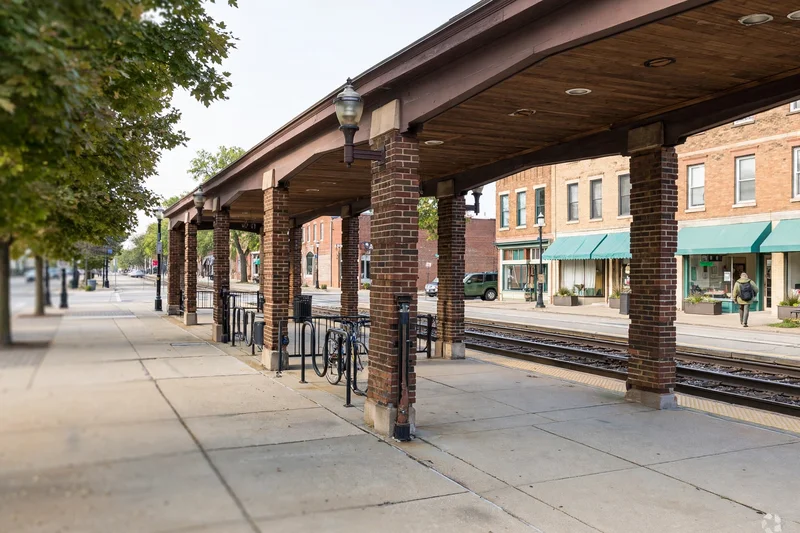
La Grange Road is the spine of the village. It runs north and south through downtown as U.S. Routes 12, 20 and 45, and Village Hall sits on it at 53 S La Grange Road. Burlington Avenue runs east and west through downtown, and both Metra stations front it: the La Grange Road station at 25 W Burlington Avenue, and the Stone Avenue station at 701 W Burlington Avenue. The two stations are about four-tenths of a mile apart, on the BNSF Line, in Fare Zone 3.
The La Grange Road station is also an Amtrak stop. The trip to Chicago Union Station takes twenty-four to thirty-seven minutes from the La Grange Road station, and twenty-six to thirty-nine minutes from Stone Avenue, with the fastest express runs at about twenty to twenty-five minutes. Stone Avenue is weekday-only, with no weekend service. The GPS anchor for this page is the La Grange Road and Burlington Avenue crossing in downtown La Grange, the crossing the two Metra stations face, and the crossing a crew reaches first from any direction.
Ogden Avenue, U.S. Route 34, crosses La Grange Road in the village. 47th Street divides the village's North and South flood basins, and the South Basin, the area south of 47th Street, is the area that floods. Cossitt Avenue runs through the Historic District, and the Historic District Tour starts at Cossitt and Spring. East Avenue runs north and south on the east side, and Public Works sits on it at 320 East Avenue. Spring Avenue runs through the Historic District, past the houses at 101, 109 and 112 South Spring. The village is small, and a crew that knows its streets knows where the water goes: south of 47th Street, into the six low-lying depressional areas, and up through the floor drains when the combined sewer surcharges.
The village is small enough that a crew can cross it in fifteen minutes, and the work starts from knowing which streets flood and which sewers back up. The houses here are old, and old houses have old pipes: galvanized and copper lines in houses built from the 1890s to the 1950s, finished basements below grade, and combined sewers that carry rain and wastewater in the same pipe. When a high-intensity rain event overwhelms the combined system, the wastewater can flow back into a home from the public sewer main, and the basement floods from the floor drain up. That is the La Grange pattern, and it is the pattern this page is built around: old houses, old pipes, a combined sewer, and a South Basin that floods.
La Grange is also a village where the water is managed by more offices than most homeowners expect. The Village's Public Works Department handles the streets, the storm sewers and the water mains. The Metropolitan Water Reclamation District handles the treatment plants and the deep tunnels. The Illinois Environmental Protection Agency handles the stormwater permit. The Federal Emergency Management Agency handles the floodplain rule. The Village's own Flood Mitigation pages handle the grants, the waivers and the flood forms. This page gives you each office with its number and its hours, so the first hour after the water comes in is spent on the right call, not on the wrong one.
What to do in the first hour after water damage in La Grange
Finding water in your home is frightening, and the first hour is the hour that decides whether the job is small or large. Seven steps, in order. They take an hour, and they save you a week. Emergency water damage restoration la grange il is the search a homeowner types when the water is still coming in, and this section is written for that homeowner. The fourth step is the one most pages leave out, and it is the one that matters most in La Grange: call the Village or the district, because the Village owns the public main and you own the private service line, and only the Village can tell you which one is blocked.
Call us first.
Call (773) 570-9869 any time, day or night. Tell us where the water is, what it looks like, and whether it is still coming in. We answer 24/7 and talk you through the first hour while a crew is on the way to your La Grange home.
Make it safe and stop the source.
Turn off the main water valve if the water is coming from a pipe, and turn off the water heater as well. Never step into water that may touch outlets, appliances or cords, and never try to turn off power at the breaker box while standing in water. Call 911 if there is an electrical or gas hazard.
Document before anything moves.
Photograph the water line and every wet room before anything is moved, and keep a written list of what was wet, what you moved and what was thrown away. The insurer reads the photographs, the receipts and the drying log, and the drying log is the record that settles the claim.
Call the Village or the district if the water came from the street or the sewer.
If the water came up through a floor drain, or the street is flooding too, call the Village: Public Works at (708) 579-2328 in business hours, or the dispatch number at (708) 215-3586 after hours. For flooding calls after hours, the Lyons Township dispatch number is (708) 352-2059. The Village says to contact the Fire Department and the Department of Public Works for a flooded basement.
Extract the standing water.
The standing water comes out first, with pumps and wet vacuums, before anything is dried. A wet vacuum handles a few inches; a pump handles a flooded basement. If flood water is still outside, wait until the outside level is lower than the basement level before pumping, because pumping too fast can damage the walls.
Remove what cannot be saved and set the drying.
Wet drywall comes out to above the high-water mark, and porous material, carpeting, ceiling tiles and soaked insulation, is discarded, not cleaned. Air movers and dehumidifiers are set, and every wall and floor is mapped with a moisture meter. Dry is a number on the meter, not a look.
Monitor daily and hand over the file.
We read every wall and floor each day and write the readings into a drying log you can see. The walls do not close until the readings say dry. When the drying is finished, you get the file: the drying log, the photographs and the receipts, ready for the insurer.
The step that matters most is the second one: make it safe, and stop the source. Never step into a flooded basement if the water may contact electrical outlets, appliances or cords, and never attempt to turn off power at the breaker box if you must stand in water to do so. Those are the Village's own words, from its Emergency Management and Preparedness page, and they are the first thing to read before you touch anything. If you are concerned about electrical or gas hazards, always dial 911. A wet basement with live power in it is not a cleaning job. It is an emergency.
The step that saves the insurance claim is the third one: document before anything moves. The insurer reads the photographs, the receipts and the drying log. A drying log is a written record of the moisture readings in every wall and floor, taken each day until the readings say dry. A company that dries your home without a drying log has no record that the drying happened, and the insurer has no record to read. Ask for the drying log. It is the single most useful document in a water claim, and it costs nothing to keep.
The step that saves the most time is the fourth one: call the Village or the district before you call a plumber, if the water came up through a floor drain. A plumber can clear a private service line, but a plumber cannot clear a public main, and a plumber cannot tell you which one is blocked. The Village can. Public Works takes the call at (708) 579-2328, Monday to Friday, 7:00am to 3:30pm. After hours, the dispatch number is (708) 215-3586. For flooding calls after hours, the Lyons Township dispatch number is (708) 352-2059. The Village's own emergencies page says the same thing in its own words: for assistance with a flooded basement, contact the Fire Department and the Department of Public Works.
Seven ways water gets into a La Grange home
Water gets into a La Grange home in seven ways, and they are not the seven ways a Chicago page would list. The houses here are old, the pipes are old, and the combined sewer carries rain and wastewater in the same pipe. When a high-intensity rain event overwhelms the system, the water comes up through the floor drain. When a pipe freezes in January, the water comes down through the ceiling. When the sump pump fails, the water comes in at the floor. This section takes the seven ways one by one, because the way the water came in decides the job, the cleaning and the claim.
1. Basement flooding in a big storm
Basement flooding cleanup la grange il is the job water damage restoration la grange crews are called for most after a big storm, and it starts the same way every time: the water comes in at the floor and wicks up the drywall. On October 14, 2017, the village received over seven inches of rain, greater than a fifty-year storm, and the combined sewers backed up into basements across the village. On June 26, 2021, a storm exceeded the capacity of the sewer system and flooded streets, basements and low-lying areas. The pattern is the same in both events: the rain falls faster than the sewers can carry it, the combined system surcharges, and the wastewater comes back into the home from the public sewer main, through the floor drain.
A flooded basement is the first thing to dry, because the basement is where the water sits longest. The standing water comes out with pumps and wet vacuums, and the wet drywall comes out to above the high-water mark. Porous material, carpeting, ceiling tiles and soaked insulation, is discarded, not cleaned. The drying runs with air movers and dehumidifiers until the moisture readings say dry, and the readings are written into a log you can see. A basement that was dried with household fans is not a dried basement. The wall behind the paint is still wet, and the mold grows behind it for weeks before the smell reaches the room above.
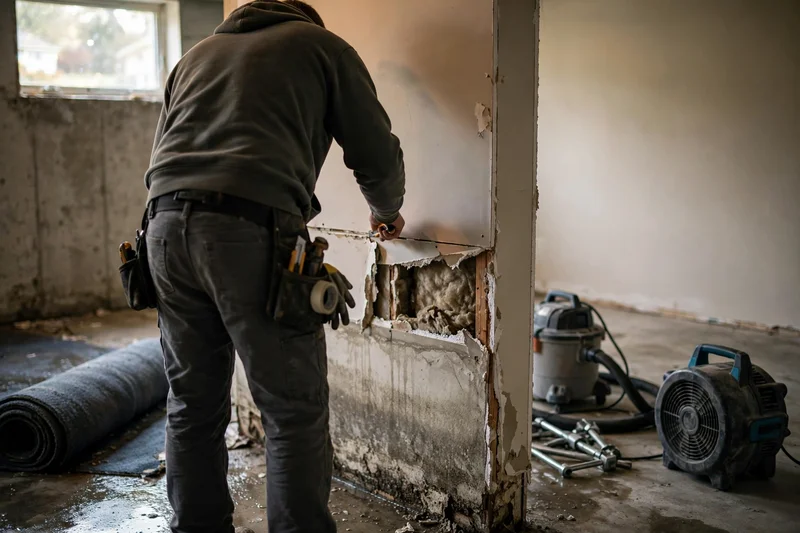
The Village's own Flood Mitigation page says the same thing in its own words: high-intensity rain events have increased in recent years, and those events generate stormwater that exceeds the capacity of the Village's sewer system, which can result in flooded basements, overland flooding, and flooding on private property. That is the Village's own sentence, and it is the reason this page exists. A basement that floods in every big storm is not a house problem. It is a sewer problem, and the sewer is the Village's, until the water crosses the property line.
2. Sump pump failure
Sump pump failure basement flooding la grange is the search a homeowner types when the basement filled overnight and the pump is silent. A sump pump that failed over the winter is found in the spring, and water damage restoration la grange work in the spring is usually a winter failure found late. Spring brings the thaw and the rain together, and the sump pump runs the most. A pump that failed over the winter is found when the thaw fills the pit and the pump does not start, and the basement fills while the family sleeps.
A sump pump failure has its own rules in La Grange, and they are Village rules. The Village's grant programme, the one that is paused right now, does not pay for sump pumps at all: sump pumps are on the not-eligible list, along with foundation crack sealing, footing drains, basement wall and finish replacement, electrical upgrades and battery back-up. That matters, because a homeowner who buys a sump pump expecting the grant to pay for it will be disappointed twice: the grant is paused, and the pump was never eligible.
What the Village does require is a permit for the work around the pump: installing drain tile or foundation waterproofing needs a permit, with plan review, and the plumbing fee is one and three-quarter percent of the cost, with a one-hundred-dollar minimum.
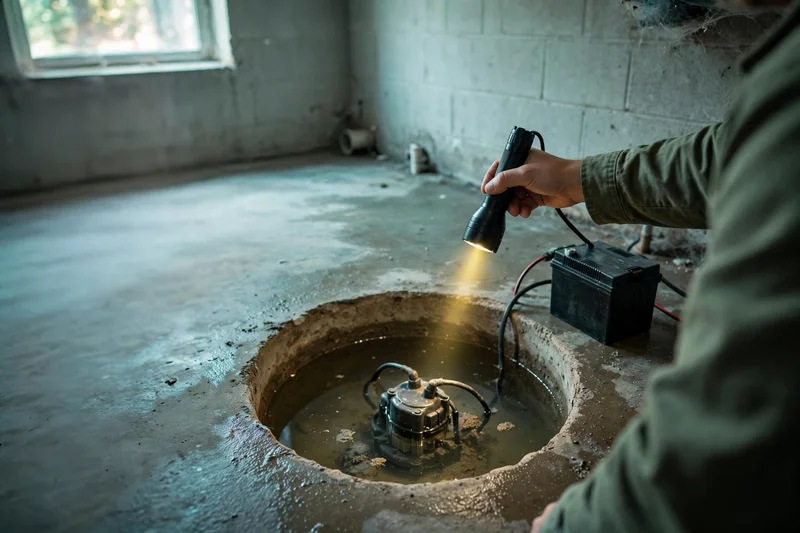
The drying after a sump pump failure is the same as the drying after any basement flood: extract the water, remove what cannot be saved, set the drying, and monitor the readings each day. The difference is the cause. A sump pump failure is a pump problem, and the pump has to be fixed before the drying starts, or the basement floods again the next time it rains. A basement that flooded because a sump pump failed may be covered by insurance if you hold the water-backup endorsement. A basement that flooded because a storm overwhelmed the drain is usually a flood question, not a homeowners question. Ask your insurer before the next storm, not after it.
3. Burst and frozen pipes
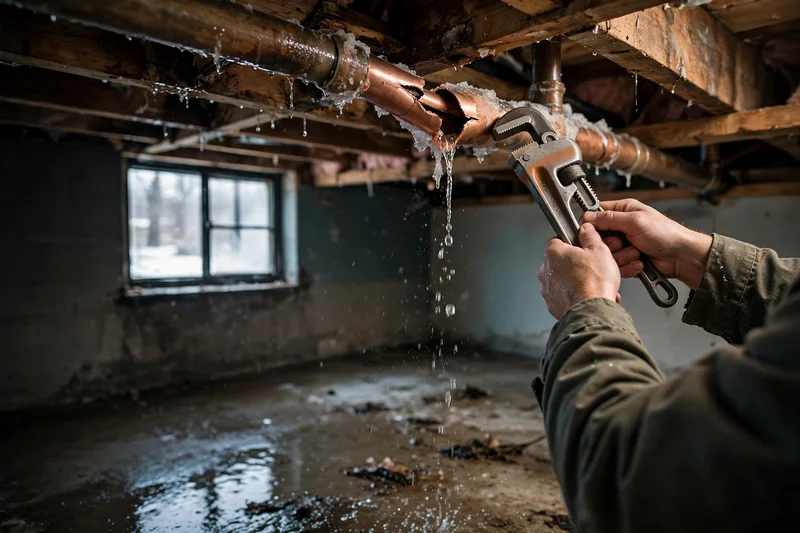
Burst pipe water damage la grange il is the search a homeowner types in January, when a pipe froze and split in the night. A burst pipe is the clearest insurance case, and water damage restoration la grange crews see more burst pipes in January than in any other month. Winter brings frozen pipes and frozen discharge lines, and a pipe that froze and split puts clean water on the floor. The water runs until someone finds it, and a burst pipe found in the morning has been running all night.
A burst pipe is a supply pipe that split open, usually from freezing. The insurer usually pays for the water damage the burst caused, not for the pipe itself. A pipe that leaked slowly for months may be classed as wear and tear, and the water damage that grew from it may not be covered. The difference is sudden against slow, and the difference is decided by the photographs, the receipts and the drying log. Report a burst the day you find it, and photograph everything before you move it. A burst pipe in January is a sudden event, and the insurer usually pays for the water damage the burst caused and the mold that followed it, not for the pipe itself.
Inside the house, a burst pipe is a private job: shut the main valve, call a plumber, and call us. Outside the house, a burst water main is a Village job: a street or parkway main break is Public Works, at (708) 579-2328 in business hours, or the dispatch number at (708) 215-3586 after hours and on weekends or holidays. The Village's Water Main Breaks page says so, and the Village's Water Services page says the same. A homeowner who calls a plumber for a street main break will be told the same thing this page tells you: the main is the Village's, and the plumber cannot fix it.
4. Sewage backup
Sewage backup cleanup la grange il is a different job from clean-water work, because the water carries germs and the cleaning needs containment. A sewer backup is the one job where the first call matters more than the crew, and water damage restoration la grange work starts with the district, not the plumber. When the combined sewer system is overburdened in a large rain event, wastewater can flow back into a home from the public sewer main. That is the Village's own sentence, from its grant page, and it is the reason the grant exists: to pay for the valve or the overhead sewer that keeps the wastewater out.
The Village runs three sewer systems, combined, sanitary and storm, and whether the problem is in the public main or the private building service pipe decides who fixes it. The combined system conveys rain and wastewater to the treatment plants, and wet-weather overflow discharges to a Salt Creek tributary to the Des Plaines River under the Village's IEPA permit. The creek itself runs through La Grange Park and Brookfield, not through the village, and this page does not call it a La Grange waterway.
The separate storm system covers the area from Gilbert Avenue to Edgewood Avenue, and from 47th Street to 51st Street to the McCook Ditch, which drains to the Chicago Sanitary and Ship Canal. A homeowner who knows which system the water came from knows who to call.
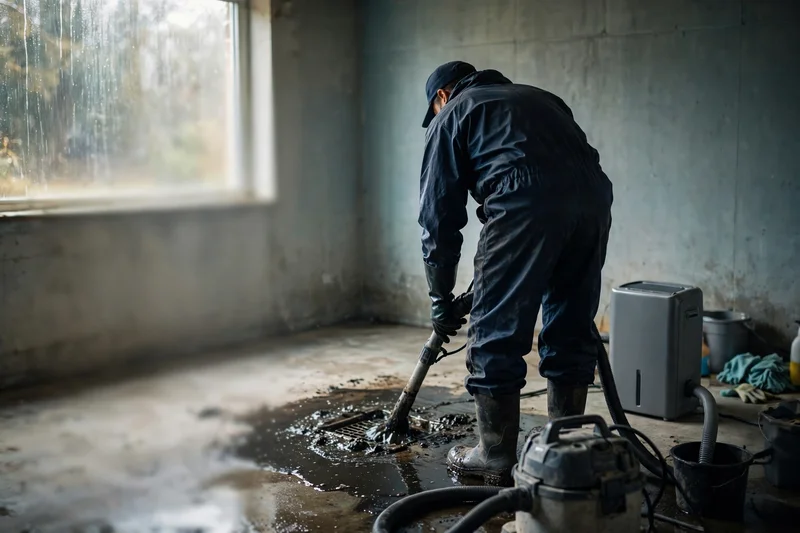
A sewer backup is Category 3 water, black water, and it is the one category that needs containment, protective gear and a different cleaning protocol from clean water. Stay out of the room, cut the power if you can do it safely, stop using the water, and call a professional. Document everything for the insurance endorsement, because sewer backup and sump pump overflow need a separate endorsement, and a homeowners policy does not cover them without it. The grant that would have paid for the backflow valve or the overhead sewer is paused right now, and the Village's own grant page says so. The valve is still worth fitting, and the permit fees for grant-funded work are waived when the grant reopens.
5. The ceiling stain: water from the floor above
Who to call for water damage in ceiling la grange is the search a homeowner types when a brown stain spreads across the ceiling and the floor above has a leak. A ceiling stain is a map of the water above it: a stain under a bathroom means a leak from the tub or the toilet; a stain under a kitchen means a leak from the sink or the dishwasher; a stain under a roof means a leak from the roof or an ice dam. The stain is the map, and the water is what gets fixed.
A ceiling job starts with the floor above, not the ceiling. The supply line or the drain above the stain has to be found and fixed before the ceiling is opened, or the water comes back through the new ceiling within weeks. The wet drywall comes out, the insulation above it is checked, and the drying runs until the readings say dry. A ceiling that was painted over without drying is not a repaired ceiling. The water is still in the insulation, and the stain comes back through the paint.
La Grange ceilings are old ceilings, and old ceilings are plaster ceilings in the oldest houses. Plaster dries differently from drywall: it holds water longer, it dries slower, and it cracks when it dries too fast. A plaster ceiling that got wet needs a slow dry, with the readings taken each day, and a fast dry will crack it. A company that dries a plaster ceiling like a drywall ceiling has not read the house. Tell the company the ceiling is plaster before the drying starts.
6. The roof and the ice dam
A roof leak is the water that comes in from above, and an ice dam is the water that comes in from the edge. In winter, snow melts on the warm part of the roof, runs down to the cold eave, and freezes into a dam. The water behind the dam has nowhere to go, so it goes under the shingles and into the attic, and then through the ceiling. A roof leak in a storm is a sudden event, and the insurer usually covers the water damage it caused. A roof that leaked slowly for months may be classed as wear and tear.
An ice dam is a winter job, and it is a preventable one. Keep the gutters clear of leaves in the fall, because a blocked gutter in October is a wet wall in January. Keep the attic cold, because a warm attic melts the snow that becomes the dam. Keep the insulation even, because a thin spot in the insulation is a warm spot on the roof. Four habits, and the dam has nothing to feed on. A roof job that starts with the roof is a roof job. A roof job that starts with the ceiling is a water job, and the water is what gets fixed first.
The Village's own pages do not name roof leaks as a flood cause, and this page does not pretend otherwise. Roof water is private water, and the Village does not fix it. What the Village does fix is the street, the storm sewer and the water main, and what the Village does waive is the permit fee for flood damage and for flood-control measures on existing construction. A roof leak is your job, and the permit for the repair is yours to pull, but the fee for flood-related damage is waived, and the waiver form is on the Village's own site.
7. The water heater and the appliance line
A water heater that fails puts forty or fifty gallons of water on the floor in minutes, and an appliance line that splits puts water on the floor for hours. A water heater is the most common appliance failure in a La Grange home, because the heaters here are old, and an old heater fails at the bottom, where no one looks. A washing machine hose that splits is the second most common, because a rubber hose that has been under pressure for ten years splits without warning. A dishwasher supply line that drips is the third, because it drips behind the cabinet, where no one sees it, for months.
An appliance leak is a clean-water job, and clean water is the easiest water to dry, but only if it is found fast. A water heater that failed in the morning and was found in the morning is a small job. A dishwasher line that dripped for months is a big job, because the water wicked into the subfloor and the framing, and the mold grew behind the cabinet. The difference is time, and the difference is decided by the day the leak was found. Check the water heater every year, check the washing machine hoses every year, and check behind the dishwasher every year. Three checks, and the appliance has nothing to hide behind.
A water heater replacement needs a permit in La Grange, an Express permit, with abbreviated review, and so does a water service repair or replacement. Sewer repair or replacement needs the same Express permit. That is the Village's own permit page, and it is the reason this page says so plainly: the text of an earlier research file said sewer repair needed no permit, and that line was wrong. The live permit page lists all four, sewer repair or replacement, water service repair or replacement, water heater replacement and miscellaneous plumbing, under "Permit Required: Express Permit". Get the permit first.
Does insurance cover water damage in La Grange
A homeowner who types does homeowners insurance cover water damage in la grange into a search box wants a yes or a no, and the answer is the cause. Insurance usually covers water damage when the water came from a sudden and accidental covered event, such as a burst pipe or an appliance failure, or a storm that damaged the roof. The insurer pays for the drying and the repair, less your deductible, and the water portion may have its own limit. It does not cover flooding from outside, sewer backup or a slow leak, unless you hold the endorsement that covers them. The cause decides the coverage, and the cause is what the adjuster reads first.
The rule is the same in every engine, and it is the same rule this page prints. A burst pipe is the clearest case. A pipe that froze and split in a cold snap is a sudden event, and the insurer pays for the water damage the burst caused, not for the pipe itself. A pipe that leaked slowly for months may be classed as wear and tear, and the water damage that grew from it may not be covered.
A basement that flooded because a storm overwhelmed the drain is usually a flood question, not a homeowners question, and a homeowners policy does not cover flooding from outside. A basement that flooded because a sump pump failed may be covered if you hold the water-backup endorsement. A window well that flooded because a storm overwhelmed the drain is usually a flood question. A window well that flooded because a sump pump failed may be covered if you hold the endorsement. Ask your insurer before the next storm, not after it, and ask in writing, so the answer is on the record.
The payment itself depends on your policy, your deductible, the cause of the water, and the limits you bought. No page can give you a number, because no page knows your policy. The insurer pays the cost of the drying and the repair, less your deductible. Keep every receipt and photograph, and keep the drying log. The drying log is the record that settles the claim, and it costs nothing to keep. Report the damage the same day you find it, and photograph everything before you move it.
One more rule matters, and it is the only fifty percent rule this page prints. It is a federal floodplain rule: if repairs cost half or more of what the home is worth, not counting the land, the home must be brought up to current floodplain standards. There is no informal fifty-fifty split between the insurer and the homeowner, and no page should invent one. This page prints the federal rule because it is the rule, and it does not print a split because no split exists.
What water damage costs in La Grange
A homeowner who types how much does water damage restoration cost in la grange into a search box wants a number, and this page will not give one, because a number on this page would be a lie. The cost of a water job depends on how much water there is, what kind of water it is, how many rooms got wet, and what material it soaked. A small job in one room is not the same job as a basement job, and a basement job is not the same job as a whole-level job. A company that quotes a number over the phone, before it has seen the wall, is guessing, and the guess is usually low.
One engine says five hundred to eight thousand dollars or more for a standard job, and eight thousand to twenty thousand dollars or more for a major one. Another says one thousand two hundred and fifty to two thousand five hundred dollars for a minor to moderate job, and three thousand five hundred to ten thousand dollars or more for an extensive one.
A third says one thousand five hundred to seven thousand dollars for a moderate job, and twelve thousand to thirty-five thousand dollars or more for a major one. A fourth says two thousand five hundred to four thousand dollars is typical. The only honest answer is a written scope of work, after an inspection, with the cost in it, before any repair starts.
What the cost depends on, in order: the extent of the water, the category of the water, the number of rooms, the material it soaked, and the drying. Clean water from a supply pipe is the cheapest water to dry. Grey water from a washing machine or a dishwasher costs more, because it carries soap and dirt. Black water from a sewer backup or a flood costs the most, because it needs containment, protective gear and a different cleaning protocol.
Drywall that has to come out to above the high-water mark costs more than drywall that can stay. Insulation that has to be discarded costs more than insulation that can dry. A job that needs containment costs more than a job that does not. And a job that starts after the water source is fixed costs less than a job that has to be done twice, because the first company did not fix the water.
Water damage restoration in La Grange jobs also carry one cost that most homeowners do not expect: the repair after the drying. Drying removes the water. It does not rebuild the wall. The wall is rebuilt after the drying is finished and the moisture readings say dry. The repair is a separate scope of work, with its own cost, and it starts after the drying ends. A quote that does not separate the two is a quote that hides the second half of the job.
City programmes: what the Village will help pay for
The Village of La Grange pays for prevention, not for cleanup, and even the prevention money is paused right now. That is the first fact, and it is the one most pages get wrong. The Residential Sewer Backup Prevention Grant pays fifty percent of eligible costs, up to three thousand dollars for a backflow device or five thousand dollars for an overhead sewer, with a one-time cap of five thousand dollars, and the permit fees for grant-funded work are waived.
But the Village's own grant page, updated on October 30, 2026, says applications are not being accepted at this time, and additional information will be provided as it becomes available. A page that tells you the grant is open would be lying to you. This page tells you it is paused.
The grant, when it reopens, is for single and two-family existing homes only. New construction is not eligible. Properties in the South Lyons Sanitary District are not eligible. Rentals are eligible only if the owner applies. All work must be done by a licensed plumber after a building permit is issued, and the owner must obtain at least three written proposals from licensed plumbing contractors before the work begins. Downspouts and sump pumps connected to the combined sewer must be disconnected to participate.
The grant period runs May 1 to April 30 each year, on a first-come, first-served basis. An overhead sewer, an ejector pit, an ejector pump and a backflow valve, with all basement plumbing directed to the new pit and pumped into the building sanitary service, is the gold standard the grant pays for.
Sump pumps, foundation crack sealing, footing drains, basement wall and finish replacement, electrical upgrades and battery back-up are not eligible, and neither is the cleanup itself: the grant page says, in its own words, that backup or flooding damage and expenses associated with cleaning up, repairing, or replacing property damaged by a sewer backup or flood are not eligible.
Separately, the Village waives building permit fees for flood damage and for flood-control measures on existing construction. The waiver is on the Village's own page, and it says the Village will waive building permit fees for damage related to flooding as well as for the installation of flood control measures for existing construction. A waiver form is required, contractors must be licensed and bonded with the Village, and the permit is still issued under normal regulations. The Village may conduct preliminary inspections. Residents with rear-yard flooding can contact the Community Development Department for an evaluation and mitigation suggestions, and the Village provides discounted engineering services on request.
The 50th Street Relief Storm Sewer is public infrastructure, not homeowner funding. It is a thirty-seven-million-eight-hundred-thousand-dollar project, in multiple construction phases, and it does not pay homeowners. The 2015 referendum that funds it, a retail sales tax, a utility tax, a telecommunications tax and a sewer rate, funds the public storm sewer, not homeowner grants. A homeowner who asks the Village for a rebate for a backwater valve will be told the same thing this page tells you: the grant is the only homeowner money, and it is paused. The public project is the Village's, and the private valve is yours, and the valve is still worth fitting, because the next big rain is coming whether the grant is open or not.
The 50th Street Relief Storm Sewer: the project
The 50th Street Relief Storm Sewer is the project that would stop the South Basin from flooding, and it is the project that has waited ten years. The South Basin is the area south of 47th Street, with six low-lying depressional areas that flood when the rain falls faster than the sewers can carry it. The project expands stormwater capacity for those six areas, with a trunk stormwater sewer from Stone Avenue to East Avenue, lateral sewers to five depressional areas, outfall reconstruction to convey stormwater into the quarry, and water main replacements as part of the Village's Lead Service Line Replacement program. The estimate is thirty-seven million eight hundred thousand dollars, broken into multiple construction phases. It is not built yet.
The project was funded by a referendum approved by voters in April 2015, and the engineering was completed in 2016. Bids were taken in the spring of 2016. Then the project stopped, because of litigation with the Lehigh Hanson Quarry in McCook. The litigation prohibited increasing discharge into an existing remnant stormwater sewer pipe the quarry had intentionally severed to expand operations, and the Village could not proceed while the case was open.
The case ran for years: a Circuit Court order from Judge Neil Cohen declared the Village has a right to continue use of its fifty-four-inch storm sewer pipe in the South drainage basin, and the Appellate Court, First District, ruled in favour of the Village on June 30, 2026. The quarry appealed, and on September 30, 2026, the Illinois Supreme Court denied the quarry's Petition for Leave to Appeal. The Village's own press release says the denial represents clearing the final legal hurdle.
Clearing the legal hurdle is not the same as building the sewer. The next steps are an Intergovernmental Agreement with the Metropolitan Water Reclamation District, then soliciting for bids. Village President Mark Kuchler is quoted in the release, and the release is the authority for every line in this section. The older project page, at the /391 address, now returns the site's own 404 page; the live project page is /308. The Flood Mitigation frequently asked questions page still says the appeal is pending, and that answer is stale, superseded by the release. This page does not print it.
Two other projects sit beside the 50th Street project, and they are worth naming so the three are not confused. The Maple Avenue Relief Sewer was constructed up to La Grange Road. The Ogden Avenue Relief Sewer is in planning. The 50th Street project is the South Basin project, and it is the one that has waited for the court. A homeowner south of 47th Street who asks when the sewer will be built should be told the truth: the court has cleared the way, the agreement comes next, then the bids, and then the building. The wait is not over. The legal hurdle is.
Lookalikes: the other La Granges, and the towns next door
La Grange is not the only La Grange, and the search engines know it. There is a La Grange in Texas, and it appears in the flood results for every search that does not carry the state. There is a La Grange in Georgia, and it appears in the pack for the head term. There is a La Grange in Ohio, and it appears at the top of the sump pump results. There is a La Grange in Kentucky, and a La Grange in North Carolina.
A homeowner who types the head phrase without the state may see a La Grange that is not this La Grange, and a page that does not carry the state in its title and its headings may rank for the wrong La Grange. This page carries the state in its title, in its headings and in its address, because the state is what separates this La Grange from the others. The one-word spelling, LaGrange, is the Georgia and Ohio spelling. The village is La Grange, two words, and this page spells it that way throughout.
The towns next door matter too, because the water work crosses their lines. La Grange Park is north, and it is a separate village with its own ZIP code and its own programme. Brookfield is east, and McCook is east too, and the quarry in McCook is the reason the 50th Street project waited ten years. Countryside is south, and the unincorporated La Grange Highlands are south too. Western Springs is west. A homeowner on the La Grange Park line calls La Grange's Public Works, not La Grange Park's.
A homeowner on the Brookfield line calls La Grange's Public Works, not Brookfield's. The town you live in decides the office you call, and the office you call decides how fast the water stops. A franchise name is not an address.
Commercial water damage in La Grange
Commercial water damage restoration la grange il is a different job from a home job, because a business has customers, employees and a lease, and a rental building has tenants and a landlord. A restaurant with water behind the wall is a health question, not just a building question. An office with water in the ceiling is a question for the employees who breathe the air. A rental building with water in three units is a question for the landlord, the tenants and the insurer, all at once.
Water damage restoration in La Grange businesses starts the same way it starts in a home: stop the source, extract the water, document everything, remove what cannot be saved, set the drying, and monitor the readings each day. The difference is the containment. A business cannot close for a week, and a rental building cannot empty for a week, so the containment has to let the business keep running while the work goes on. The contained area is sealed, the negative air runs, and the work happens inside the containment while the rest of the building stays open. A company that tells a business to close for the whole job has not planned the containment.
A rental building also has a record-keeping duty that a home does not. The landlord has to tell the tenants what was found, what was done and when the drying finished. The tenants have to be told the day the water appears, and the landlord has to be told the day the water appears. The record is the photographs, the receipts, the drying log and the clearance report, and the record is what the insurer reads and what the tenants ask for. Keep the record, and keep it in writing. Downtown La Grange, on La Grange Road and Burlington Avenue, is a street of shops and offices above and beside the Metra stations, and a water job on that street is a job that has to keep the shop open.
Water damage by building type in La Grange
A Victorian is the oldest house in La Grange, and its water job is the basement and the roof. A Victorian has a stone foundation, and a stone foundation lets water through in a way a poured foundation does not. A Tudor has a steep roof, and its water job is the roof and the chimney. A Colonial has a full basement, and its water job is the basement and the sump pump. A Foursquare has four rooms to a floor, and its water job is the ceiling between the floors.
A Dutch Colonial has a gambrel roof, and its water job is the roof and the attic. A ranch has one floor above grade and one floor below, and its water job is the lower level. A brick bungalow has a low roof and a full basement, and its water job is the basement and the gutters.
The building type decides the drying, the containment and the repair. A Victorian basement with a stone foundation is a containment of one room, with the family living upstairs. A Colonial basement is a containment of the whole lower level, with the family living on the main floor. A Foursquare ceiling is a containment of the room below, with the family living above. A ranch lower level is a containment of one room, with the family living upstairs. The job is the same in every building, stop the source, extract the water, document everything, remove what cannot be saved, set the drying, and monitor the readings, but the containment is different in every building, and the company has to plan it for the building it is standing in.
Water damage restoration in La Grange work in a house built in the 1890s is also different from the same work in a house built in the 1950s, because the materials are different. The oldest houses have plaster walls and stone foundations, and plaster dries slower than drywall. The mid-century houses have drywall and poured foundations, and drywall that has been wet is discarded, not cleaned. The repair after the drying is a rebuild of the wall, not a patch of the paint, and the rebuild starts after the drying is finished and the readings say dry. A company that dries a plaster wall like a drywall wall has not read the house.
Choosing a water damage company in La Grange
Choose a water damage company the way you choose a surgeon: by what it asks you, not by what it tells you. A good company asks where the water is, what it looks like, whether it is still coming in, and when you first saw it. A good company asks for the inspection before it quotes a price. A good company asks whether the water came from the street or the sewer, and whether you have called the Village. A bad company quotes a price over the phone, before it has seen the wall, and a bad company tells you the grant is open.
Ask five things before the work starts, and do not accept a job that has no answer. First, ask for a written scope of work before the work starts, with the cost in it. Second, ask whether the drying will be logged, with the moisture readings written down each day. Third, ask how the area will be contained, and whether the material that comes out will be bagged inside the containment. Fourth, ask whether the company knows the Village's permit rules, and whether the permit will be pulled before the work starts.
Fifth, ask for proof of liability insurance. Then ask for the drying log, and ask for the file in writing when the job is done. A company that can answer all five is a company that has done this job before. A company that cannot answer the first is a company that has not measured the job.
Water damage restoration in La Grange companies should also be asked one more thing: how they handle the Village. The Village owns the public main, the storm sewer and the water main, and the Village waives the permit fee for flood damage and for flood-control measures. A company that knows the Village will call Public Works before it calls a plumber, when the water came up through a floor drain.
A company that does not know the Village will spend the first hour on hold with the wrong office, and the water will keep coming in while it waits. Ask how the company handles the Village, and do not accept a job that has no answer. That is the test a water damage restoration La Grange company has to pass before the work starts: know the Village, call the right office first, and keep the water from waiting on a phone queue.
The first-hour checklist for water damage in La Grange
Print this section, or save it on your phone, because the first hour after the water comes in is the hour that decides whether the job is small or large. Seven steps, in order, and each one takes minutes.
- Call us first, at (773) 570-9869. We answer 24/7, and we talk you through the first hour while a crew is on the way.
- Make it safe and stop the source, if you can do it safely. Turn off the main water valve if the water is coming from a pipe, and turn off the water heater as well. Never step into water that may touch outlets, appliances or cords.
- Document before anything moves. Photograph the water line and every wet room, and keep a written list of what was wet, what you moved and what was thrown away.
- Call the Village or the district if the water came from the street or the sewer: Public Works at (708) 579-2328 in business hours, or the dispatch number at (708) 215-3586 after hours. For flooding calls after hours, the Lyons Township dispatch number is (708) 352-2059. Dial 911 for an emergency.
- Extract the standing water. A wet vacuum handles a few inches; a pump handles a flooded basement. If flood water is still outside, wait until the outside level is lower than the basement level before pumping.
- Remove what cannot be saved and set the drying. Wet drywall comes out to above the high-water mark, and porous material is discarded, not cleaned. Air movers and dehumidifiers are set, and every wall and floor is mapped with a moisture meter.
- Monitor daily and hand over the file. The walls do not close until the readings say dry. When the drying is finished, you get the file: the drying log, the photographs and the receipts, ready for the insurer.
Water damage restoration in La Grange jobs that start with this checklist are jobs that end well, because the water is stopped, the record is kept, and the right office is called. Jobs that start without it are jobs that double: the water keeps feeding the wall, the insurer has no record to read, and the wrong office takes the call. Seven steps, one hour, and the job is half done before the crew arrives.
After the job: the drying, the drying log and the repair
After the job, three things happen, in order: the drying, the drying log, and the repair. The drying comes first, because the repair cannot start until the space is dry. The air movers and the dehumidifiers run, and the moisture readings are taken each day, until the readings say dry.
A homeowner who types how long does it take to dry out water damage in la grange into a search box wants a number of days, and the answer is the same as the cost: it depends on how much water there is, what kind of water it is, how many rooms got wet, and whether the source is fixed first.

The drying log comes second, because the drying without a log is a drying without a record. The log is a written record of the moisture readings in every wall and floor, taken each day until the readings say dry. The insurer reads the log, the photographs and the receipts, and the log is the record that settles the claim. A company that dries your home without a drying log has no record that the drying happened. Ask for the log, and ask for it in writing, every day, until the job is done.
The repair comes third, because the wall cannot be rebuilt until the drying is finished. The drywall that came out to above the high-water mark is replaced. The insulation that was discarded is replaced. The framing that was cleaned is left to dry, and the moisture readings are taken each day until they say dry. The repair is a separate scope of work, with its own cost, and it starts after the drying ends. A quote that does not separate the two is a quote that hides the second half of the job.
After the job, keep the record. The photographs, the receipts and the drying log are the record, and the record is what the insurer reads, what the next buyer asks for, and what the association asks for. A home with a record is a home that can be sold. A home without a record is a home that has to be explained. Keep the record, and keep it in writing. And if the water came back as mold, the next page is the mold page: mold after water damage starts with drying, not with removal, and the mold page carries the Illinois registration to ask for before any mold work starts.
Winter preparation for La Grange homes
Winter is the season that makes water damage, because winter is the season that bursts pipes and freezes discharge lines. Water damage restoration in La Grange jobs in winter are usually a burst pipe or a frozen discharge line, and both are preventable. A pipe that froze and split in a cold snap puts clean water on the floor, and the water runs until someone finds it. A sump pump discharge line that froze puts water back into the pit, and the pit overflows, and the water comes in at the floor. Both are preventable, and both are prevented the same way: keep the pipes warm, and keep the discharge line clear of ice.
Four habits, before the first freeze. First, insulate the pipes in the unheated spaces, the crawl space, the attic, the garage and the lower level. Second, keep the heat on in the whole house, even in the rooms you do not use, because a cold room is a room with a frozen pipe. Third, keep the sump pump discharge line clear of ice, and check that the discharge is clear of the house. Fourth, keep the gutters clear of leaves, because a blocked gutter in October is a wet wall in January.
A burst pipe in January is a sudden event, and the insurer usually pays for the water damage the burst caused, not for the pipe itself. A pipe that leaked slowly for months may be classed as wear and tear, and the water damage that grew from it may not be covered. Report a burst the day you find it, and photograph everything before you move it. The difference between covered and not covered is sudden against slow, and the difference is decided by the photographs, the receipts and the drying log.
Water damage street by street in La Grange
A homeowner who types water damage restoration la grange il near la grange road into a search box is usually standing on La Grange Road, or a street off it, and the water is already in. This section walks the village street by street, so you can find your street and know what the water does there.
La Grange Road is the main street, and it runs north to south through the village, past the Village Hall at 53 S La Grange Road and the two Metra stations. A basement on La Grange Road is a basement in the oldest part of the village, and the oldest basements are the ones with the stone foundations and the combined sewers.
Burlington Avenue runs east to west, past the La Grange Road station and the Stone Avenue station, and it is the street the GPS point for this page sits on, La Grange Road and Burlington Avenue, ZIP code 60525.
Ogden Avenue runs east to west along the north edge, and it is the street the Ogden Avenue Relief Sewer, now in planning, would serve. 47th Street is the line south of which the South Basin sits, with its six low-lying depressional areas, and it is the line the 50th Street Relief Storm Sewer would serve. 50th Street is the street the relief sewer is named for, and it is the street the project would run along.

Downtown La Grange, on La Grange Road and Burlington Avenue, is a street of shops and offices above and beside the Metra stations, and a water job on that street is a job that has to keep the shop open. The buildings downtown are old, and the oldest ones have stone foundations and combined sewers, the same pattern as the houses. A shop with water behind the wall is a health question as well as a building question, and a shop that closes for a week loses the week. The containment has to let the business keep running while the work goes on inside it.
Stone Avenue runs north to south, and it is the western end of the 50th Street trunk. East Avenue runs north to south, and it is the eastern end of the trunk.
Maple Avenue runs east to west, and it is the street the Maple Avenue Relief Sewer was built along, up to La Grange Road. Sunset Avenue and Elm Avenue meet in the south of the village, and residents say the intersection floods in heavy rain, resident testimony, not a Village-record fact, and this page prints it as one.
Madison Street, Catherine Avenue, Brewster Avenue, Bell Avenue and Hillgrove Avenue bound the Historic District, with its one thousand plus buildings on the National Register. Cossitt Avenue runs east to west through the village. Kensington Avenue and Mason Drive are residential streets in the south of the village. The Gold Coast is the neighbourhood in the north of the village, and it is a named neighbourhood, not a district. The La Grange Highlands are the unincorporated area south of the village, and they are served by their own sanitary district, not by the Village's combined sewer.
Water damage restoration in La Grange work on any of these streets starts the same way: stop the source, extract the water, document everything, remove what cannot be saved, set the drying, and monitor the readings each day until they say dry. The street decides the cause, a combined-sewer street floods from below, a storm-sewer street floods from the surface, a stone-foundation street seeps through the wall, but the job is the same on every street, and the crew that does it is the crew that answers the phone at two in the morning.
Call now, we answer 24/7
Water in the house is an emergency, and the first hour decides whether the job is small or large. Call (773) 570-9869 now, we answer 24/7, we talk you through the first hour, and we send a crew while the water is still coming in. No prices are given on this site; we inspect first, then give you a written scope of work with the cost in it.
Frequently asked questions about water damage in La Grange
What is water damage restoration in La Grange?
Water damage restoration in La Grange is the job of getting the water out of a home, drying the building to moisture readings, and putting back what the water ruined. It starts with stopping the source and extracting the standing water, then drying with air movers and dehumidifiers, then repairing the walls, floors and finishes that could not be saved.
What is the 50 percent rule for water damage in La Grange?
The only fifty percent rule that counts is a federal floodplain rule. If repairs cost half or more of what the home is worth, not counting the land, the home must be brought up to current floodplain standards. No informal fifty-fifty split between the insurer and the homeowner exists, and no page should invent one.
How long does water damage restoration take in La Grange?
A small job in one room takes two to three days of drying, and a basement job takes three to five days. A whole-level job takes one to two weeks. The time depends on how much water there is, what kind of water it is, how many rooms got wet, and whether the source is fixed first.
What is water damage restoration called?
It is called water damage restoration, and mitigation is only the first half of it. Mitigation is the emergency work: stop the source, extract the water, and dry the building. Restoration is the whole job: mitigation first, then the repair that puts the home back to how it was. A company that dries the building has done mitigation, not restoration.
Does insurance cover water damage restoration in La Grange?
It usually does when the water came from a sudden and accidental covered event, such as a burst pipe or an appliance failure. The insurer pays for the drying and the repair, less your deductible. It does not cover flooding from outside, sewer backup or a slow leak, unless you hold the endorsement that covers them.
What is the process for water damage restoration in La Grange?
The process runs in order: stop the source, extract the standing water, document everything, remove what cannot be saved, set the drying, and monitor the moisture readings each day. The drying runs until the readings say dry, and the repair starts only after that. The file you hand the insurer is the drying log, the photographs and the receipts.
Does homeowners insurance cover water damage in La Grange?
It usually does when the water came from a covered event, such as a burst pipe or a storm that damaged the roof. It does not cover water from a slow leak, poor maintenance or flooding from outside. Sewer backup and sump pump overflow need a separate endorsement. Report the damage the same day you find it.
What should I do when my house floods in La Grange?
Stay out of water that may touch outlets, appliances or cords, and call 911 if there is an electrical or gas hazard. Shut off the water at the main valve if you can do it safely, then call us. Photograph the water line before anything moves.
How much does insurance pay for water damage in La Grange?
No page can give you a number, because the payment depends on your policy, your deductible, the cause of the water and the limits you bought. The insurer pays the cost of the drying and the repair, less your deductible. Keep every receipt and photograph, and keep the drying log. The log is the record that settles the claim.
Are renters responsible for water damage in La Grange?
It depends on what caused the water and what the lease says. The landlord usually owns the building and its pipes, so the landlord pays for the building repair. A renter pays when the renter caused the water, such as an overflowing tub left running. Read your lease and tell your landlord the day the water appears.
How much does a plumber charge for a burst pipe in La Grange?
This site prints no prices, so no figure here can mislead you. The charge depends on where the pipe burst, whether the wall has to be opened, what hour the call comes in, and whether the water damaged the rooms below. We inspect first, then give you a scope of work with the cost in it before any repair starts.
Does insurance cover burst pipes in La Grange?
It usually does when the pipe burst suddenly, such as a pipe that froze and split. The insurer pays for the water damage the burst caused, not for the pipe itself. A pipe that leaked slowly for months may be classed as wear and tear, so report a burst the day you find it and photograph it first.
How much does trenchless pipe bursting cost in La Grange?
Trenchless pipe bursting replaces a broken sewer line by pulling a new pipe through the old one, with no open trench. A burst pipe is a supply pipe that split open, usually from freezing. The two jobs are different, and this site prints no prices for either one.
How much does mold remediation cost in La Grange?
This is a bridge to the mold page, and it prints no prices either. The cost depends on how far the mold spread, what material it sits on, and whether the water source is fixed. Mold after water damage starts with drying, not with removal. Fix the water first.
Can mold be fully remediated in La Grange?
Yes, when the water source is fixed first and the drying is finished to moisture readings. Remediation removes the growth and the wet material it sits on, cleans what stays, and dries the space so it cannot grow back. Spores are everywhere, so no home is ever spore-free. Fully remediated means the counts are back to normal background levels.
Sewer backup in La Grange: who do I call first?
Call the Village first if the water is coming up through a floor drain. The Village says to contact the Fire Department and the Department of Public Works for a flooded basement. If the water is actively flowing inside, call us first, then the Village. The district owns the public main; you own the private service line.
Does the Village of La Grange pay for flood protection or cleanup?
The Village pays for prevention, not for cleanup, and even the prevention money is paused right now. The Sewer Backup Prevention Grant pays fifty percent, up to three thousand dollars for a backflow device or five thousand dollars for an overhead sewer. But the Village page says applications are not being accepted at this time.
What has actually flooded in La Grange?
The official record names the flood of October 14, 2017, when over seven inches of rain fell, greater than a fifty-year storm, and the sewers backed up into basements. It names the storm of June 26, 2021, which flooded streets and basements. It names extensive flooding in the South Basin in the summers of 2010 and 2014.
What is the 50th Street Relief Storm Sewer, and why is it not built yet?
It is a storm sewer for the South Basin, south of 47th Street, with a trunk from Stone Avenue to East Avenue. The Illinois Supreme Court cleared the legal hurdle on September 30, 2026, when it denied the quarry's appeal. It is not built yet: the Village must first sign an agreement with the water reclamation district, then take bids.
How fast can someone respond in La Grange?
We answer the phone 24/7, day and night, and a crew is sent as soon as the call is taken. The time it takes to reach a home depends on where the crew is and how many calls came in at once. Tell us where the water is, and we will tell you when the crew will arrive.
What should I do right now while I wait for help?
Stay out of water that may touch outlets, appliances or cords. Shut off the water at the main valve if you can do it safely, and do not switch on anything that got wet. Move valuables to a dry place, and photograph the water line before anything moves.
What is the difference between water mitigation and water damage restoration?
Mitigation is the emergency work: stop the source, extract the water, and dry the building. Restoration is the whole job: mitigation first, then the repair that puts the home back to how it was. A company that only dries the building has done mitigation, not restoration. Ask any company which half of the job its quote covers.
Is it safe to stay in a flooded home?
It depends on the water. Clean water from a supply pipe is one thing; sewage or storm water is another, and it carries germs. Stay out of any room where water may touch outlets or cords, and call 911 for an electrical or gas hazard. If the water is sewage, stay out and wait for the crew.
What is the difference between Category 1, 2, and 3 water?
Category 1 is clean water, from a supply pipe or a water heater. Category 2 is grey water, from a washing machine or a dishwasher. Category 3 is black water, from a sewer backup or a flood, and it carries germs. The category decides the cleaning: black water needs containment and protective gear.
Why does the Sunset and Elm intersection flood in every big rain?
Residents have told the Village board that the Sunset Avenue and Elm Avenue intersection floods in heavy rain, in January 2026 and again in the summer of 2026. That is resident testimony, not a Village-record fact: the Village's official record does not name Sunset or Elm in connection with flooding.
Does the village's sewer televising project include my street?
The Village televises and cleans its sewers every year, with a goal of covering each sewer every twenty years. The system is about three hundred and sixty thousand linear feet of sewer. Ask Public Works at (708) 579-2328 whether your street is on this year's list.
Sources
- Village of La Grange, South Basin / 50th Street Relief Storm Sewer project page, https://www.lagrangeil.gov/308/South-Basin-50th-Street-Storm-Sewer (the older project page at /391 returns the site's own 404 page).
- Village of La Grange, Illinois Supreme Court denial press release, September 30, 2026, https://www.lagrangeil.gov/DocumentCenter/View/3781 (Heidelberg Materials' Petition for Leave to Appeal denied; final legal hurdle cleared; trunk Stone Avenue to East Avenue; thirty-seven million eight hundred thousand dollars; multiple phases).
- Village of La Grange, Residential Sewer Backup Prevention Grant, https://www.lagrangeil.gov/481/Sewer-Backup-Prevention-Grant (fifty percent reimbursement, maximum three thousand dollars for a backflow device or five thousand dollars for an overhead sewer, one-time cap five thousand dollars, permit fees waived; applications NOT being accepted at this time, page updated October 30, 2026).
- Village of La Grange, Stormwater Management Plan (MS4), January 8, 2019, https://www.lagrangeil.gov/DocumentCenter/View/1776 (stormwater discharges to McCook Ditch, tributary to the Chicago Sanitary Ship Canal; six programmatic areas).
- Village of La Grange, Public Works, 320 E Avenue, La Grange, IL 60525, (708) 579-2328, Monday to Friday 7:00 a.m. to 3:30 p.m.; after-hours dispatch (708) 215-3586; Lyons Township dispatch for flooding calls (708) 352-2059, lagrangeil.gov.
- Village of La Grange, Village President Mark Kuchler, https://www.lagrangeil.gov/140/President-Village-Board; Village Hall, 53 S La Grange Road, La Grange, IL 60525, (708) 579-2300, lagrangeil.gov.
- Village of La Grange, Flood Mitigation frequently asked questions, lagrangeil.gov (the answer saying the 50th Street appeal is pending is stale, superseded by the September 30, 2026 release).
- RestorePro Disaster Cleanup Restoration, "LaGrange Water Damage Restoration: Sump Pump Failure and Hidden Mold", YouTube Short, https://www.youtube.com/shorts/_WegaaFveMQ (video-sourced La Grange example: company and town only, no street address, no date).
- Del Mar Builders, "La Grange Water Damage Project Restoration", YouTube, https://www.youtube.com/watch?v=7Q25xG9RVwY (templated lead-generation video, same script across fifty-one towns, not a real job).
- WikiHow, "Fast and Effective Ways to Dry a Basement After a Flood", https://www.wikihow.com/Dry-a-Basement-After-a-Flood (towels under two inches, wet vacuum deeper, open doors and windows forty-eight hours, shut off power at the breaker, discard anything wet after forty-eight hours, bleach three-quarters of a cup per gallon, cut out waterlogged drywall).
- Illinois Department of Public Health, Part 835, mold remediation registration, effective September 23, 2026; grace period to September 30, 2027, dph.illinois.gov.
- Federal Emergency Management Agency, the fifty percent rule: repairs costing half or more of the home's value, not counting the land, must bring the home up to current floodplain standards, fema.gov.
- Metra, BNSF Line, La Grange Road station (25 W Burlington Avenue) and Stone Avenue station (701 W Burlington Avenue), Fare Zone 3, metra.com.
- National Register of Historic Places, La Grange Village Historic District, listed August 8, 1979, one thousand plus buildings, nps.gov.
Water damage restoration near La Grange
More Restoration Services Near La Grange
Every service below is one tap away. Pick the one that matches your problem.

Water Damage Restoration
Fast water extraction, structural drying, and full repair after burst pipes, leaks, and floods.
Learn more →
Water Mitigation
Emergency water removal, structural drying, and mold prevention to stop the damage fast, 24/7.
Learn more →
Mold Remediation
Safe, contained mold remediation that removes contamination and fixes the moisture source.
Learn more →
Sewage Cleanup
Safe removal and disinfection of dangerous sewage backups and black water.
Learn more →
Flood Cleanup
Water pumped out, structure dried, and debris cleared fast after storms and flooding.
Learn more →
Hardwood Floors Water Damage
Cupped, buckled or stained hardwood after a leak? How we dry it, when sanding saves it, and when the boards have to go.
Learn more →