Water Damage Restoration Elmhurst IL
Flooded basement in Elmhurst? We answer 24/7. We pull the water out, dry the walls and floors to a number you can see, clean what stays, and put the room back the way it was. Call now and a crew is on the way.
- 24/7 emergency response, day and night
- Water extraction, drying and moisture readings
- Sewer backup, burst pipe and flood cleanup
- Written scope of work before any repair starts
Serving Elmhurst, Illinois, downtown York Street, Park Avenue, North Avenue, Butterfield Road, Addison Road and every block from Salt Creek to the Elmhurst Quarry.
- We answer 24/7
- Local Chicago team
- Insurance documentation help
- Straight answers, no pressure
Request water damage help in Elmhurst
Tell us where the water is and we will call you back. We answer 24/7.
Water damage restoration in Elmhurst, the short answer
Water damage restoration Elmhurst starts with the entry point. An Elmhurst basement floods through one of four openings: a floor drain during a sewer surcharge, a failed sump pump, a frozen discharge line, or a supply pipe that split after the first hard freeze. We find the opening first, because a job that does not find the opening will be done twice. Then we extract the water, dry the walls, floors and framing to moisture readings, clean and sanitize what stays, remove what cannot be saved, and repair what is left.
That is the whole job, and it is the same job whether the water came from a burst pipe on York Street, a sewer backup in a basement off Park Avenue, or a storm that put water on the floor of a home near Salt Creek.
A homeowner who searches for water damage restoration Elmhurst at two in the morning wants one thing: a crew that answers. We answer 24/7, and we talk you through the first hour while a crew is on the way to your home. The same is true of the search a homeowner types at two in the morning in different words, 24 hour water damage repair elmhurst, and the answer is the same: a crew that answers, a truck that comes, and a drying log you can see.
The first hour is the hour that decides how much of the house is saved. Turn off the main water valve if the water is coming from a pipe. Stay out of a flooded basement while the power is on. Do not touch the water with bare hands. Lift what you can save to higher ground, and photograph the water line and every damaged item before you move it.
If the water came up through a floor drain, call the City of Elmhurst Public Works Department first, at (630) 530-3020, the City owns and runs the sanitary sewers, and it will tell you whether the blockage is in the public main or in your private service line. That call matters, because the answer decides who pays for what, and it decides whether the City's cost-share programmes can help you at all.
Elmhurst is a city in DuPage County, about sixteen miles west of Chicago, with a historic, walkable downtown and one ZIP code, 60126. It is not a Chicago neighbourhood, and this page does not treat it as one.
This page answers them all, and it does it with real Elmhurst facts: the Overhead Sewer Program, the Check Valve Program, the Quarry, the levee, the 2010 flood in the City's own newsletter, and the July 2026 storms in the City's own storm-recovery pages.
Where Elmhurst is, and where it is not
Elmhurst sits in DuPage County, Illinois, about sixteen miles west of Chicago, on the Union Pacific West line, between Oak Brook Terrace to the north, Lombard to the west, Villa Park to the south and Berkeley and Hillside to the east. The City Hall stands at 209 North York Street, Elmhurst, IL 60126, and the City's main phone is (630) 530-3000, answered Monday to Friday, 8:30 in the morning to 5 in the afternoon. The Public Works facility stands at 985 South Riverside Drive.
The one ZIP code is 60126, and it belongs to Elmhurst, but it is not Elmhurst-exclusive, because its delivery area touches neighbouring communities, and no number on this page uses any other ZIP as an Elmhurst ZIP. A homeowner who types water damage restoration elmhurst il wants an Elmhurst, Illinois company and not a Chicago one, and the state abbreviation is the qualifier that keeps the search honest.
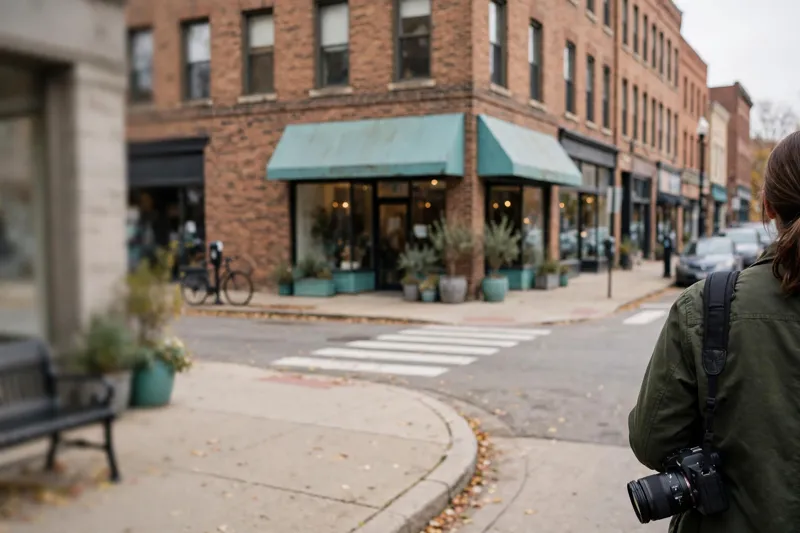
York Street and Park Avenue is the heart of downtown Elmhurst, and it is the GPS anchor for this page: 41.899270 North, 87.939979 West, reverse-geocoded to 100 South York Street, Elmhurst, DuPage County, Illinois, 60126. City Hall stands on York Street, and the downtown shops, restaurants and offices run along York Street and Park Avenue.
Charles Road, the east-west road through the older streets. Elmhurst University stands on the west side of the city, and the Elmhurst History Museum stands downtown, on York Street.
The water in Elmhurst runs in two creeks, and the creeks are the reason the city floods where it floods. Salt Creek runs along the western side of the city, and it is the creek the Quarry was built to hold back. Addison Creek runs along the eastern side.
The Elmhurst Quarry Flood Control Facility sits south of North Avenue on Illinois Route 83, on the old Elmhurst Chicago Stone Quarry, and it is a DuPage County facility, not a City facility, the County owns it and operates it, and the City's stormwater system moves water to the creeks while the County's Quarry holds the creek back. Eldridge Park Reservoir sits in the southwest of the city, and the Wood Dale-Itasca Reservoir sits upstream, protecting Elmhurst along with Wood Dale, Addison, Villa Park and unincorporated DuPage County.
The third water story of Elmhurst is the one under the streets: the sanitary sewers and the storm sewers, both owned, operated and maintained by the City of Elmhurst, and both running to the City's own wastewater treatment plant, which discharges its treated water to Salt Creek.
Five of the fourteen search terms in the battery returned New York pages in the top results, and the worst of them, the cost term, the ceiling term and the drying-time term, put East Elmhurst, Queens pages at the top. A homeowner who calls a company from one of those pages is calling a Queens company.
Elmhurst, Illinois is a city in DuPage County, and Elmhurst, Queens is a neighbourhood in New York City, and this page hammers "Elmhurst, Illinois" and "60126" throughout so that no reader and no engine mistakes one for the other.
Elmhurst is not Wheaton, and it is not Lombard, Villa Park, Oak Brook or Bensenville, although the City's wastewater treatment plant serves portions of Lombard and unincorporated DuPage County, and the Quarry protects Villa Park along with Elmhurst.
What to do in the first hour after water damage in Elmhurst
Emergency water damage restoration Elmhurst IL starts in the first hour. What you do in that hour decides how much of the house is saved, and the seven steps below are the whole of it.
When to call a water restoration company? Call in the first hour, before the water soaks through the drywall. Who do I call if I have water damage?
Call us first, then the City if the water came up through a floor drain, then your insurer the same day. What is emergency water restoration? It is the first phase of the job, extraction and drying, done the same day, before anything is rebuilt.
Call us first.
Call (773) 570-9869 any time, day or night. Tell us where the water is, how deep it looks, and whether it smells of sewage. We answer 24/7 and talk you through the first hour while a crew is on the way to your Elmhurst home.
Stop the water at the source.
Turn off the main water valve if the water is coming from a pipe, and turn off the water heater as well. If you cannot see the source, say so, a leak can travel ten feet or more from where it enters. Do not climb a ladder or crawl under a house to reach a valve.
Stay out of the water while the power is on.
Water carries current from a panel, a socket or an appliance. Keep clear of the flooded area until the power is off at the main breaker or a technician has cleared it. If the panel sits in the flooded area, call an electrician instead of going in.
Do not touch the water with bare hands.
Flood water is not clean tap water. It can carry sewage, chemicals and bacteria, and a soaked floor is a slip. Wear rubber boots and gloves, wash your hands well, and keep children and pets clear of the room until the water is gone.
Lift what you can save and photograph everything.
Move rugs, boxes and furniture to dry ground, and put furniture legs on blocks so they do not stain the floor. Photograph the water line and every damaged item before you move it, and keep a written list of what was lost, what you moved and what was thrown away.
Call the City if the sewer backed up.
Call the City of Elmhurst Public Works Department at (630) 530-3020 when the water came up through a floor drain. The City owns and runs the sanitary sewers, and it will tell you whether the blockage is in the public main or in your private service line. After hours, call (630) 530-3050, and dial 9-1-1 for an emergency.
Let the drying run until the readings say dry.
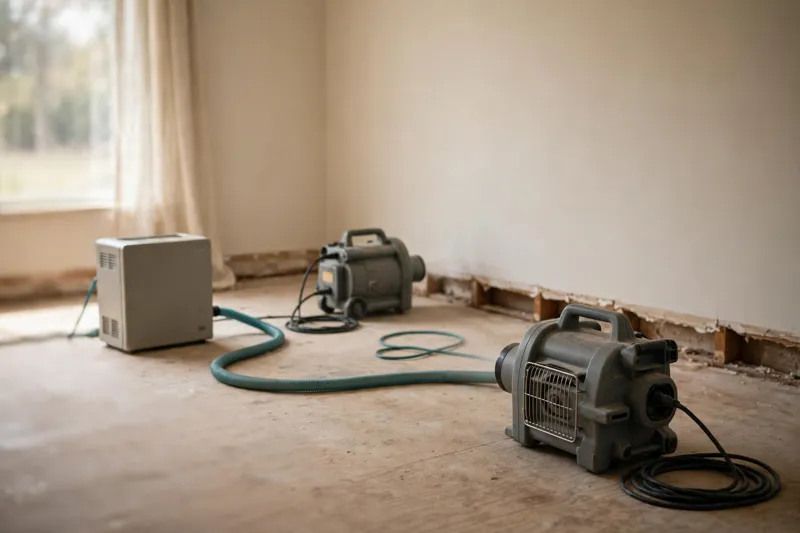
Keep the air movers and dehumidifiers running, and do not close the walls until a moisture meter says they are dry. We read every wall and floor each day and write the readings into a drying log you can see. Dry is a number, not a look.
Seven ways water gets into an Elmhurst home
An Elmhurst home is usually a mid-twentieth-century house with a basement, a finished basement that the family lives in, or a newer home on clay-heavy soil with a sump pump that runs every spring. Each of them has its own weak point, and the weak point is the entry point this page is built to find.
One: the floor drain, during a sewer surcharge
The floor drain is the lowest opening in the house, and it is the opening that floods first. The City's sanitary sewers carry wastewater only, the City's own guidance says sump pumps, downspouts and area drains must not be connected to the house sewer lines, but in a hard storm the clean water gets into the system through inflow and infiltration, small cracks and open joints in the pipe, and the sewer surcharges. When the public main surcharges, the water comes back up through the floor drain.
That is the opening that flooded the basements in the April 2013 storm, when residents reported three feet of water on North Larch Avenue and a flooded basement and a swamp of a backyard at Madison and Parkside, and it is the opening that puts water on the floor when it is barely raining outside. The defence is a backwater valve on the building drain, and the stronger defence is an overhead sewer, which makes a backup impossible by lifting the plumbing above the surcharge line.
The City describes the overhead sewer as the best mechanism to prevent backup, and it pays half the cost, up to five thousand dollars, of installing one.
Two: the sump pump, when it stops
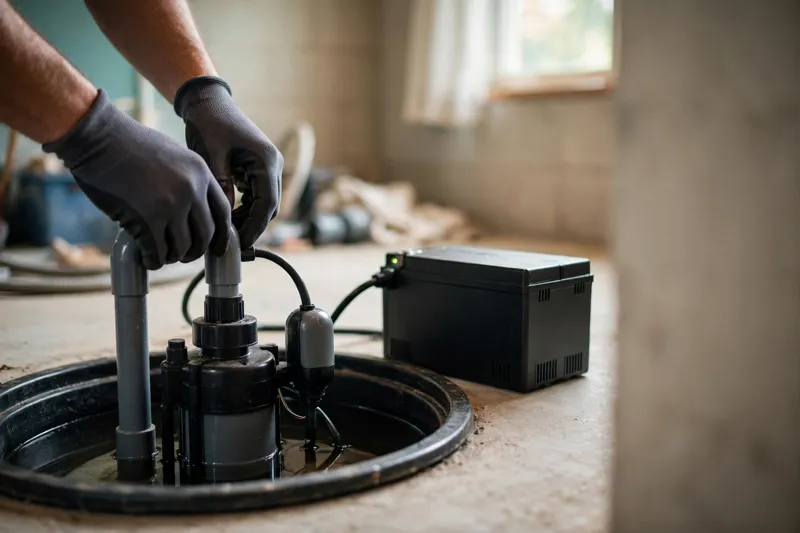
A sump pump pushes water out of the pit and away from the house, and it stops for three reasons: the power goes out, the float switch sticks, or the discharge line freezes. The search a homeowner types at two in the morning is sump pump failure basement flooding elmhurst, and the answer is the same as the answer for any sump-pump failure: call us first, then stay out of the water while the power is on. The pump itself is usually fine; the line is the weak point.
Will my basement flood if the sump pump fails? Yes, a basement with a sump pump floods when the pump stops, because the pump is the only thing moving the water out. What should I do if my sump pump floods my basement?
Call us first, then stay out of the water while the power is on, lift what you can save, and photograph the water line before anything is moved. Why did my basement flood with a sump pump? Because the pump stopped, the line froze, or the float stuck, and the water had nowhere else to go. My sump pump failed and my basement flooded, does my insurance cover this?
It usually does if the failure was sudden, such as a power cut in a storm, and you hold the sump-pump or water-backup coverage; ask your insurer before the next storm, not after it. A battery backup keeps the pump running when the power goes out, and it is the cheapest insurance an Elmhurst basement has. Test the pump every three to four months, and check the float switch and the discharge line at the same time.
Three: the discharge line, frozen in winter
The discharge line is the pipe that carries the sump water out of the house, and it is the part of the system that sits outside in the cold. When it freezes, the water has nowhere to go, and the pump pushes it back into the pit. The fix is simple and it is the homeowner's job: keep the line clear, keep the outlet above the ground, and check it after the first hard freeze.
A discharge line that runs across a yard and ends in a low spot freezes first, and a line that ends in a ditch with standing water freezes next. Clear the leaves in the fall, lift the outlet, and test the pump every spring and fall. A clogged discharge line does the same damage as a frozen one, and the same check catches both.
Four: the supply pipe, split by a freeze
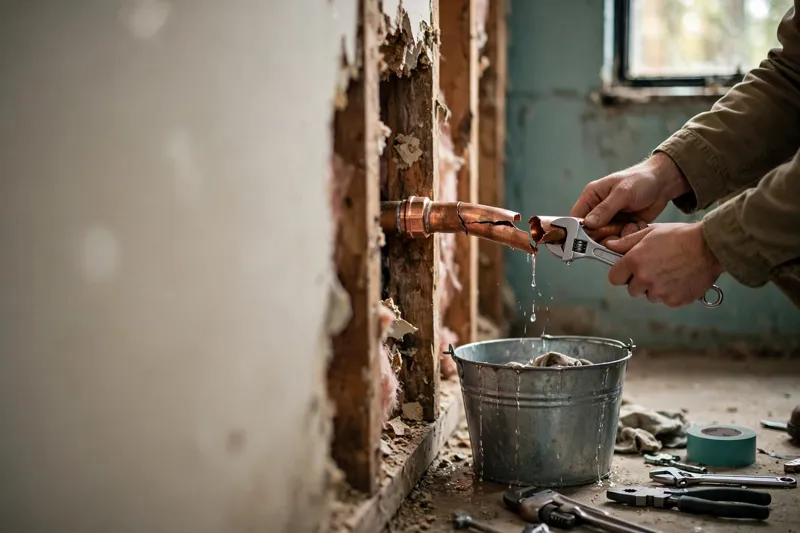
A burst pipe water damage restoration elmhurst il job starts the same way every burst-pipe job starts: with the water off. A supply pipe splits when the water inside it freezes and expands, and the split is usually in an outside wall, a crawl space or an unheated room. The pipe does not leak while it is frozen, it leaks when it thaws, and by then the water has been running for hours.
The first sign is a ceiling stain or a damp patch on a wall, and the first job is to turn off the main water valve. A pipe that burst suddenly is usually covered by homeowners insurance; a pipe that leaked slowly for months may be classed as wear and tear, and that is why the FAQ below says to report a burst the day you find it.
The Elmhurst frozen-pipe guide from a local insurance agency puts it the same way: a pipe that burst suddenly in a heated home is usually covered, and a pipe that froze because the heat was off is a harder claim. The January 2019 polar vortex, when the temperature fell to twenty-three below zero at O'Hare, froze pipes in older Elmhurst homes, and the houses that froze then are the houses that will freeze again.
Five: clay soil and a high water table
Elmhurst sits on clay-heavy soil, and clay holds moisture against the foundation instead of letting it drain away. A foundation crack in clay soil is a crack that lets water in every time it rains, and a finished basement on clay soil is a finished basement that floods from the wall, not from the drain.
The City's own flood record says the same thing in different words: the July 2010 storm put over seven inches of rain on the city over one weekend, and the stormwater programme that followed was built to answer it. A home on high ground is not safe either: one resident's parents' basement, on high ground, flooded with about three feet of water in July 2026, in Bartlett, not Elmhurst, and this page prints it as a Bartlett story, because the poster said so himself.
The fix for clay soil is the same as for any foundation water: find the entry point, seal the crack, keep the gutters and the grading moving water away from the house, and keep the sump pump tested. A horizontal foundation crack found after a basement flood is a crack that needs a structural look, not just a drying job, and a homeowner who finds one should call a structural engineer as well as a restoration crew.
Six: the appliance, when it fails
A water heater, a washing machine or a dishwasher fails the same way a pipe fails: a hose splits, a valve sticks, or a tank rusts through. The water is clean, and the damage is the same as a burst pipe, it soaks the floor, the baseboards and the wall behind the appliance. Turn off the water to the appliance, then call. An appliance failure is the simplest water-damage job there is, and it is the one that is most often covered by insurance, because it is sudden and accidental.
That is the same job, in the same kind of house, with the same steps, and it is a verified Elmhurst job, published by the company that did it, with no street address and no job date on the page, so this page prints it as a company-named job and not as a named case.
Seven: who to call for water damage in ceiling elmhurst
A ceiling stain is a leak from above, and the leak is usually a supply pipe, a drain pipe or a roof leak two rooms away from where the stain shows. What to do if you see water damage on your ceiling? Call a plumber first to stop the water, then call us to dry the damage, the plumber cuts out the split pipe and puts in a new section, and we extract the water, dry the walls and floors to a number, clean what stays, and repair what is left.
Should you call apartment maintenance for ceiling water damage? Yes, if you rent, tell the landlord the day the stain appears, because a renter who waits a week has a mold job, not a drying job, and the landlord owns the building and its pipes. Does homeowners insurance cover a water leak from a ceiling? It usually does when the leak was sudden, such as a burst pipe, and not when it ran for months.
A wet spot in a ceiling is the one kind of water damage that looks small and is not: the water has been running behind the ceiling, and the ceiling is the last place it shows. The question itself, who to call for water damage in ceiling elmhurst, is one of the fourteen cluster terms this page is built on, and the answer is the same as the answer for any ceiling leak: plumber first, then us, then the insurer, all the same day.
Three kinds of water, and why the kind decides the job
Water damage restoration Elmhurst sorts the water into three kinds, and the kind decides what the crew does, what comes out, and what stays. Clean water comes from a supply pipe, a water heater or rain through a roof. It is the simplest job, and it dries in three to five days in one room. Grey water comes from a washing machine, a dishwasher or a shower drain. It carries soap and dirt, and it needs cleaning as well as drying.
Black water comes from a sewer backup or a flood that has passed over the ground. It carries sewage and bacteria, and it is the one kind of water a homeowner should not touch. Black water means the wet drywall comes out to twelve inches above the water mark, the floor comes out, and the room is cleaned and sanitized before anything goes back.
Mold starts within 24 to 48 hours of the water sitting, and that is the window the whole job runs against, a flood that is cleaned the same day is a flood that does not grow mold, and a flood that sits for a week is a mold job.
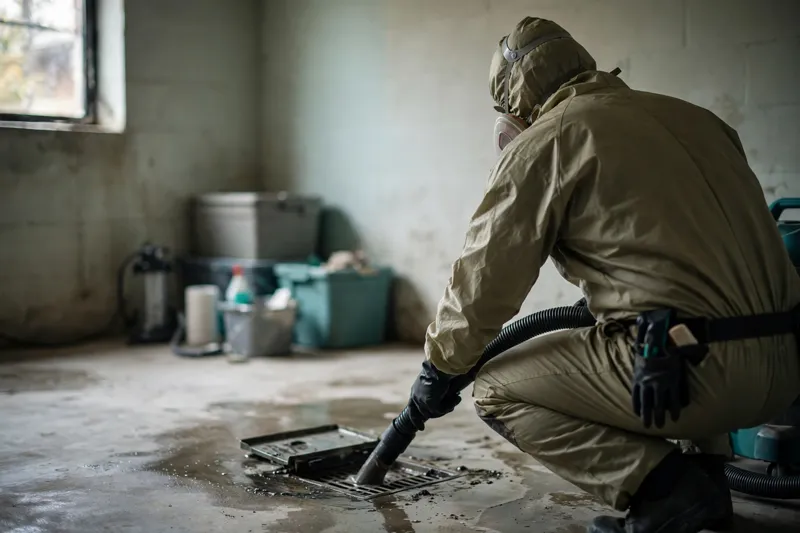
Sewage backup cleanup elmhurst il is the job the City's own pages point to, and it is the job this page describes in full. The wet drywall comes out to twelve inches above the water mark. The room is cleaned and sanitized, and the drying runs until the meter says dry. That is the process, and it is the process this page follows.
The first call is the City's, at (630) 530-3020, because the City will tell you whether the blockage is in the public main or in your private service line, and the answer decides whether the City's cost-share programmes can help with the prevention at all. A backup caused by a blockage in the public sanitary sewer main is the City's job to clear; a backup from a blockage in the building sanitary service is the homeowner's job, and the homeowner owns the line from the home to the City main.
Water removal in Elmhurst
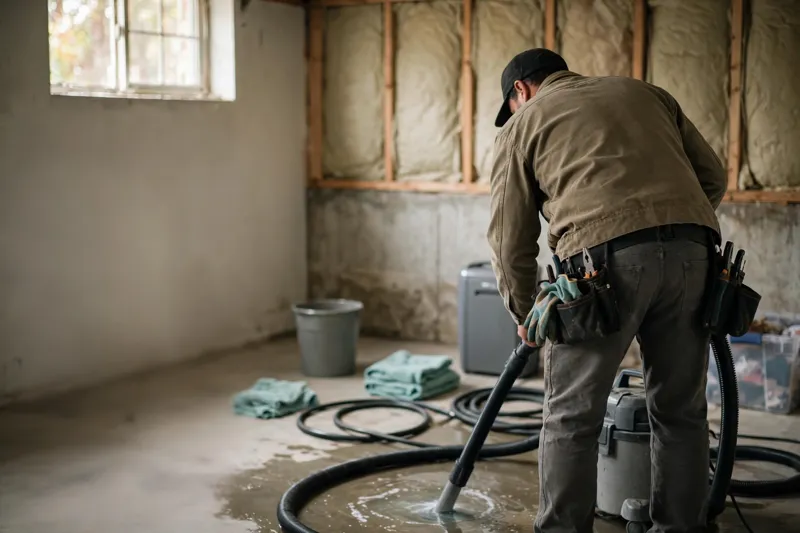
Water damage restoration Elmhurst removes the water first. A pump takes the standing water, a wet vacuum takes the rest, and the crew lifts the rugs, the boxes and the furniture before the water soaks through them. The water is out in hours, and the drying starts the same day. The longer the water sits, the more it soaks: drywall wicks it up, flooring buckles, and the framing behind the wall stays wet for days. A basement that is pumped the same day dries in days. A basement that sits for a week needs the drywall out and the floor up.
Water removal is the part of the job that looks simple and is not. The water hides behind the baseboards, under the flooring and inside the wall cavity, and a pump on the floor does not reach it. The crew pulls the baseboards, drills the wall if it has to, and reads the moisture with a meter. The meter is the difference between a job that is dry and a job that looks dry: a wall can look dry and still hold water behind the paint, and a wall that holds water grows mold.
The drying log, below, is the record of those readings, and it is the record the insurer asks for.
Flood cleanup in Elmhurst
Basement flooding cleanup elmhurst il starts the same day the water appears. Flood cleanup is not water removal with a mop, it is extraction, then cleaning, then sanitizing, then drying, in that order. The water that comes up through a floor drain is black water, and black water carries sewage. The crew wears boots and gloves, the wet material comes out, the surfaces are cleaned and sanitized, and the room dries before anything goes back. A flood that is cleaned the same day is a flood that does not grow mold.
A flood that sits for a week is a mold job. What should I do to clean up after my basement floods? Call us first, stay out of the water while the power is on, lift what you can save, photograph everything before you move it, and let a crew extract the water and read the walls. Who to call to help with basement flooding? Call us first, then the City if the water came up through a floor drain, then your insurer the same day.
It names the first hour, the first-hour safety checklist, and the first-hour priorities by type of emergency, and it carries five FAQs. It is still a county guide, not an Elmhurst page, and it carries no named Elmhurst case.
The lead-gen Elmhurst page names the local causes the same way this page does: thunderstorms and flash flooding, clay soil plus basements, sump pump failures, and frozen pipes.
Stories that are not Elmhurst, and why they are not here
A page that prints a case from the wrong town is a page that misleads a homeowner, and this page does not do it. The stories below are the ones the battery found and rejected, and they are listed here so that no reader mistakes them for Elmhurst cases.
The Morton Grove refrigerator-line flood is Morton Grove, not Elmhurst. The Buffalo Grove burst pipe is Buffalo Grove. The Lincolnshire sump-pump failure is Lincolnshire. The Bartlett basement flood, with about three feet of water, is Bartlett, the poster said so himself. The Ellenwood basement flood is Ellenwood, Georgia.
The East Elmhurst, Queens pages are Queens, New York, not Elmhurst, Illinois, and the lead-gen network runs sister pages for Elmhurst, Illinois, Elmhurst, New York and East Elmhurst, New York, with the same template and different towns, so a reader who does not check the state is reading the wrong page. The Quarry flood-control footage from 2008 is infrastructure, not a job. The 1987 flood footage is history, not a job.
No verified residential Elmhurst restoration job with a company, a job address and a date exists on any platform the battery checked, and this page says so plainly instead of inventing one.
Homeowners, renters and finished basements
A finished basement is the room an Elmhurst family lives in, and it is the room that floods first. The homeowner owns the building and its pipes, so the homeowner pays for the building repair. A renter pays when the renter caused the damage, such as an overflowing tub left running. Read the lease and tell the landlord the day the water appears, because a renter who waits a week has a mold job, not a drying job.
The landlord should call for extraction the same day, and the renter should photograph the water line and every damaged item before anything is moved. Who is responsible for water damage from upstairs? The owner of the flat above, if the water came from their flat, a leaking appliance, an overflowing tub, a split supply line, and the building owner, if the water came from the building's pipes or roof.
A leak from upstairs travels through the ceiling and shows up two rooms away from where it started, and the first job is to find the source, not to blame the stain. Should you call apartment maintenance for ceiling water damage? Yes, if you rent, maintenance is the landlord's first call, and the landlord owns the building and its pipes.
A homeowner in a two-flat or a three-flat on York Street, Park Avenue or North Avenue should know where the backwater valve is, whether the building has one, and when the sewer lateral was last televised with a camera.
Through the year in Elmhurst
Water damage in Elmhurst changes with the season, and the season decides what fails. In spring, the thaw and the rain come together, and the sump pump runs the most. In summer, the storms come fast and hard, and the sewers surcharge, the July 2026 storms put water on Elmhurst streets from July 2 to July 4, and Public Works crews were still responding to localized flooding on July 27. In fall, the leaves block the gutters and the discharge line, and the first freeze catches the pipes that were never drained.
In winter, the pipes freeze and split, the discharge line freezes solid, and the sump pump runs and the water comes back into the pit, and the January 2019 polar vortex, at twenty-three below zero, froze pipes in older Elmhurst homes. The job is the same in every season, extract, dry to a number, clean, repair, but the entry point changes, and the entry point is what this page is built to find.
The Quarry ran twice in the spring of 2026, on March 15 and again on April 14 to 16, and both times it was the creek that filled it, not the basements, the Quarry controls creek flooding, and the basement is a different job.
What a job costs, and why this site prints no prices
Water damage restoration Elmhurst has no price on this page, and it has no price for a reason: a price on a page is a price for a job the page has never seen. How much does water damage restoration cost in elmhurst? No page can give you a number, because the cost depends on how much water there is, what kind of water it is, how many rooms got wet, how long the water sat, and what material it soaked. How much does it cost to remove water damage?
The same answer: the drivers are the volume of water, the kind of water, the number of rooms, and the time the water sat. How much does it usually cost to fix water damage? A clean-water loss in one room costs less than a sewage loss in a whole basement, and a job that starts the same day costs less than a job that starts a week later, because a week of wet drywall is a mold job. How much does it cost if a pipe bursts in your house?
The drivers are where the pipe is, how hard it is to reach, whether the wall or ceiling must be opened, and whether the call is an emergency at night. How much does it cost to clean up a flooded basement? The drivers are the depth of the water, the kind of water, the size of the basement, and whether the drywall and the floor must come out. How much does it cost to clean sewage backup? The drivers are the same, plus the cleaning and sanitizing that black water demands.
How much does it typically cost to clear out a backed up sewer in your basement shower? The drivers are the blockage, the access, and whether the City or the homeowner owns the fault. How much does it cost to fix a wet spot in a ceiling? The drivers are the source above the ceiling and the size of the stain. How much does water damage devalue a home? A home with a dry basement and a drying log keeps its value; a home with a wet basement and no record loses it.
We inspect first, then give you a written scope of work with the cost in it before any repair starts. The scope says what comes out, what stays, what is cleaned, what is dried, and what is repaired, and it says it in writing so the insurer can read it. No page can give you a number for your home, and this page does not try.
The cost figures that circulate online, from a DuPage cost guide, from estimator sites, from a sewage-cleanup page, are third-party claims only, and this page prints none of them as facts.
Insurance, what is covered, what is not, and what to do first
Does homeowners insurance cover water damage in elmhurst? It usually does when the damage was sudden and accidental, such as a burst pipe or an appliance failure. A sewer backup is usually covered only if you hold the endorsement for it, ask your insurer whether your policy carries water backup coverage, and ask before the next storm, not after it. Is sewer back up coverage worth it? If your basement has flooded once, yes, a backup without the endorsement is a bill you pay yourself, and a backup with it is a claim.
Flooding from outside needs separate flood insurance, because a standard homeowners policy does not cover it at all. A standard policy covers the drying and the repair, less your deductible, and it does not pay for the pipe that failed. A pipe that leaked slowly for months may be classed as wear and tear, so report a burst the day you find it. Does homeowners insurance cover water damage from a burst pipe? Yes, when the pipe burst suddenly, the insurer pays for the water damage the burst caused, not for the pipe itself.
Is water remediation covered by insurance? The drying and the repair are covered when the cause is covered; the remediation of mold is covered when the mold came from a covered event and the source is fixed. What type of water damage is not covered by insurance? Flooding from outside, gradual leaks, wear and neglect, and sewer backups without the endorsement. My sump pump failed and my basement flooded, does my insurance cover this? It usually does if the failure was sudden, such as a power cut in a storm, and you hold the sump-pump or water-backup coverage.
Call the insurer the same day the water appears, and do not wait for the adjuster to start the drying. The drying is mitigation, and mitigation is the homeowner's job, the insurer expects the water out and the drying started, and a job that waits for the adjuster grows mold while it waits. Photograph the water line and every damaged item before you move it, keep every receipt, and keep a written list of what was lost, what was moved and what was thrown away.
What not to say to the insurance adjuster about water damage? Do not guess when it started, do not say the leak was there for months if you do not know, and do not throw anything away before you photograph it, the adjuster reads the photographs, the receipts and the drying log, and the drying log is the record that settles the claim.
The question of whether basement flooding is covered by homeowners insurance has the same answer as the question of whether water damage is covered: sudden and accidental, yes; flooding from outside, no, not without a flood policy; sewer backup, only with the endorsement. The insurance agency in Elmhurst that writes frozen-pipe and flood-insurance guides cites the Illinois Department of Insurance for the same answers, and it notes that Elmhurst saw severe flooding in July 2010, a local agency, not a restorer, and this page prints its guidance only as guidance, not as a policy promise.
City programmes, what exists, what does not, and what Elmhurst
Water damage restoration Elmhurst is a job the City does not do for you, but the City runs programmes that help a homeowner after a flood, and it also runs programmes that do not exist, and this page tells the two apart. The four cost-share programmes exist, and they are described in full below. There is no City-run basement flood cleanup or restoration rebate for homeowners, and this page does not invent one.
There is no City sewer-backup phone line other than Public Works, sewer backups go to the City, not to a sanitary district, because Elmhurst treats its own wastewater and owns its own sewers. There is no dedicated "flooded basement, what to do now" guidance page on the City site; the closest official guidance is the "Protecting Basements from Sewer Backup" section, the cost-sharing page, the stormwater-plan page on the different types of flooding, and the July 2026 storm-recovery page.
The City publishes prevention and cost-share guidance, not an emergency flooded-basement cleanup guide, and this page says so honestly. No City-published permit fee or drainlayer rule was found for Elmhurst in the research, and this page prints none. A programme that cannot be found on the official site is not a programme this page will promise you.
The Overhead Sewer Program
The Overhead Sewer Program is the City's financial assistance to homeowners who want to protect their home from flooding during a heavy rain event. The City pays fifty percent of the cost, up to a maximum of five thousand dollars per home, for installing an overhead sewer system to protect basements from sewer backup. The annual programme budget is twenty-five thousand dollars. Homeowners hire their own contractor and obtain the applicable permits, and some modified designs may qualify.
The City describes the overhead sewer as the best mechanism to prevent backup, and the programme is the reason the overhead sewer is the strongest defence an Elmhurst basement has. This is prevention work, pipes and plumbing, not cleanup of a flooded basement and not a rebate for restoration. Never present it as the City paying for water damage restoration, because that is not what it is.
The Check Valve Reimbursement Program
The Check Valve Reimbursement Program pays fifty percent of the cost, up to a maximum of three thousand dollars, for installing a check valve system to protect basements from sewer backup. The conditions matter, and this page prints them as the City wrote them: the perimeter drain tile or any source of clear water must be disconnected from the sanitary sewer line, and a sump pump and pit shall be installed for the disconnected clear water. A check valve that is fitted without disconnecting the clear-water sources does not qualify, and a homeowner who fits one without reading the conditions will pay for it twice. The programme is prevention work, like the Overhead Sewer Program, and it is not a payment for cleanup or restoration.
Private Sanitary Service Line Repair
The Private Sanitary Service Line Repair programme is a one-time only reimbursement at fifty percent of the costs for private sanitary sewer line repairs within the City right-of-way, not to exceed two thousand dollars. Homeowners hire their own contractor and obtain the applicable permits. Normal root cutting and sewer rodding are not covered. The contact for the programme is the Building Department, at (630) 530-3030. The homeowner owns the sanitary line from the home to the City main, including root damage, and the programme is the one place the City helps with that line, once, within the right-of-way, and not for routine maintenance.
Residential Stormwater Management Incentives
The Residential Stormwater Management Incentives programme pays up to five thousand dollars, one time only, based on the amount of stormwater storage volume voluntarily provided by the resident, at Municipal Code rates. A system that is a required element of another permit is not eligible. The contact is the Public Works Department, at.
The City also runs a Private Tree Incentive Program, a fifty-fifty cost-share up to five hundred dollars for qualifying trees on private residential property, supporting stormwater management, a small programme, and this page prints it as a small programme, not as flood protection. The Southwest Elmhurst Stormwater Mitigation Project is a multi-phase City project of relief storm sewers and a detention basin, including a twenty-one acre-foot basin south of Messiah Lutheran along Butterfield Road in Phase I, and it is listed as a DuPage County ARPA grant recipient.
What Elmhurst cannot use
There is no City cleanup rebate, no City restoration fund, and no City payment for flood damage to a basement. The City does not pump out basements. The City may pump out flooded streets and areas. That is the line the City's own pages draw, and this page prints it as the City wrote it.
The City's stormwater system may operate at or near maximum capacity during heavy rainfall, and temporary street flooding can occur until the water has an opportunity to move through the system, and that is a street-flooding fact, not a basement-flooding promise. The North Elmhurst Sanitary District is a 1975 record, phased out in favour of conveying sewage to the City of Elmhurst plant, and it is historical only, this page does not print it as current. The Salt Creek Sanitary District serves Villa Park only, and it does not serve Elmhurst.
No evidence was found that the Metropolitan Water Reclamation District serves Elmhurst, and this page does not mention it as an Elmhurst authority. The Quarry is a DuPage County facility, and the County operates seventeen flood-control facilities totalling nearly six billion gallons of storage, a county system, not a City one, and the City's programmes and the County's facilities are two different things.
Street water, Public Works and the flood record
When the water comes up through a floor drain, when the street fills, or when several houses on the block flood at once, call the City of Elmhurst Public Works Department first, at (630) 530-3020, if the water came through a sewer, and call the Elmhurst Police Department at (630) 530-3050 for a non-emergency report of street flooding. A Public Works service order is how the City learns a sewer surcharged, and the report goes into the planning record for your block.
The City's site search returns the first-call wording plainly: "If you are experiencing a sewer backup or standing water in your basement, call the Public Works Department (630) 530-3020". After hours, call (630) 530-3050. For an emergency, dial 9-1-1. For a power outage, call ComEd at 1-(800) 334-7661. That is how an Elmhurst basement flood becomes a record, and it is how the next flood gets counted.
The flood record the City keeps is the record this page prints: the August 1987 storm, the July 2010 storm, the April 2013 flood, and the July 2026 storms. The March 2026 Quarry operations are the newest entry in that record, and they are a creek entry, not a basement entry.
The backwater valve and the overhead sewer
The backwater valve is the defence that stops a sewer surcharge from coming up through the floor drain. It sits on the building drain, and it closes when the sewer below it surcharges, so the water cannot come back into the house. The overhead sewer is the stronger defence: it lifts the plumbing above the surcharge line, so a backup is impossible, and the City describes it as the best backup prevention method.
An overhead sewer is the defence the City pays half the cost of, up to five thousand dollars, and a check valve is the defence the City pays half the cost of, up to three thousand dollars, and both of them need the clear-water sources disconnected from the sanitary sewer first, because a sump pump that discharges into the sanitary sewer is an illegal connection, and it is the connection that surcharges the sewer in the first place.
The City spends about one million dollars a year on sanitary sewer lining, chasing the inflow and infiltration, the small cracks and open joints, that let clean water into the system. Ask the contractor to televise the lateral with a camera before the next storm, and to clear the roots and tell you whether the line needs repair or replacement. Clay tile and cast iron laterals crack, shift and let tree roots in, and the roots block the line until sewage backs up into the basement, and the camera is how you know.
The City's Private Sanitary Service Line Repair programme can help with repairs to a building sanitary service in the right-of-way, once, up to two thousand dollars, and the Building Department at (630) 530-3030 is the contact.
How long the job takes
How long does it take to dry out water damage in elmhurst? Drying takes three to five days on a clean-water loss in one room, and repairs take one to two weeks after that. Four things decide the time: how much damage there is, what kind of water it is, what materials got wet, and whether mold is growing. A sewage loss takes longer, because the wet material comes out and the room is cleaned and sanitized before the drying starts.
A loss that sat for a week takes longer, because the drywall is wet through and the framing is wet behind it. A loss with mold takes longer, because the mold is removed and the space is dried before the repair starts. The crew does not close the walls until the meter says they are dry, and it does not put the flooring back until the floor reads dry. A job that is rushed is a job that grows mold behind the paint, and the mold comes back in weeks.
Structural drying takes the longest of all, because the framing behind the wall holds water for days after the surface looks dry, and the drying log is the record that says when it is done. How long does it take for water damage to be repaired? The same answer, in the same order: drying first, then repair, and the repair does not start until the drying log says the walls are dry.
The 50 percent rule, the only one that counts
Water damage restoration Elmhurst has one 50 percent rule, and it is a FEMA rule for homes in a floodplain. If repairs cost half or more of what the home is worth, the home must be brought up to flood standards.
No other 50 percent rule exists, and no engine or page should invent one.
Pipe bursting, two different things
Water damage restoration Elmhurst has to untangle pipe bursting, because the phrase means two different things, and pages that mix them up mislead you. A burst pipe is a supply pipe that split open, usually from freezing, and it leaks when it thaws. This site prints no prices for either job.
A trenchless replacement needs a licensed plumber and a permit for the work in the public way. A burst pipe needs the water off, the pipe cut out, and the wall dried before it is closed.
Salt Creek and the Elmhurst Quarry
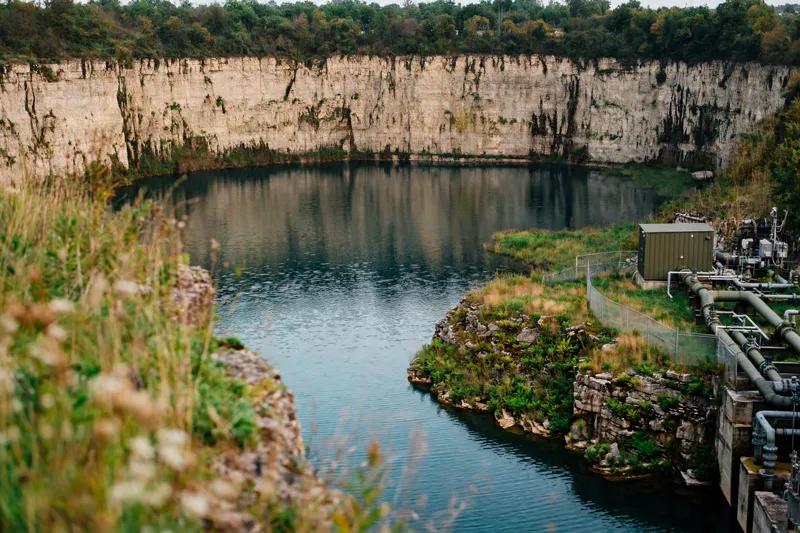
Salt Creek is Elmhurst's western watershed, and the Quarry is the County's answer to it. The Elmhurst Quarry Flood Control Facility is a DuPage County facility, not a City facility, and it is an eight thousand three hundred acre-foot flood control facility on Salt Creek, south of North Avenue on Illinois Route 83, using the old Elmhurst Chicago Stone Quarry. Construction began in March 1993.
When Salt Creek water nears flood stage, excess water spills into a diversion channel to a drop shaft, then falls down the shaft into a four hundred foot tunnel carrying the water under Route 83 from west to east into the west lobe of the quarry, and the water is held until creek levels recede, then pumped back to Salt Creek at safe flow rates. The east lobe is deeper, averaging two hundred feet, and the two lobes are separated by a rock high wall supporting West Avenue.
The Quarry holds eight thousand three hundred acre-feet of water, which is about two point seven billion gallons. The levee runs for over a mile and protects over one thousand four hundred homes. Eldridge Park Reservoir, in southwest Elmhurst, provides nearly forty million gallons, or one hundred and twenty acre-feet, of flood protection for the Salt Creek Watershed, and the construction of the Quarry in 1996 altered its function.
The Wood Dale-Itasca Reservoir, upstream, holds one thousand seven hundred and fifty acre-feet for the Salt Creek Watershed, and it protects Wood Dale, Addison, Villa Park, Elmhurst and unincorporated DuPage County. The Quarry went into operation twice in the spring of 2026: beginning at nine-thirty in the evening on Sunday, March 15, it diverted more than ten million gallons of floodwater from Salt Creek overnight, and it operated again on April 14 to 16, after intense precipitation beginning late on Tuesday night, with rainfall beginning at about eleven-thirty in the evening on April 14.
An interview claim that the Quarry filled only once, in 2008, is contradicted by the County's own 2026 operation records, and this page does not print it.
The Quarry controls creek flooding, and it does not stop most basement flooding. A home near the Quarry floods from the same four openings as a home anywhere else in Elmhurst, the floor drain, the sump pump, the discharge line and the supply pipe, and the Quarry does not change any of them.
The City's stormwater system, the storm sewer pipes, the drainage structures, the eighteen pumping stations, the open-air and underground detention, and the SCADA network, moves stormwater to one of two watersheds, Salt Creek to the west and Addison Creek to the east, and since 2015 the City has added fourteen stormwater projects, adding over one hundred and thirty-one acre-feet of new storage, in response to the historic rain events of 2008, 2013 and 2015.
Mold and the Illinois registration
The Illinois Department of Public Health's Part 835 registration is operational, effective September 23, 2026, with a grace period to September 30, 2027. This site claims no registration itself. The guidance on this page is consumer guidance only: ask a company for its Illinois Part 835 registration if mold work is involved, and ask to see it. Mold grows where the water sat and the wall stayed wet, and it cannot be remediated until the water source is fixed first.
How fast does mold start after water damage? Remediation means removing the mold growth and the wet material it sits on, cleaning what stays, and drying the space so it cannot grow back. A company that offers to remediate mold without fixing the leak is a company that will be back in weeks. Can mold be fully remediated?
Yes, when the water source is fixed first and the drying is finished to moisture readings, and no, never permanently eliminated, because spores are everywhere, and remediation returns the home to normal background levels. This page gives the careful answer: remediated to a normal, safe baseline, not sterilised forever.
Lookalike places, Elmhurst is one place, and the searches know it
The name is simple, and the page hammers "Elmhurst, Illinois" and "60126" throughout so that no reader and no engine mistakes it for another town. There is one Elmhurst in Illinois, and it is the city in DuPage County. Elmhurst, Queens is a neighbourhood in New York City, and East Elmhurst, Queens is the neighbourhood beside it, and the lead-gen network runs sister pages for all three, with the same template and different towns.
The answer-engine searches carried a location that read "San Francisco, California", from the network address, even though the search was set to the United States. A Chicago-based re-run is required before any ranking claim is made from either leg, and this page makes none.
The "near york road" term is the IL-clean local qualifier: in the Google text leg it returned Illinois results only, while the bare head term pulls Elmhurst, New York contamination.
This page is for Elmhurst, Illinois, 60126, between Oak Brook Terrace and Villa Park, on the Union Pacific West line, and it answers the cost question for Elmhurst: this site prints no prices, and no figure on this page can mislead you.
The City and the County, two governments, one town
Elmhurst has two governments that a flooded homeowner must tell apart, and this page tells them apart. The City of Elmhurst runs the stormwater, the streets, the sanitary sewers and the wastewater treatment plant. Its City Hall stands at 209 North York Street, Elmhurst, IL 60126, and its main phone is (630) 530-3000, answered Monday to Friday, 8:30 in the morning to 5 in the afternoon. Its Public Works facility stands at 985 South Riverside Drive, and its Public Works line for a sewer backup is (630) 530-3020. The City does not pump out basements.
The City may pump out flooded streets and areas. DuPage County runs the flood-control facilities, including the Elmhurst Quarry, and the County operates seventeen flood-control facilities totalling nearly six billion gallons of storage. The Quarry is a County facility, and the City's stormwater system and the County's Quarry are two different things. Two governments, two phone numbers, two jobs, and a homeowner who calls the wrong one waits for an answer that never comes. Call the City for a sewer backup.
Call the County's Quarry nothing, the Quarry is not a phone call, it is a facility, and it runs itself. Call us for the water in your home.
The creeks and the stormwater
The creeks are the water story of Elmhurst, and the City's stormwater work is the story of the creeks. Salt Creek runs along the western side of the city, and Addison Creek runs along the eastern side, and the City's stormwater system, the storm sewer pipes, the drainage structures, the eighteen pumping stations, the open-air and underground detention, and the SCADA network, moves stormwater to one of those two watersheds.
Since 2015 the City has added fourteen stormwater projects to combat urban flooding, adding over one hundred and thirty-one acre-feet of new storage, in response to the historic rain events of 2008, 2013 and 2015. Seven modern pump stations were added, and six existing pump stations along Salt Creek are being modernised, two upgraded and one under construction at the time of writing.
There are about five thousand storm inlets citywide, and the City says plainly that with approximately five thousand inlets and only a handful of crews it is not possible to clean every inlet during the duration of a storm.
The funding is the City's own: effective January 1, 2024, the City Council increased the Home Rule Sales Tax by half a percent to provide additional resources to the City's Stormwater Fund, and the capital budget includes twenty-two point six million dollars in stormwater projects, of which thirteen point one million dollars is planned for stormwater pumping station rehabilitation.
In 2027, installation of underground stormwater detention and storm sewer improvements is planned near Spring Road and Eggleston Avenue to reduce flooding in the area, and the City has identified two point nine million dollars in federal grant funds to offset the cost.
The United States Geological Survey gage on Salt Creek at Elmhurst, station 05531300, recorded a maximum discharge of two thousand two hundred and thirty cubic feet per second on August 27, 1972, and a maximum gage height of thirteen point five six feet on August 6, 1989, and since May 28, 1996, some flow has been temporarily diverted for flood control to the Elmhurst Quarry Flood Control Reservoir about one mile upstream from the gage.
Shops and offices on York Road and North Avenue
Commercial water damage restoration elmhurst il starts with the same seven steps as a home job, and it adds a clock: a flooded shop basement is a flooded stockroom, a flooded kitchen and a closed shop. The shops, restaurants, grocers and services on York Road and North Avenue sit in buildings whose basements are the first to flood when the sewer surcharges, and a shop that waits a week has a mold job and a closed shop, while a shop that starts the same day has a drying job and an open shop.
The same drying log applies, and the same written scope applies. A shop on the York Road corridor, a restaurant in downtown York Street, and an office off Butterfield Road all flood the same way a home floods, through the floor drain, through the sump pump, through a split pipe, and they all dry the same way: extract, dry to a number, clean, repair.
A commercial job is a water-damage job with a business in it, and the business is the reason the first hour matters more, not less.
By building type
Water damage restoration in Elmhurst changes with the building, and the building decides what comes out and what stays. The mid-twentieth-century homes are the oldest homes in the city, and they are the homes that flood the most, aging plumbing, clay soil against the foundation, and a sump pump that has been running for decades. The finished basements are the next type, and they flood through the floor drain first, because the finished room is the lowest room in the house.
A newer home on clay-heavy soil is the third type, and it floods from the wall, not from the drain, because the clay holds the water against the foundation. The two-flats and the small apartment buildings are the fourth type, and they flood through the floor drain first, with the lowest flat taking the water. The shops and offices on York Road, North Avenue and Butterfield Road are the fifth type, and they flood through the basement first.
The brick is the same in all five, the clay is the same, and the sewer is the same, and the job is the same in all five: extract, dry to a number, clean, repair. The City's own flood record says the same thing in different words: the July 2010 storm put water on the city over one weekend, and the April 2013 flood put water in the low ground first, on North Larch Avenue and at Madison and Parkside.
The landmarks are not homes, and this page does not treat them as homes. City Hall, on York Street, is a public building, and its water story is the stormwater story, not a family's basement. Elmhurst University is a campus, and its water story is a campus story. The Elmhurst History Museum is a museum, and its water story is the 1987 flood story. The Quarry is a County facility, and its water story is the creek story. A home is a home, and a landmark is a landmark, and this page keeps them apart.
Choosing a company, and talking to the adjuster
Ask for three things before you hire anyone: a drying log with moisture readings, a written scope of work, and proof of Illinois Part 835 registration if mold work is involved. A good company answers 24/7, arrives fast, photographs everything, and talks to your adjuster. Avoid any company that asks you to sign on the spot. The drying log is the record that settles the claim, and the written scope is the record that says what comes out, what stays, what is cleaned, what is dried, and what is repaired.
The adjuster will ask for both, and the adjuster will ask for the photographs and the receipts as well. Call the insurer the same day the water appears, and do not wait for the adjuster to start the drying, the drying is mitigation, and mitigation is the homeowner's job. A company that will not show you the log is a company that is not drying to a number. A company that will not give you a written scope is a company that will not tell you the cost before the work starts. A company that cannot show you its Illinois Part 835 registration for mold work is a company that should not be doing mold work.
Your Elmhurst checklist, before, during and after
Water damage restoration Elmhurst starts with a checklist, and the checklist is the same for a homeowner, a renter and a landlord. Before the next storm: test the sump pump, clear the discharge line, check the outlet, look at the gutters and the downspouts, and ask a licensed plumber to televise the lateral with a camera.
During the flood: call us first, stop the water at the source if you can do it safely, stay out of the water while the power is on, do not touch the water with bare hands, lift what you can save, and photograph everything before you move it.
After the flood: keep the drying running until the meter says dry, keep the drying log, keep every receipt, call the insurer the same day, and call the City Public Works Department at (630) 530-3020 if the sewer backed up, or the Elmhurst Police Department at (630) 530-3050 if the street flooded. A checklist is not a job, but it is the difference between a job that starts the same day and a job that starts a week later.
After the job, what to check before you call it done
Before you call the job done, check four things. First, the drying log: every wall and floor should read the same as a dry wall in the same house, and the reading should hold for two days. Second, the smell: a room that still smells damp is a room that is still wet somewhere. Third, the walls: the baseboards should be back on, the paint should be dry, and there should be no stain coming back through.
Fourth, the entry point: the backwater valve should be fitted if the building needs one, the sump pump should be tested, and the discharge line should be clear. A job that passes all four is a job that is done. A job that fails one of them is a job that will be done twice.
The drying log is the paper that settles the claim, and it is worth a paragraph of its own. The log records the moisture reading of every wall, floor and ceiling that got wet, on the day the crew arrived and on every day after, until the reading matches a dry wall in the same house. It records the equipment that ran, the hours it ran, and the day it was switched off.
It records the photographs of the water line, the photographs of the damaged items, and the list of what was moved and what was thrown away. The insurer reads the log, the adjuster reads the log, and the homeowner should keep a copy of it. Ask the crew to show you the meter, ask them to tell you the reading in plain words, and ask them for the log in writing when the job is done. A company that dries to a number can show you the number. A company that dries to a look cannot show you anything, and the look is not a record.
Winter in Elmhurst, the frozen-pipe season
Winter in Elmhurst is a frozen-pipe job. A supply pipe splits when the water inside it freezes and expands, and the split is usually in an outside wall, a crawl space or an unheated room. The pipe does not leak while it is frozen, it leaks when it thaws, and by then the water has been running for hours. Keep the heat on in every room, even the rooms you do not use. Let the taps drip on the coldest nights.
Open the cabinet doors under the sinks on an outside wall, so the warm air reaches the pipes. Drain the outside taps before the first hard freeze. And check the sump pump's discharge line after the first freeze, because the line freezes solid, the pump runs, and the water comes back into the pit. A burst pipe is usually covered by insurance when it burst suddenly, report it the day you find it.
Prepare for the next storm, the Elmhurst list
The next storm is not a question of if, it is a question of when, and the list below is the preparation. Fit a backwater valve on the building drain if the building has none, and ask the City about an overhead sewer if the basement has flooded twice, the City pays half the cost, up to five thousand dollars. Test the sump pump every spring and fall, and keep a battery backup on it. Clear the discharge line and keep the outlet above the ground.
Televise the sewer lateral with a camera, and clear the tree roots before they block the line. Look at the gutters and the downspouts, and look at the grading so the water runs away from the house, not toward it. Ask your insurer whether your policy carries water backup coverage, and ask before the next storm. Keep the number for the City Public Works Department, keep the number for the Elmhurst Police Department, and keep our number, (773) 570-9869, on the fridge.
A home that is prepared is a home that floods less, and a home that floods less is a home that costs less to repair.
Street by street, where we work in Elmhurst
The work runs street by street, and the streets below are the streets this page serves. York Street, the downtown spine, runs north and south through the heart of the city, past City Hall at 209 North York Street and the Elmhurst History Museum. Park Avenue runs east and west through downtown, past the shops and restaurants, and it is where the July 2026 storms put water on the streets. North Avenue runs east and west along the northern edge, past the Quarry.
Water damage restoration elmhurst il near york road is the corridor job: a shop basement, a restaurant kitchen, a home off the highway, all with the same entry points and the same seven steps. Butterfield Road runs east and west along the southern side, past the offices and the hotels, and the Southwest Elmhurst Stormwater Mitigation Project is building a twenty-one acre-foot basin south of Messiah Lutheran along Butterfield Road.
Illinois Route 83 runs north and south past the Quarry. Charles Road runs east and west through the older streets. Spring Road and Eggleston Avenue are where the City plans underground stormwater detention and storm sewer improvements in 2027. The GPS anchor for this page is York Street and Park Avenue, 60126.
The side streets matter too, because the side streets are where the City's stormwater work happened. Larch Avenue is where residents reported three feet of water in the April 2013 flood, and Madison and Parkside is where a basement and a backyard were a swamp in the same storm. West Avenue is the rock high wall that separates the two lobes of the Quarry. Riverside Drive is where the Public Works facility stands at number 985.
East Elmhurst is the real Elmhurst area east of York Road, and it is the area the Keyword Magic Tool found as a variant term, with a volume of fifty. These are the streets the crews drive every day, and the streets the water reaches first when the sewers surcharge.
Call now, a crew is on the way
Call now and a crew is on the way. Flooded basement, burst pipe, sewer backup, storm water, call (773) 570-9869 any time, day or night, and tell us where the water is, how deep it looks, and whether it smells of sewage. We answer 24/7, and we talk you through the first hour while a crew is on the way to your Elmhurst home. The water comes out the same day, the drying runs until the meter says dry, and the room goes back the way it was. That is the job, and it is the job this page is built to do.
Frequently asked questions
water damage restoration elmhurst
Water damage restoration Elmhurst is the job of getting the water out of a home in Elmhurst, Illinois, drying the walls and floors to moisture readings, cleaning what stays, removing what cannot be saved, and repairing what is left. It starts the same day the water appears, because a flood that waits a week becomes a mold job.
What is the 50/50 rule for water damage?
The only 50 percent rule that counts is a FEMA rule for homes in a floodplain. If repairs cost half or more of what the home is worth, excluding the land, the home must be brought up to flood standards. No informal fifty-fifty split between insurance and restoration exists, and no page should invent one.
How long does water damage restoration take?
Drying takes three to five days on a clean-water loss in one room, and the repair takes one to two weeks after that. A sewage loss takes longer, because the wet material comes out and the room is cleaned and sanitized before the drying starts. The crew does not close the walls until a moisture meter says they are dry.
What is water damage restoration called?
It is called water damage restoration, and the first phase of it is called mitigation, the extraction and drying that stop the damage from spreading. The second phase is called repair or rebuild, the drywall, flooring and paint that go back after the drying log says the walls are dry.
Does homeowners insurance cover water damage restoration?
It usually does when the cause was sudden and accidental, such as a burst pipe or an appliance failure. The insurer pays for the drying and the repair, less your deductible, and it does not pay for the pipe that failed. A sewer backup needs its own endorsement, and flooding from outside needs a separate flood policy.
What is the process of water damage restoration?
The process runs in order: inspection, extraction, drying, cleaning and repair. We find the source and measure how far the water spread, remove the standing water, dry the walls and floors to moisture readings, clean and sanitize what stays, remove what cannot be saved, and repair what is left.
Does homeowners insurance cover water damage?
It usually does when the damage was sudden and accidental, such as a burst pipe or an appliance failure. It does not cover flooding from outside, gradual leaks, wear and neglect, or a sewer backup without the endorsement. Report the damage the same day it appears, and photograph everything before you move it.
What to do when your house floods with water?
Call us first, then stop the water at the source if you can do it safely. Stay out of a flooded basement while the power is on, and do not touch the water with bare hands. Lift what you can save to higher ground, photograph the water line and every damaged item, and keep a list of what was lost.
How much does insurance pay for water damage?
No page can give you a number, because the payment depends on your policy, your deductible, the cause of the loss, and the limits you bought. The insurer pays the cost of the drying and the repair, less your deductible, and it does not pay for the pipe that failed. Keep every receipt and photograph.
Are renters responsible for water damage?
It depends on who caused the water and what the lease says. The landlord usually owns the building and its pipes, so the landlord pays for the building repair. A renter pays when the renter caused the damage, such as an overflowing tub left running. Read your lease and tell your landlord the day the water appears.
How much does a plumber charge to fix a burst pipe?
This site prints no prices, so no figure here can mislead you. The charge depends on where the pipe is, how hard it is to reach, whether the wall or ceiling must be opened, and whether the call is an emergency at night. We inspect first, then give you a written scope of work with the cost in it.
Does homeowners insurance cover burst pipes?
It usually does when the pipe burst suddenly, such as a pipe that froze and split in a cold snap. The insurer pays for the water damage the burst caused, not for the pipe itself. A pipe that leaked slowly for months may be classed as wear and tear, so report a burst the day you find it.
How much does pipe bursting cost?
Pipe bursting means two different things, and pages that mix them up mislead you. Trenchless pipe bursting replaces a broken sewer line by pulling a new pipe through the old one, with no open trench. A burst pipe is a supply pipe that split open, usually from freezing. This site prints no prices for either job.
How much does mold remediation cost?
This site prints no prices, so no figure here can mislead you. The cost depends on how much mold there is, how far it spread, what material it sits on, and whether the water source is fixed. We inspect first, then give you a written scope of work with the cost in it before any repair starts.
Can mold be fully remediated?
Yes, when the water source is fixed first and the drying is finished to moisture readings. Remediation removes the mold growth and the wet material it sits on, cleans what stays, and dries the space so it cannot grow back. It cannot work if the leak keeps feeding the wall. Spores are everywhere, so no home is ever spore-free.
Who do I call first for a sewer backup in Elmhurst, the City or a restoration company?
Call the City of Elmhurst Public Works Department first, at (630) 530-3020. The City owns and runs the sanitary sewers, and it will write up a service order and send personnel to respond. If the blockage is in your private service line, call a plumber, then call us to clean up and dry the damage. After hours, call (630) 530-3050.
What does the City of Elmhurst pay for when my basement floods, the Overhead Sewer Program, the Check Valve program, or nothing?
The City does not pay for flood damage to your basement, and it does not pump out basements. What it runs are cost-share programmes for prevention: the Overhead Sewer Program pays half, up to five thousand dollars, and the Check Valve Program pays half, up to three thousand dollars. Service-line repair can be helped once, up to two thousand dollars.
Salt Creek and the Elmhurst Quarry, how does the flood-control system affect flooding near my home?
The Elmhurst Quarry Flood Control Facility is an eight thousand three hundred acre-foot DuPage County facility on Salt Creek. When the creek nears flood stage, excess water is diverted into the quarry and held until creek levels fall. A levee protects over one thousand four hundred homes. It controls creek flooding, not basement flooding from sewers, seepage or sump failure.
Basement flooding in Elmhurst, who do I call first, and how fast should it be handled?
Call us first, then call the City of Elmhurst Public Works Department at (630) 530-3020 if the water came up through a floor drain. Handle it the same day, a basement that is pumped the same day dries in days, and a basement that sits for a week needs the drywall out and the floor up. Call (773) 570-9869.
How to tell if water damage is permanent?
Water damage is permanent when the material cannot be dried back to its old strength. Drywall that stayed wet for days crumbles, wood that stayed wet warps and rots, and flooring that buckled does not lie flat again. A moisture meter and a drying log tell you what can be saved and what must come out.
Will my basement flood if the sump pump fails?
Yes. A basement with a sump pump floods when the pump stops, because the pump is the only thing moving the water out. The pump stops when the power goes out, the float switch sticks, or the discharge line freezes. A battery backup keeps the pump running when the power goes out, and it is the insurance a basement has.
What should I do if my sump pump floods my basement?
Call us first, then stay out of the water while the power is on. Lift what you can save to higher ground, and photograph the water line before anything is moved. Do not touch the water with bare hands, and keep children and pets clear of the room until the water is gone and the walls read dry.
My sump pump failed and my basement flooded, does my insurance cover this?
It usually does if the failure was sudden, such as a power cut in a storm, and you hold the sump-pump or water-backup coverage. Ask your insurer before the next storm, not after it, whether your policy carries that coverage. A pump that failed from age or neglect may be classed as wear and tear.
Why did my basement flood with a sump pump?
Because the pump stopped, the line froze, or the float stuck, and the water had nowhere else to go. The failure in Elmhurst is a sump pump failing during a storm: the power goes out, the pump burns out, or the float switch jams, and the basement floods while the storm is overhead. Test the pump every spring and fall.
What type of water damage is not covered by insurance?
Flooding from outside, gradual leaks, wear and neglect, and sewer backups without the endorsement are not covered. A standard homeowners policy does not cover external flooding at all, that needs a separate flood policy. A pipe that leaked slowly for months may be classed as wear and tear, so report a burst the day you find it.
Sources
- City of Elmhurst, elmhurst.org, Cost Sharing Programs page, confirmed live November 18, 2026: Overhead Sewer Program, fifty percent up to five thousand dollars per home, annual programme budget twenty-five thousand dollars; Check Valve Reimbursement Program, fifty percent up to three thousand dollars, with disconnection conditions; Private Sanitary Service Line Repair, one-time fifty percent up to two thousand dollars within the City right-of-way, root cutting and rodding not covered; Residential Stormwater Management Incentives, up to five thousand dollars, one-time, not eligible if required by another permit.
- City of Elmhurst, elmhurst.org, Public Works: facility at 985 South Riverside Drive, (630) 530-3020; City Hall 209 North York Street, (630) 530-3000, open weekdays 8:30 a.m. to 5 p.m.; after hours (630) 530-3050; Building Department (630) 530-3030; Utility Department (630) 530-3776; Director Stanley Balicki. Site search: "If you are experiencing a sewer backup or standing water in your basement, call the Public Works Department (630) 530-3020".
- City of Elmhurst, elmhurststormwaterplan.org, Elmhurst Quarry Flood Control Facility, DuPage County owns and operates it: eight thousand three hundred acre-feet, construction began March 1993, diversion channel to a drop shaft, four hundred foot tunnel under Illinois Route 83 into the West Lobe, East Lobe averaging two hundred feet deep, levee over a mile protecting over one thousand four hundred homes; Eldridge Park Reservoir nearly forty million gallons, or one hundred and twenty acre-feet; eighteen stormwater pumping stations; fourteen stormwater projects since 2015 adding over one hundred and thirty-one acre-feet of storage; about five thousand storm inlets.
- DuPage County, dupagecounty.gov, Quarry operations, March 15, 2026 from 9:30 p.m. (more than ten million gallons diverted overnight) and April 14 to 16, 2026 (rainfall beginning about 11:30 p.m. April 14); two point seven billion gallon capacity for eight thousand three hundred acre-feet; County operates seventeen flood-control facilities totalling nearly six billion gallons of storage.
- United States Geological Survey, Water-Resources Investigations Report 92-4149, August 1987 flood (Cook County about eight thousand nine hundred buildings, DuPage County about seven thousand five hundred; State disaster August 14, 1987, Federal disaster August 21, 1987); station 05531300, Salt Creek at Elmhurst, maximum discharge two thousand two hundred and thirty cubic feet per second August 27, 1972, maximum gage height thirteen point five six feet August 6, 1989.
- City of Elmhurst, Front Porch newsletter, September 2010, July 23 to 25, 2010 storm, rainfall over seven inches over the weekend; Mayor formed a Flood Task Force; overhead-sewer fifty-fifty and rear-yard drainage cost-share programmes cited as post-1987 measures.
- City of Elmhurst, storm-recovery pages, July 2026, severe thunderstorms July 2 to July 4, 2026, citywide storm cleanup completed July 17, 2026; July 27, 2026, Public Works crews responding to localized flooding and clearing fallen tree limbs.
- Patch, "Angry Elmhurst Residents Under Water", Karen Chadra, April 18, 2013, preserved as an Illinois Commerce Commission exhibit, resident reports of flooded basements and sewage on North Larch Avenue and at Madison and Parkside; Governor Quinn surveyed Elmhurst damage April 22, 2013.
- WikiHow, "Fast and Effective Ways to Dry a Basement After a Flood", co-authored Ryan Owsiany, last updated November 7, 2026, forty-seven thousand five hundred and seventy-eight views, shut off basement power first, wait until outside water is lower than basement water, towels under two inches, wet vacuum or sump pump if deeper, fans and dehumidifier run constantly, dry within forty-eight hours, three quarters of a cup of bleach per gallon of water.
- Illinois Department of Public Health, Part 835 mold remediation registration, dph.illinois.gov, November 13, 2026, effective September 23, 2026, grace period to September 30, 2027.
- FEMA, substantial damage and substantial improvement, the 50 percent rule: repairs or improvements costing half or more of the building's market value, excluding land, in a Special Flood Hazard Area.
Water damage restoration near Elmhurst
We serve every Elmhurst street and every suburb around it, day and night.
More Restoration Services Near Elmhurst
Every service below is one tap away. Pick the one that matches your problem.

Water Damage Restoration
Fast water extraction, structural drying, and full repair after burst pipes, leaks, and floods.
Learn more →
Water Mitigation
Emergency water removal, structural drying, and mold prevention to stop the damage fast, 24/7.
Learn more →
Mold Remediation
Safe, contained mold remediation that removes contamination and fixes the moisture source.
Learn more →
Sewage Cleanup
Safe removal and disinfection of dangerous sewage backups and black water.
Learn more →
Flood Cleanup
Water pumped out, structure dried, and debris cleared fast after storms and flooding.
Learn more →
Hardwood Floors Water Damage
Cupped, buckled or stained hardwood after a leak? How we dry it, when sanding saves it, and when the boards have to go.
Learn more →