
Chicago, IL · A flood coverage guide for homeowners
What Does Flood Insurance Cover in Chicago
The water came in through the basement, or over the back step, or up through the floor drain, and the first question is not how to dry it. The first question is whether a flood policy pays for it at all, and if it does, how much of it. This guide answers that question the Chicago way: the federal policy, the basement rules, the sewer-backup trap, and the one Chicago court case that shows what happens when the two are confused.
- The federal flood policy, in plain words, building cover, contents cover, and the caps
- The basement table: what is covered downstairs, and what is not
- Flood, sewer backup, or seepage, the decision table that draws the line
- The 50% rule, the 80% rule, and the sixty-day claim deadline
Written for Chicago homeowners, the bungalows, the two-flats, and the finished basements.
- We answer 24/7
- Local Chicago team
- Insurance documentation help
- Straight answers, no pressure
Have a question? Call us any time
Flood water in your home, and a claim to file: send the form and we will call you back. Fast response, no obligation.
The short answer: a flood policy pays for flood water
A flood policy pays when the water meets the policy definition of a flood: water that covers at least two acres of normally dry land, or that affects two or more properties, one of which is yours. It pays for the building and the contents, not for a sewer backup, seepage, or a finished basement.
None of the fourteen answers named our site, and none of them mentioned Chicago by name except one Chicago insurance agency page and the Sun-Times piece on Cook County. The location on the results was New York, not Chicago, so the Chicago angle in this guide is not something the search results handed us.
The most questions on any page is five, on two insurance agency pages. This page carries twenty-eight questions and seven steps, and it is the first Chicago version written from the water damage side: what happens to the home, what the policy pays for, and what the homeowner should demand before the walls are closed.
| Kind of loss | Covered by a flood policy | Covered by a homeowners policy |
|---|---|---|
| Rising water from outside | Yes, when it meets the flood definition | No |
| Burst pipe or appliance leak | No | Yes, when sudden and accidental |
| Sewer backup | Only when caused by a qualifying flood | Only with a water-backup endorsement |
| Groundwater seepage through a wall | No, unless during a qualifying flood | No |
| Finished basement living space | No | No |
The table is the whole page in one place. The sections that follow explain each row: the federal policy that backs it, the basement split, the decision table, and the court case that shows what happens when the water is called by the wrong name.
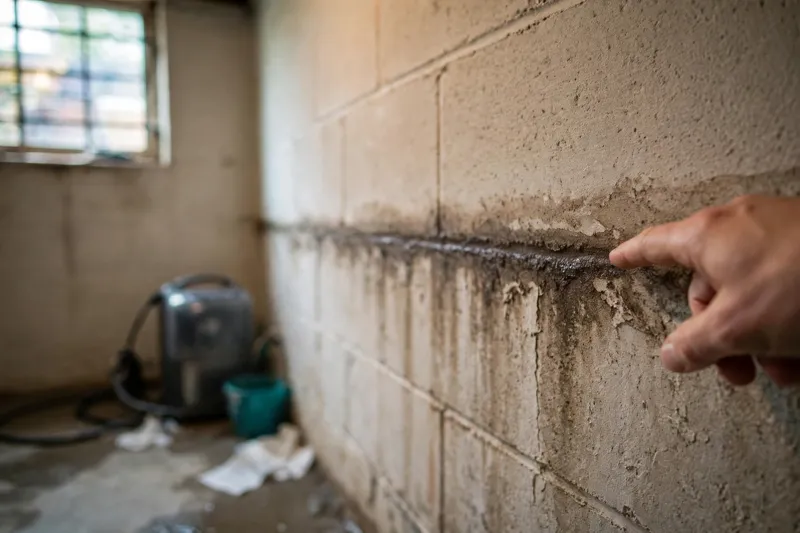
What does flood insurance cover under the NFIP
The first question any Chicago homeowner asks is what does flood insurance cover, and the answer starts with the definition of a flood itself. The federal policy does not cover every wet floor. It covers a flood, and a flood has a definition in the policy: water that covers at least two acres of normally dry land, or water that affects two or more properties, one of which is yours.
One home with a wet basement after a heavy rain is not a flood under that definition unless the water also covered the land around it or reached a second property. Two homes on the same block with water in both basements, from the same storm, is a flood. The definition is the reason a homeowner can stand in ankle-deep water in a basement and still hear that the loss is not a flood, and the reason the same water, one street over, is.
The NFIP flood insurance coverage most Chicago homeowners buy is the standard policy, run by FEMA through the National Flood Insurance Program and sold through private insurers and agents. The policy has two coverages, and they are bought separately. Building cover pays for the structure: the foundation, the walls, the floors, the roof, the built-in appliances, the furnace, the water heater, and the electrical system. Contents cover pays for the belongings: the furniture, the clothing, the electronics, the appliances that are not built in, and the things in the drawers.
Each coverage has its own cap and its own deductible, and the two do not share. A homeowner who buys building cover only has no cover for the furniture, and a homeowner who buys contents cover only has no cover for the walls.
The two coverages pay on different bases, and the difference matters at claim time. Building cover pays at replacement cost: what it costs to rebuild or repair the structure with materials of the same kind and quality, without deducting for age. Contents cover pays at actual cash value: what the item is worth today, after depreciation. A ten-year-old sofa is paid at its value today, not at the price of a new sofa. A ten-year-old furnace is paid at the cost of a new furnace of the same kind. The distinction is the reason the inventory matters: the adjuster prices the building from the structure and the contents from the list, and the list is the document the homeowner builds.
The policy also sets the waiting period, and the waiting period is the part of the answer that surprises people most. A standard flood policy does not take effect the day it is bought. It takes effect thirty days after the application and the payment, and a loss in those thirty days is not covered. The exception is a mortgage closing: a policy bought at closing takes effect at once. The rule is the reason a homeowner who buys cover the week the river rises has bought nothing for that storm, and the reason the right time to buy it is the dry month, not the wet one.
The federal policy is standardized, which means the cover is the same whoever sells it. The insurer that sells the policy does not write its own terms; it sells the federal terms, and the price follows the federal rating. A private flood policy is different: a private carrier writes its own terms, sets its own caps, and can cover the things the federal policy excludes, temporary living expenses, replacement-cost contents, a finished basement. The comparison table later in this page sets the two side by side, and the private policy is the answer for the homeowner whose basement is finished and whose living expenses matter.
Three more facts belong in the core, because every national guide states them and every Chicago homeowner asks them. First, the policy covers mudflow, and it covers the collapse of land along a shore as a result of erosion caused by waves or water currents exceeding the anticipated cyclical levels. Second, the policy covers the cost of removing debris, and the cost of pumping out trapped water. Third, the policy does not cover a loss caused by the homeowner's own failure to take reasonable care, a home left open to the rain, a known leak left unrepaired for months, a basement the owner never dried after an earlier flood. The policy covers the flood, not the neglect that made the flood worse.

The caps, the exclusions, and the thirty-day wait
The caps are the part of the answer to what does flood insurance cover that surprises Chicago homeowners most: the building cap and the contents cap are separate, and the contents cap is the smaller of the two. The flood insurance coverage limits are set by the federal program for the standard policy, and they are the same for every homeowner who buys that policy. A residential policy carries a building cap and a separate contents cap. A commercial policy carries a higher building cap and a higher contents cap.
A private policy, and an excess policy bought on top of the federal one, can go above the federal caps. The caps are a structure, not a number on this page, this site prints no prices, and the point that matters is the shape: two caps, not one, and the contents cap is the one that runs out first in a furnished home.
The building cap pays for the structure and the fixed equipment: the foundation, the walls, the floors, the roof, the built-in appliances, the furnace, the water heater, the central air equipment, the electrical panel, and the plumbing. The contents cap pays for the belongings: the furniture, the clothing, the electronics, the portable appliances, and the things in the drawers and the closets. The two caps are spent separately, and a loss that destroys both the structure and the belongings draws on both.
A homeowner who insures the building for the full cap and the contents for a small amount will find the contents cap gone after one room, while the building cap still has room. The agent who sells the policy should ask what is in the rooms, not only what the rooms are made of.
The exclusions are the second half of the caps, and they are longer than most homeowners expect. Temporary living expenses are not covered: no hotel, no rent elsewhere, no meals out, while the home is uninhabitable. That is one of the sharpest differences from a homeowners policy, which does pay additional living expenses after a covered loss. Vehicles are not covered. Outdoor property is not covered: swimming pools, decks, patios, fences, landscaping, wells, and septic systems. Business interruption is not covered. Currency and valuable papers are not covered. And mold or mildew the owner could have avoided, by drying the home after an earlier loss, by fixing a known leak, is not covered. The policy covers the flood, not the months of neglect that followed an earlier flood.
The exclusions have a logic, and the logic is worth stating once. The federal policy is a policy for the building and the belongings inside it, against water that comes from outside in a flood. It is not a policy for the yard, the car, the business, or the hotel. The yard and the car have their own policies, the business has its own policy, and the hotel is the homeowner's own cost while the home is repaired. A private flood policy can cover some of these, temporary living expenses, replacement-cost contents, a finished basement, and the table below sets the two policies side by side so the homeowner can see what the private policy adds.
| Cover | Federal policy (NFIP) | Private flood policy |
|---|---|---|
| Building | Yes, at replacement cost, up to the federal building cap | Yes, often above the federal cap |
| Contents | Yes, at actual cash value, up to the federal contents cap | Often at replacement cost |
| Basement living space | No | Sometimes, by endorsement |
| Temporary living expenses | No | Often yes |
| Waiting period | Thirty days, except at mortgage closing | Often shorter, sometimes none |
| Terms | Standardized, the same for every buyer | Set by the carrier, varies by policy |
The table is the comparison every national guide makes, and the Chicago point is the basement row. A Chicago home with a finished basement and a family living in it is the home the federal policy fits worst, because the finished living space is the part the policy excludes. The private policy is the answer for that home, or the answer is to accept the federal policy and know, before the storm, that the finished basement is self-insured. Either answer is better than the one most Chicago homeowners give, which is to discover the exclusion after the water is already in the room.
The waiting period deserves its own paragraph, because it is the exclusion that catches the most people. A standard federal policy takes effect thirty days after the application and the payment. A loss in those thirty days is not covered, and no phone call shortens the wait. The exception is a mortgage closing, where a policy bought at closing takes effect at once. A private policy often has a shorter wait, and some have none at all, which is one more reason to compare the two before the storm season, not during it. The right time to buy flood cover is the dry month. The wrong time is the week the river rises, when the thirty days have not yet run and the water is already at the door.
The basement: what is covered, what is not
Searches for what does flood insurance cover basement return the same short answer on every page: the structure and the equipment, not the finished room. The federal policy covers a basement, but it covers it narrowly. The basement is the part of the home where the federal policy draws its sharpest line, and it is the part of the home that floods most often in Chicago. A Chicago basement is not a crawl space that nobody enters. It is the laundry room, the furnace room, the storage room, the playroom, the second living room, and the bedroom that the family added when the house ran out of space upstairs. The policy treats it as a basement anyway.
What is covered in a basement, under the federal policy, is the structure and the essential equipment. The furnace is covered. The water heater is covered. The central air equipment is covered. The sump pump is covered. The electrical panel and the breaker box are covered. The fuel tank is covered. The foundation walls are covered. The attached stairways are covered. Unfinished drywall is covered. And the cleanup is covered: pumping out trapped water, removing the cleaning solutions used to clean the water, and the structural drying of the salvageable foundation elements. The contents items connected to a power source are covered too: the clothes washer, the dryer, the window or portable air conditioner, and the food freezer with the food inside it.
What is not covered in a basement is the finished living space and almost everything in it. Finished walls are not covered. Finished flooring and carpet are not covered. Furniture is not covered. Televisions and computers are not covered. Clothing and stored belongings are not covered. Bathroom fixtures and built-ins are not covered. Generators are not covered. Standalone dehumidifiers are not covered. The finished room itself, the room the family watches television in, the room the children sleep in, is not covered, because the federal policy does not insure finished living space below ground level. The line is drawn by the level, not by the use: a room below ground level is a basement, whatever the family calls it.
| In a basement | Covered | Not covered |
|---|---|---|
| Structure | Foundation walls, attached stairways, unfinished drywall | Finished walls, finished flooring, carpet |
| Equipment | Furnace, water heater, central air, sump pump, electrical panel, fuel tank | Generators, standalone dehumidifiers |
| Contents | Washer, dryer, air conditioner, food freezer with food inside | Furniture, TVs, computers, clothing, stored belongings |
| Fixtures | None below ground level beyond the equipment above | Bathroom fixtures, built-ins |
| Cleanup | Pumping out water, removing cleaning solutions, structural drying | , |
FloodSmart lists the building and contents items, but not the basement split. NerdWallet lists the exclusions, but not the basement split. Hicks discusses the basement limits, but in prose. The table above is the page's own, and it is the table a Chicago homeowner should read before the basement is finished, not after it floods. A basement finished with the policy in mind, unfinished walls where the water comes, the equipment raised off the floor, the belongings kept out of the lowest room, is a basement that survives a flood with its cover intact. A basement finished without the policy in mind is a basement the homeowner rebuilds at their own expense.
The Chicago reason the basement matters more here than anywhere else is the way Chicago basements flood. The city runs on combined sewers, which carry storm water and sewage in the same pipe, and a heavy rain can overwhelm the storm sewers and push water back through the floor drain, the laundry sink, and the basement toilet. The water that comes up through the floor drain is not a river overflowing its banks. It is the city's own system, backing up into the lowest room in the house. Whether the federal policy covers it depends on whether the backup was caused by a qualifying flood, and the decision table in the next section draws that line, with the Chicago court case that shows what happens when the two are confused.
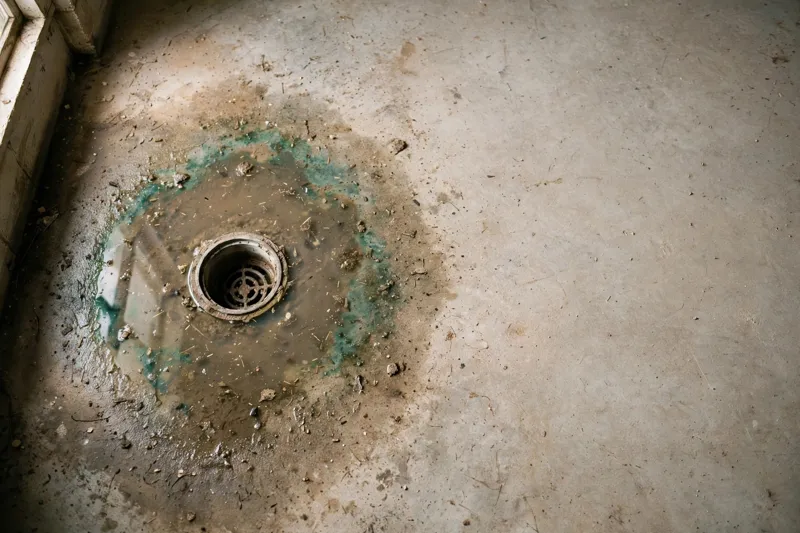
Flood, sewer backup, or seepage: the decision table
The table below is the decision version of what does flood insurance cover: flood, sewer backup, and seepage, side by side. Three kinds of water enter a Chicago basement, and they look the same on the floor. They are not the same to the policy. The first is flood water: rising or surface water entering the home from outside, from overflowing rivers, heavy rain that ponds against the house, or a storm surge. The second is a sewer backup: wastewater coming up through drains, pipes, or a sump pump. The third is seepage: groundwater coming through a wall or a floor, slowly, without a storm. The policy covers the first, sometimes covers the second, and almost never covers the third.
| Kind of water | What it is | Flood policy | Homeowners policy |
|---|---|---|---|
| Flood | Rising or surface water from outside, meeting the flood definition | Yes | No |
| Sewer backup | Wastewater backing up through drains, pipes, or a sump pump | Only when directly caused by a qualifying flood | Only with a water-backup endorsement |
| Seepage | Groundwater through a wall or floor, or a slow leak | No, unless during a qualifying flood that directly causes it | No, a maintenance issue |
| Burst pipe | Sudden internal water from a failed pipe or appliance | No | Yes, when sudden and accidental |
The sewer backup row is the one that causes the arguments, and the rule is worth stating in full. A flood policy covers a sewer backup only when the backup was directly caused by a qualifying flood, when the flood water itself forced the sewage back through the drains. A backup caused by a blocked pipe, a broken line, a failed sump pump, or a city sewer that surcharged without a qualifying flood is not covered by the flood policy.
It is covered, if at all, by the water-backup endorsement on the homeowners policy, which is a separate endorsement the homeowner must buy. The endorsement has its own cap, and the cap is usually small. A homeowner who has never bought the endorsement has no cover for a backup at all, from either policy.
The seepage row is the one that causes the disappointment. Groundwater coming through a basement wall, or up through a floor crack, after a heavy rain, is not a flood under the policy definition, and it is not covered by a homeowners policy either, because it is a maintenance issue: the waterproofing, the grading, the drain tile, the sump pump. The exception is narrow: seepage that occurs during a qualifying flood, and is directly caused by that flood, can be covered. A wall that has leaked in every heavy rain for five years is not a flood loss. A wall that leaked for the first time during a flood that covered two acres and reached two properties can be.
The Chicago part of the decision table is the city's own system. Chicago runs on combined sewers, and a heavy rain can overwhelm the storm sewers and push water back into the lowest rooms in the house. When the break is in the sewer line under the public way, under the sidewalk, the parkway, or the street, the City of Chicago repairs it at no cost to the owner, through the Private Sewer Drain Program, after the owner hires a licensed sewer contractor to rod and video-inspect the line.
The program starts with a call to CHI 311, which answers twenty-four hours a day, seven days a week, three hundred and sixty-five days a year. The program repairs the pipe. It does not pay for the water damage inside the home. That is the policy's job, and the policy's job depends on which row of the table the water falls in.
The Lapa case, told in full later in this page, is what happens when the rows are confused. A bookstore owner in Chicago lost his basement to water that came up through the sewers during a storm, and the court held the loss was a sewer backup caused by an accumulation of surface water, a flood, and therefore excluded by the endorsement on his commercial policy, which stated in plain words that it was not flood insurance. The endorsement said what it said, the court read what it said, and the claim failed. The lesson is the table: know which row the water is in before the storm, buy the endorsement that covers that row, and read the endorsement before the claim.
Flood insurance vs homeowners insurance: the two policies
Flood insurance vs homeowners insurance is the comparison every Chicago homeowner asks for first, and the answer is that the two policies cover different water. A homeowners policy covers sudden internal water: a burst pipe, a failed water heater, an appliance hose that gave way, wind-driven rain through storm-damaged roofing. A flood policy covers rising water from outside that meets the policy definition of a flood. The two policies do not overlap, and they do not replace each other. A home with only a homeowners policy has no cover for a flood. A home with only a flood policy has no cover for a burst pipe.
The homeowners policy covers more than water. It covers fire, theft, wind, and liability, and it pays additional living expenses while the home is unlivable after a covered loss. It covers the building and the belongings, and it covers the cost of living elsewhere while the repairs are done. The flood policy covers the building and the belongings against flood water only, and it does not pay additional living expenses at all. The two policies are built for different risks, and the homeowner who holds both holds a home that is covered against the water from inside and the water from outside.
The homeowners policy excludes the flood entirely. Rising water from outside, overflowing rivers, heavy rain that ponds against the house, storm surge, is excluded from every standard homeowners policy, in Chicago and everywhere else. It also excludes a sewer backup unless the homeowner buys the water-backup endorsement, and it excludes groundwater seepage, wear and tear, and a slow leak that ran for months. The exclusions are the reason the flood policy exists: the water the homeowners policy will not touch is the water the flood policy is written for.
The endorsements are where the two policies meet. The water-backup endorsement on the homeowners policy covers a sewer backup up to its own cap, and the cap is usually small. The flood policy covers a backup only when it was directly caused by a qualifying flood. A homeowner who has both, the flood policy and the endorsement, has cover for a backup from either direction. A homeowner who has neither has no cover for a backup at all. The endorsement is cheap next to the flood policy, and it is the first thing an agent should ask about in a Chicago basement home.
| Kind of loss | Homeowners policy | Flood policy |
|---|---|---|
| Burst pipe, appliance leak | Yes, when sudden and accidental | No |
| Rising water from outside | No | Yes, when it meets the flood definition |
| Wind-driven rain through storm damage | Yes | No |
| Sewer backup | Only with a water-backup endorsement | Only when caused by a qualifying flood |
| Groundwater seepage | No | No, unless during a qualifying flood |
| Fire, theft, wind, liability | Yes | No |
| Temporary living expenses | Yes, after a covered loss | No |
The table is the comparison in one place, and the storm row is the one that matters most in Chicago. A storm that brings wind, rain, and a backup brings three claims to two policies, and the homeowner who files one claim for all three will hear that two of them belong to another policy. The site's homeowners-coverage blog answers the homeowners side of this comparison in full, and this page keeps the homeowners side supporting: the flood side is the story here, and the homeowners side is the contrast that makes it clear.
The last point in the comparison is the one the search engines ask most often: the price of the two policies, and which one a homeowner needs first. This site prints no prices, so no figure here can mislead you. The order is the answer: the homeowners policy first, because it covers the fire, the theft, the wind, and the burst pipe, the losses that happen every year. The flood policy second, because it covers the loss that happens once in a decade and ruins the home when it does. A homeowner with both is covered against the water from inside and the water from outside, and a homeowner with only one is covered against half the water in Chicago.
The 50% rule and the 80% rule
The 50% rule
The 50% rule is the part of what does flood insurance cover that decides whether a repaired home must meet the current floodplain rules. When the cost of repairing or improving a building reaches at least half the market value of the structure before the damage, the land excluded, the building counts as substantially damaged, or substantially improved. A substantially damaged building must be brought up to the current floodplain rules, which can mean raising it, floodproofing it, or rebuilding it to the current standard. The rule is the reason a cheap repair after a big flood can turn into a rebuild: the repair itself, once it crosses half the value, triggers the standard.
The rule matters in Chicago in a specific way. Chicago homes are old, and old homes in the floodplain have low market values relative to the cost of repairing them, because the repair costs what it costs and the value is what the market says. A bungalow with a market value that has not kept up with construction costs can cross the fifty-percent line on a repair that would not cross it in a newer suburb. The homeowner who knows the rule before the flood can plan for it: the elevation, the floodproofing, the conversation with the city about what the current rules require. The homeowner who learns it after the flood learns it from the adjuster, when the estimate is already written.
The 80% rule
The 80% rule is the part of what does flood insurance cover that decides how much of a loss the policy pays at replacement cost. Insure the home for at least eighty percent of its replacement cost, or the maximum cover available, whichever is less, and the policy pays a partial loss at replacement cost. Insure for less than eighty percent, and the payout is reduced in proportion: the policy pays the same fraction of the loss as the fraction of the cover the homeowner bought. The rule is the reason a low limit saves a little on the premium and costs a lot on the claim, and the reason the cheapest policy on the shelf is often the most expensive policy after a flood.
The two rules are asked about together so often that they are confused with each other, and they are not the same rule. The fifty-percent rule decides whether the repaired building must meet the current floodplain standard. The eighty-percent rule decides how much of a partial loss the policy pays at replacement cost. One is a building rule, and the other is a payment rule. A homeowner who understands both can answer the two questions that follow every flood: must the home be raised, and how much of the loss will the policy pay. A homeowner who confuses them will answer neither.
The two rules also answer the question the search engines ask most often after the head question itself. The recurring questions in the live search record, the fifty-percent rule and the eighty-percent rule, on term after term, are real user questions, and they are answered here in their own sections, not only in the questions at the bottom of the page. A page that answers a question only in the questions section has answered it once. A page that answers it in a section and in the questions has answered it twice, and the search engines that count the answers will find it both times.
How a flood claim works in Chicago
The claim is where what does flood insurance cover meets the paperwork: the policy pays for the covered loss, and only for the covered loss. Searches for flood insurance claim chicago return the Illinois Department of Insurance and the national claim guides, and they agree on the order of the steps. The order is the claim. A claim filed in the wrong order, the cleanup before the photos, the repairs before the adjuster, the Proof of Loss after the deadline, is a claim that pays less, or pays nothing. The seven steps at the bottom of this page are the order, and the paragraphs below are the reasons for it.
The first step is the call, and the call should happen the same day the water appears. Call the insurer or the agent who sold the policy, give the date, the time, the source of the water, and the rooms affected, and ask for the claim number and the name of the adjuster. Write both down. A claim reported late is a claim the insurer can question, and a claim reported the same day is a claim with a timestamp the file can prove. Do not wait for the drying to finish before you call, and do not wait for the estimate before you call. The call is the first document in the file.
The second step is the documentation, and it happens before the cleanup. Photograph and video every room before anything moves: the water line on the walls, the floor, the furniture, the appliances, and the source of the water. Open the doors and the drawers, and photograph what is inside them. Take the photos from the doorway first, then close up, and keep the originals with their dates. The adjuster works from the file you build in the first hour, and a home with photos is a different home from one with a story. The photos are also the evidence that the water met the flood definition: the water line, the rooms it reached, the land it covered outside.
The third step is the mitigation, and it is the homeowner's duty, not the insurer's. Stop the water at the source if it can be done safely, shut off the power to any room with standing water from a dry location, remove the standing water with a pump or a wet vacuum, move the belongings out of the water, and run air movers and a dehumidifier with the windows shut. The policy expects the homeowner to prevent further damage, and a homeowner who leaves the water standing for a week will hear about it. The drying also prevents the mold that the policy will not pay for if the owner could have avoided it.
The fourth and fifth steps are the inventory and the adjuster. Walk every room with a notebook and list what was damaged, with the age, the brand, and what was paid for each item, and keep the receipts where they exist. Meet the adjuster with the file, the photos, the inventory, the receipts, and the moisture readings, with the dates, and walk the adjuster through the rooms in the order the water travelled. Ask what the adjuster needs that has not been given, and write it down. The adjuster who leaves with a complete file is the adjuster who writes a complete estimate, and the estimate is the document the payment follows.
The sixth step is the Proof of Loss, and it is the deadline that decides the claim. Sign and file the Proof of Loss within sixty days of the loss for a federal flood policy, and treat the deadline as non-negotiable unless FEMA grants an extension in writing. The Proof of Loss is the sworn statement of what was damaged and what it is worth, and the policy does not pay without it. File it early, keep a copy, and keep the proof that it was received. A claim with a late Proof of Loss is a claim the insurer can deny on the deadline alone, whatever the damage was.
The seventh step is the appeal, and it exists because claims are denied and payments are short. For a federal policy, the FEMA appeal is filed with the documents that support the loss. If that fails, complain to the Illinois Department of Insurance, invoke the appraisal clause in the policy, or hire a public adjuster to price the loss again. Litigation is the last resort. The file built in the first week is the file the appeal runs on, which is why the first six steps matter: the appeal cannot add what the first week did not record.
How long the claim takes depends on the file. A straightforward claim with a complete file can settle in four to eight weeks, and an advance payment can arrive sooner for emergency repairs. A complex claim, with disputed cause or disputed scope, can run past ninety days. The cause is the dispute that takes longest: whether the water was a flood, a backup, or seepage, and which row of the decision table it falls in. The file decides the speed, and the file is the homeowner's job.

After the water: drying, documentation, and the mold clock
The policy pays for the loss, and the drying decides how big the loss is. The drying starts the same day the water is reported, and it starts before the adjuster arrives. Remove the standing water with a pump or a wet vacuum, move the belongings out of the water, and run air movers and a dehumidifier with the windows shut. The equipment runs day and night, and the moisture readings are checked every day in the same spots, against a dry room that never got wet. The drying stops when the numbers match and stay steady, not when the floor looks dry, and not when the calendar says a week has passed.
The moisture reading is the evidence that the drying is done, and it is also the evidence the claim runs on. A pin meter reads the moisture in the wall, the floor, and the framing, and the reading is written down with the date, in the wet area and in a dry room. The dry standard is the reading of unaffected material of the same type in the same building: the dry wall in the dry room is the standard for the wet wall in the wet room. Water that ran under the floor stays there long after the top looks dry, and a wall that was closed before the readings were steady is a wall that grows mold behind the paint.
The mold clock is the reason the drying cannot wait. Mold starts within a day or two when the moisture stays, and the policy will not pay for mold the owner could have avoided by drying the home after the loss. A home dried the same day is a home with a drying bill. A home left wet for a week is a home with a drying bill and a mold bill, and the mold bill is the owner's. The drying is the cheapest part of the loss, and the mold is the most expensive part of the delay.
The documentation is the second job after the drying, and it is the job the claim pays for. Photograph the water line before the cleanup, photograph every room before anything moves, list what was damaged room by room, and keep every receipt. The inventory is the document the adjuster prices, and an inventory written a month later is an inventory written from memory. The photos are the evidence that the water met the flood definition: the water line, the rooms it reached, the land it covered outside. The file built in the first week is the file the claim, and the appeal, run on.
When to call a restoration company, and when to call the insurer, is the last question in this section, and the answer is both, the same day. The restoration company dries the home, takes the readings, and writes the scope. The insurer opens the claim, sends the adjuster, and writes the estimate. The two files should match: the readings the company took, the photos the homeowner took, and the inventory the homeowner wrote. A claim where the two files agree is a claim that settles. A claim where they disagree is a claim that waits.
Chicago flood zones, combined sewers, and the one-percent gap
For a Chicago homeowner the local version of what does flood insurance cover starts with the combined sewers and the urban flooding that follows heavy rain. Chicago does not flood the way a river town floods. It floods when a heavy rain overwhelms the storm sewers, when the streets pond, and when the water finds the lowest room in the house, which is the basement, through the floor drain, the laundry sink, and the basement toilet. The river is not the only source of flood water in Chicago. The street is.
Searches for flood insurance chicago return the same national guides on every term, and none of them carries a Chicago flood zone map. The high-risk areas in Chicago sit along the Lake Michigan shore, the Chicago River, and the Calumet, and most inland areas sit in Zone X, the moderate-to-low risk band. The map is the FEMA Flood Map Service Center, and the zone follows the address, not the neighborhood. A home in Zone X can still flood, and the zones section of this page exists because the map is only the start: more than twenty percent of flood claims come from moderate-to-low risk areas, and the maps can be outdated. A home that has never flooded is a home that has never flooded yet.
The Des Plaines River, the DuPage River, and the Fox River frame the region, and the homes near them carry the river risk the maps show. The homes far from them carry the urban risk the maps do not show as clearly: the heavy rain that ponds on a low street, the storm sewer that surcharges, the basement that floods from the floor drain while the river stays in its banks. The two risks need the same policy, and the same decision table, because the water that enters the home is the same water either way. The difference is the source, and the source is what the policy asks about first.
The finished basement is the highest-value exposure in a Chicago home, and the one the federal policy covers least. A finished basement is a living room, a bedroom, a playroom, and the federal policy does not insure finished living space below ground level. The furniture, the electronics, the carpet, and the finished walls in that room are the homeowner's own loss after a flood, unless a private policy covers them. The basement table earlier in this page is the document to read before the basement is finished, and the private policy is the document to buy if the basement is already finished and the family lives in it.
The gap is the number that should surprise every Chicago homeowner. Fewer than one percent of Cook County homeowners have flood insurance, according to the Chicago Sun-Times on 18 May 2026, a piece that asked, plainly, whether Chicagoans should buy it. The answer the piece gives, and the answer this page gives, is that the risk is not the river. The risk is the rain, the sewers, and the basement. A city where fewer than one in a hundred homeowners carries flood cover, and where the basements flood in every heavy rain, is a city where the next storm will be paid for out of pocket, room by room.
Renters, condo owners, and businesses need their own versions of the same answer. A renter needs contents-only flood cover, because the building is the landlord's and the belongings are the renter's. A condo unit owner needs contents cover and the loss-assessment cover that pays the special assessment after a big loss, because the association's building policy covers the structure and the common elements, not the inside of the unit. A business needs the commercial caps, which are higher than the residential ones, and the business-interruption cover the federal policy does not provide, which means a private policy, or a separate business policy, for the income the flood stops.
The storm itself brings three kinds of water, and the page separates them because the policies separate them. Wind damage to the roof is a homeowners claim. Flood water from outside is a flood claim. A sewer backup is a claim under the endorsement that names it, or under the flood policy only when the backup was directly caused by a qualifying flood. A storm that brings all three brings three claims, to two policies, with three different files. The homeowner who knows which water is which before the storm files three claims in the right order. The homeowner who does not files one claim for all three, and hears that two of them belong to another policy.

The flood zones, in order: A, AE, AO, VE, X
The zones run from the highest risk to the lowest, and the letter tells you how the risk was measured, not only how big it is. The high-risk band is the Special Flood Hazard Area, the land with a one-percent chance of flooding in any year. Every zone in that band starts with A or V. The letter after it says what kind of water, and whether the base flood elevation, the height the water is expected to reach in that one-percent flood, has been worked out for the spot.
- Zone A, high risk, one-percent annual chance, and no base flood elevation set. The area is in the floodplain, but no detailed study has fixed the expected water height. The lender treats it as high risk all the same.
- Zone AE, high risk, one-percent annual chance, with a base flood elevation set. This is the most common high-risk zone, and the one most Chicago homes in the floodplain sit in. The elevation number is what the elevation certificate is measured against.
- Zone AO, high risk, shallow flooding, usually one to three feet deep, from water that spreads across the ground in a sheet rather than rising in a river. The number after AO is the depth, in feet.
- Zone VE, high risk on the coast, with wave action on top of the flood water. In Chicago this is the Lake Michigan shore, where a storm can throw waves against the land as well as raise the water.
- Zone X, moderate to low risk, outside the one-percent floodplain. Most inland Chicago homes sit in Zone X. The risk is lower, not gone: more than twenty percent of flood claims come from moderate-to-low risk areas, and a Zone X home can still flood from heavy rain and overwhelmed sewers.
Older maps called the moderate-risk band Zone C; on current FEMA maps that same band is Zone X, the moderate-to-low risk zone already listed above.
Two homes on the same street can sit in different zones, because the zone follows the ground under the house, not the neighborhood. The map to check is the FEMA Flood Map Service Center, and the zone to write down is the one for the address, with the map panel and the date. The zone decides whether the lender can require a policy, and it drives the premium, but it does not decide whether the home floods. The rain decides that.
The map can be wrong for your house: the elevation certificate and
The question behind "how to avoid paying flood insurance" is usually a map question, not a price question. The flood map draws its lines from the ground as surveyed, and the ground under one house can sit higher than the ground the map assumed. When the lowest ground beside the house, the lowest adjacent grade, or the lowest floor of the house sits at or above the base flood elevation, the owner can ask FEMA to amend the map for that property. The request is called a Letter of Map Amendment, a LOMA, and it is the only route that changes the map designation without moving the house or raising it.
The route runs in four steps. First, a licensed surveyor measures the property and writes an elevation certificate: the elevation of the lowest floor, the elevation of the lowest ground beside the house, and the elevation of the machinery that serves the home. Second, the owner sends the certificate to FEMA with the map-amendment request, through the online filing or the paper form. Third, FEMA checks the numbers against the base flood elevation for the spot. Fourth, if the numbers show the property sits at or above that height, FEMA issues the LOMA, and the property is removed from the high-risk zone on the map.
Three limits belong in the same paragraph as the route, because the route is often sold as more than it is. A LOMA changes the map, not the risk: the house can still flood, and the rain does not read the map. A LOMA removes the federal requirement only when the lender accepts it, the lender can still require cover as a condition of the loan, and many do. And a LOMA covers the property it names, not the street: the neighbor's house keeps its own zone until its own numbers are filed.
The certificate costs the surveyor's fee, the filing itself carries no federal fee, and the wait runs in weeks, not days, so the time to file is the dry month, before the next storm, not the week the water is at the door.
How to buy flood insurance in Chicago
Buying flood cover in Chicago takes five steps, and the first step costs nothing. Check the flood zone for the address on the FEMA Flood Map Service Center, and write down the zone, the map panel, and the date. The zone follows the address, not the neighborhood, and two homes on the same street can sit in different zones. A home in a high-risk zone needs the policy for the mortgage. A home in Zone X needs the policy for the basement. The map is the start, not the end: the maps can be outdated, and a home that has never flooded is a home that has never flooded yet.
The second step is the elevation certificate, and it is the document that sets the price. The certificate records the elevation of the lowest floor, the elevation of the machinery that serves the home, and the elevation of the ground around it, measured by a licensed surveyor. A home whose lowest floor sits above the base flood elevation pays less than a home whose lowest floor sits below it, and a home with the furnace and the water heater raised off the basement floor pays less than a home with the equipment on the floor. The certificate is the homeowner's own evidence, and it is worth more than the map.
The third step is the agent, and the agent should be one who writes flood cover in Chicago. Ask the agent three questions: does the agency write federal flood policies, does it write private flood policies, and does it write the water-backup endorsement on the homeowners policy. An agent who writes all three can compare them. An agent who writes only one can sell only one. The comparison is the point: the federal policy, the private policy, and the endorsement are three different products, and the right one depends on the home, the basement, and the budget.
The fourth step is the choice of cover: building, contents, or both, and the caps and the deductibles for each. Building cover pays for the structure at replacement cost. Contents cover pays for the belongings at actual cash value under the federal policy, and often at replacement cost under a private policy. The caps are separate, and the deductibles are separate. A homeowner who buys building cover only has no cover for the furniture, and a homeowner who buys contents cover only has no cover for the walls. The deductibles are the part the homeowner pays first, and a higher deductible lowers the premium and raises the amount the homeowner pays after a flood.
The fifth step is the timing, and the timing is the thirty-day wait. A standard federal policy takes effect thirty days after the application and the payment, and a loss in those thirty days is not covered. The exception is a mortgage closing, where a policy bought at closing takes effect at once. A private policy often has a shorter wait, and some have none at all. The right time to buy is the dry month, when the river is low and the streets are dry. The wrong time is the week the river rises, when the thirty days have not yet run and the water is already at the door.
Renters and condo owners buy different versions of the same policy. A renter buys contents-only flood cover, because the building is the landlord's and the belongings are the renter's. A condo unit owner buys contents cover and the loss-assessment cover that pays the special assessment after a big loss, because the association's building policy covers the structure and the common elements, not the inside of the unit. A business buys the commercial caps, which are higher than the residential ones, and the business-interruption cover the federal policy does not provide. The policy follows the interest: the building, the belongings, or the business, whichever the buyer owns.
Before the policy is bought, read the declarations page, and ask the agent five questions in writing: does the policy cover the basement living space, does it cover a sewer backup, what is the waiting period, what are the caps and the deductibles, and what does the water-backup endorsement add. The answers, in writing, are the file the claim runs on. A policy bought on a handshake is a policy the homeowner has not read, and a policy the homeowner has not read is a policy that surprises them after the water is already in the room.
What the federal policy does not do, and what to do about it
The gaps in the federal policy, stated once, are the reason this page exists. The policy does not pay temporary living expenses while the home is uninhabitable. It does not cover finished living space in a basement, or the furniture, electronics and carpet in it. It does not cover outdoor property: pools, decks, patios, fences, landscaping, wells, and septic systems. It does not cover vehicles. It does not cover business interruption. A homeowner who knows the gaps before the storm can close them. A homeowner who learns them after the storm cannot close them until the next one.
The first way to close the gaps is an excess policy, bought on top of the federal one. An excess policy pays above the federal caps, for the building and for the contents, and it follows the federal policy's own terms. A home whose rebuilding cost runs above the federal building cap needs an excess policy, or it needs a private policy that sets its own caps. The excess policy is the answer for the home that is worth more than the federal caps, and the agent who sells the federal policy should ask whether the home is one of them.
The second way is a private flood policy, which writes its own terms and can cover the things the federal policy excludes. A private policy can pay replacement cost for the contents, instead of actual cash value. It can pay temporary living expenses while the home is unlivable. It can cover a finished basement, by endorsement. It often has a shorter waiting period than the federal thirty days, and some private policies have no waiting period at all. The private policy is the answer for the finished basement, the family that cannot live elsewhere at its own expense, and the home whose contents are worth more than the federal contents cap.
The third way is the endorsement stack, and it is the cheapest of the three. The water-backup endorsement on the homeowners policy covers a sewer backup up to its own cap. The flood policy covers a backup only when it was directly caused by a qualifying flood. The homeowners policy covers the burst pipe and the appliance leak. The three together, the homeowners policy, the endorsement, and the flood policy, cover the water from inside, the water from the sewer, and the water from outside. A homeowner who holds all three holds a home that is covered against every kind of water in Chicago, and a homeowner who holds only one holds a home that is covered against one kind.
The fourth way is not a policy at all. It is the work that keeps the water out, and the work that lowers the premium. A backwater valve sits in the sewer line and stops the city's water from flowing back into the basement when the storm sewers surcharge. It needs a licensed drainlayer to install, and it needs cleaning and testing, because a valve that has not been maintained is a valve that does not close. A sump pump with a battery backup keeps pumping when the power fails, and the power fails in the same storm that brings the water. An alarm on the sump pump tells the homeowner it has failed before the water reaches the floor.
The grading and the downspouts are the cheapest work of all, and the work most homeowners skip. The ground should slope away from the foundation, and the downspouts should carry the roof water away from the house, not into the ground beside it. A downspout that ends at the foundation pours the whole roof into the soil beside the basement wall, and the soil carries it through the wall. A downspout extension, a splash block, and a yard that slopes away from the house are the work of an afternoon, and they are the work that keeps the seepage row of the decision table empty.
Flood vents are the work for the home that sits low, and they are the work the federal rules reward. A flood vent is an opening in the foundation wall that lets flood water flow in and out, so the water does not press against the wall and break it. A home with flood vents can carry a lower premium, because the vents reduce the damage the flood can do. The vents are not a do-it-yourself job: they must be placed and sized to the rules, and the work should be done by a contractor who has done it before.
Raising the equipment is the work for the basement that floods. The furnace, the water heater, and the electrical panel should sit above the level the water reaches, on a platform or a stand, and the fuel tank should be anchored so it cannot float. A furnace that sits on the basement floor is a furnace that drowns in the first flood. A furnace that sits on a platform is a furnace that survives it. The work is the difference between a claim for the equipment and a claim for the equipment and the room around it.
The city's own program is the work the homeowner does not pay for. When the break is in the sewer line under the public way, under the sidewalk, the parkway, or the street, the City of Chicago repairs it at no cost to the owner, through the Private Sewer Drain Program, after the owner hires a licensed sewer contractor to rod and video-inspect the line. The program starts with a call to CHI 311, which answers twenty-four hours a day, seven days a week, three hundred and sixty-five days a year.
The program repairs the pipe under the public way. The pipe under the private lot, from the house to the property line, is the owner's, and the owner pays for it. The inspection is the document that says which side of the line the break sits on.
Elevation and floodproofing are the work for the home that floods more than once. Raising a home lifts the lowest floor above the base flood elevation, and a raised home carries a lower premium and a smaller loss. Floodproofing seals the walls, the openings, and the utilities against the water, and it is the answer for the home that cannot be raised. The fifty-percent rule decides when the work is required: a repair that reaches half the market value of the structure triggers the current floodplain rules, and the current rules can require the elevation. The homeowner who plans the elevation before the flood pays for it on their own schedule. The homeowner who learns of it after the flood pays for it on the adjuster's schedule.
What to do this week, in order, is the last paragraph of this section, and it is the shortest list on the page. Read the declarations page and write down the caps and the deductibles. Check the flood zone for the address on the FEMA Flood Map Service Center. Test the sump pump and the battery backup, and clean the backwater valve. Photograph the basement, the equipment, and the water line from the last flood, if there is one.
Call the agent and ask the five questions: the basement living space, the sewer backup, the waiting period, the caps and the deductibles, and what the water-backup endorsement adds. The week the work is done is the week the home is covered, and the week it is not done is the week the next storm finds it unready.
What actually happened in Chicago: the Lapa case
The Lapa case is the Chicago version of what does flood insurance cover when the water came up through the sewers instead of over the riverbank. Edmund Lapa owned the bookstore Polska Ksiazka at 5747 W. Irving Park Rd, and his son Cezary Lapa managed it. Sentinel provided a business owner's special property policy, running from 3 August 2012 to 3 August 2013. A storm on 17 April 2013 backed water into the basement through the sewers, and the claimed losses ran over one hundred twenty thousand dollars: rare and antique Polish books, the heating system, mold, and business income. The policy carried a "Sewer and Drain Back Up" endorsement, and the endorsement stated, in plain words, "THIS IS NOT FLOOD INSURANCE", and excluded backup caused by any flood.
The court held the loss was caused by a sewer backup resulting from an accumulation of surface water which is a "flood", and therefore not covered, and affirmed summary judgment for Sentinel. The citation is 2018 IL App (1st) 171050-U, decided 30 March 2018, Docket No. 1-17-1050, and the full text sits in the Illinois Courts record. The limits matter as much as the holding. The order is a Rule 23 order, not a precedential opinion.
The policy was a commercial policy, not a federal flood policy, and that distinction is the core angle of this page. The case is not a ruling about the federal policy. It is a ruling about what happens when a backup endorsement says it is not flood insurance, and the water that caused the backup was a flood.
The lesson of the case is the endorsement, and the lesson is the reason this page prints the endorsement's own words. A homeowner who buys a sewer-backup endorsement should read it before the storm, and should ask the agent, in writing, what it covers and what it excludes. A homeowner who buys a flood policy should ask, in writing, whether a backup caused by a flood is covered, and whether a backup caused by a blocked pipe is covered. The answers are different, the endorsements are different, and the claim that confuses them is the claim that fails. The Lapa case is the Chicago proof of that, in a bookstore on Irving Park Road, in a basement full of books that could not be replaced.
One more Chicago source belongs in this section, and it is a source, not a case. The Chicago Sun-Times, on 18 May 2026, published a Morning Edition piece asking whether Chicagoans should buy flood insurance, and reported that fewer than one percent of Cook County homeowners carry it. The piece is the source for the one-percent figure used on this page. The full article behind it was not opened in the research for this page, and the details it may contain about individual homeowners are not printed here. What is printed is the figure, and the figure is enough: a city where the basements flood and the cover is carried by fewer than one in a hundred homeowners is a city that needs this page.

What to do after a flood: seven steps
Seven steps, in order. The first three protect the home, the next two build the file, and the last two protect the claim. Every step is one a homeowner can do tonight, with no tool but a phone camera and a moisture meter.
Call your insurer or agent the same day
Call the insurer or the agent who sold the policy the same day the water appears, before the cleanup starts. Give the date, the time, the source of the water, and the rooms affected, and ask for the claim number and the name of the adjuster. Write both down. A claim reported late is a claim the insurer can question, and a claim reported the same day is a claim with a timestamp the file can prove. Do not wait for the drying to finish before you call.
Photograph and video everything before cleanup
Photograph and video every room before anything moves: the water line on the walls, the floor, the furniture, the appliances, and the source of the water. Open the doors and the drawers, and photograph what is inside them. Take the photos from the doorway first, then close up, and keep the originals with their dates. The adjuster works from the file you build in the first hour, and a home with photos is a different home from one with a story.
Stop the water and start the drying
Stop the water at the source if you can do it safely, and shut off the power to any room with standing water, from a dry location. Remove the standing water with a pump or a wet vacuum, move the belongings out of the water, and run air movers and a dehumidifier with the windows shut. Check the moisture readings every day in the same spots, against a dry room. The drying stops when the numbers match and stay steady.
List what was damaged, room by room
Walk every room with a notebook and list what was damaged: the walls, the floors, the furniture, the appliances, the clothing, and the things in the drawers. Write the age, the brand, and what you paid for each item, and keep the receipts where you have them. Photograph each item on the list. The inventory is the document the adjuster prices, and an inventory written a month later is an inventory written from memory.
Meet the adjuster with your file
Meet the adjuster with the file: the photos, the inventory, the receipts, and the moisture readings, with the dates. Walk the adjuster through the rooms in the order the water travelled, and point out what the photos show that the drying has already changed. Ask what the adjuster needs that you have not given, and write it down. The adjuster who leaves with a complete file is the adjuster who writes a complete estimate.
Sign and file the Proof of Loss within 60 days
Sign and file the Proof of Loss within sixty days of the loss for a federal flood policy, and treat the deadline as non-negotiable unless FEMA grants an extension in writing. The Proof of Loss is the sworn statement of what was damaged and what it is worth, and the policy does not pay without it. File it early, keep a copy, and keep the proof that it was received.
Appeal if the claim is denied
If the claim is denied or the payment is short, start with the appeal the policy itself provides: for a federal policy, the FEMA appeal, filed with the documents that support the loss. If that fails, complain to the Illinois Department of Insurance, invoke the appraisal clause in the policy, or hire a public adjuster to price the loss again. Litigation is the last resort, and the file you built in the first week is the file the appeal runs on.
The Chicago homeowner's checklist
- Read the declarations page before the storm, not after it, building cover, contents cover, and the caps
- Check the flood zone for the address on the FEMA Flood Map Service Center
- Know the basement split, structure and equipment covered, finished living space not covered
- Buy the water-backup endorsement, and read what it excludes
- Photograph the water line before the cleanup starts, and keep the photos with their dates
- Call the insurer the same day, and write down the claim number and the adjuster
- Sign and file the Proof of Loss within sixty days, and keep the proof it was received
- Do not close the walls until the moisture readings are steady against a dry room
- Keep every reading, receipt, estimate and message in one folder, with the claim number
- Two professionals called the same day, the restoration company for the drying, the insurer for the claim
Call now, we answer 24/7
If you are still asking what a flood policy pays for after running the checks, call (773) 570-9869. We will ask what you saw, tell you what to check tonight, and send a crew with a meter when the job needs one.
Frequently asked questions
What does flood insurance cover?
It covers damage from a flood as the policy defines it: water covering at least two acres of normally dry land, or affecting two or more properties, one of which is yours. Building cover pays for the structure and equipment; contents cover pays for your belongings. Each has its own cap and deductible, and both exclude the list of items.
Does flood insurance cover basement flooding?
It covers some of it, not all of it. The structure and the essential equipment are covered: the furnace, the water heater, the electrical panel, the sump pump, the foundation walls, and the cleanup of the water. Finished walls and floors, furniture, electronics and stored belongings in a basement are not covered. The basement section lists both sides in full.
What is not covered by flood insurance?
Temporary living expenses are not covered, and neither are vehicles, outdoor property such as pools, decks, patios, fences and landscaping, wells and septic systems, or business interruption. Currency and valuable papers are excluded, and so is mold or mildew the owner could have avoided by drying the home after an earlier loss. The exclusions section lists every item.
Difference between flood and homeowners insurance?
Homeowners insurance covers sudden internal water damage: a burst pipe, a failed appliance, wind-driven rain through storm-damaged roofing. It also covers fire, theft, wind and liability. Flood insurance covers rising water from outside that meets the policy definition of a flood. The two policies cover different water, and most Chicago homeowners need to understand both.
How much does flood insurance cover?
The policy sets a residential building cap and a separate contents cap, and a commercial building cap with a commercial contents cap. Private and excess policies can go above the caps. This site prints no prices, so no figure here can mislead you: the caps are a structure, not a number, and your agent confirms which cap your policy carries.
Does homeowners insurance cover flooding?
No, not the flood itself. A homeowners policy excludes rising water from outside: overflowing rivers, heavy rain that ponds against the house, and storm surge. It does cover sudden internal water, such as a burst pipe or an appliance hose that gave way. Flooding needs its own policy, and the decision table below shows which water belongs to which policy.
What is NFIP flood insurance coverage?
It is the flood policy, run by FEMA through the National Flood Insurance Program, and sold through private insurers and agents. The policy covers the building at replacement cost and the contents at actual cash value, with separate deductibles and separate caps. Private flood policies exist too, and the comparison table in this guide sets the two side by side.
Is flood insurance required in Chicago?
It is required when the mortgage is federally backed and the home sits in a high-risk flood zone, and lenders require it in moderate-risk zones too. Outside those zones it is not required, and fewer than one percent of Cook County homeowners carry it. The requirement follows the mortgage and the map, and the zones section shows how to check.
Does flood insurance cover sewer backup?
No, not as a rule. A flood policy covers rising water entering from outside, while a sewer backup is wastewater coming up through drains, pipes or a sump pump. A backup is covered only when directly caused by a qualifying flood, under the endorsement that names it. The decision table draws the line, and the Lapa case shows the confusion.
How much does flood insurance cost in Illinois?
This site prints no prices, so no figure here can mislead you. The premium depends on the flood zone, the elevation of the lowest floor, the amount of cover, and the deductible. A quote from an agent who writes flood cover in Chicago is the only number that means anything, and the zones section explains what drives it.
How do I file a flood insurance claim in Chicago?
Call your insurer or agent the same day, and start the file before the cleanup: photograph and video everything, list what was damaged room by room, and keep every receipt. Meet the adjuster with the file, and sign and file the Proof of Loss within sixty days for a policy. The claim section walks through all seven steps in order.
What is the 50% rule in FEMA flood insurance?
When repairs or improvements cost at least half the market value of the structure before the damage, land excluded, the building counts as substantially damaged or substantially improved. It must then meet the current floodplain rules, which can mean raising it. The rule is the reason a cheap repair after a big flood can turn into a rebuild.
What is the 80% rule in flood insurance?
Insure the home for at least eighty percent of its replacement cost, or the maximum cover available, whichever is less, and the policy pays a loss at replacement cost. Insure for less, and the payout is reduced in proportion. The rule is the reason a low limit saves a little on the premium and costs a lot on the claim.
Is flood insurance worth it in Chicago?
It is worth it when the home sits near the lake, a river, or a low street that ponds in heavy rain, and when the basement is finished. Even an inch of water can cause tens of thousands of dollars in damage, and a homeowners policy pays nothing for it. Fewer than one percent of Cook County homeowners carry it.
How long does a flood insurance claim take?
A straightforward claim with a complete file can settle in four to eight weeks, and an advance payment can arrive sooner for emergency repairs. A complex claim, with disputed cause or disputed scope, can run past ninety days. The file decides the speed: photos taken before the cleanup, a room-by-room inventory, and receipts kept from the first day.
What are flood zones in Chicago?
The high-risk areas sit along the Lake Michigan shore, the Chicago River, and the Calumet, and most inland areas sit in Zone X, the moderate-to-low risk band. The map is the FEMA Flood Map Service Center, and the zone follows the address, not the neighborhood. A home in Zone X can still flood.
Does flood insurance cover a finished basement?
It covers the structure and the equipment in a basement, but not the finished living space. Finished walls and flooring, carpet, furniture, electronics and bathroom fixtures in a basement are excluded, and so are most stored belongings. A finished basement is the highest-value exposure in a Chicago home, and the basement table lists what is covered and what is not.
What is the maximum flood insurance coverage?
The policy sets a residential building cap and a separate contents cap, and a higher commercial building cap with a separate commercial contents cap. Private and excess policies can go above the caps. This site prints no prices, so no figure here can mislead you: the caps are a structure, and your agent confirms which cap your policy carries.
Can I write off flood insurance on my taxes?
Not for a primary home, as a rule: premiums on a personal residence are a personal expense. For a rental property or a business, the premium can be a deductible business expense, and so can a flood loss in a federally declared disaster area. The rules change, so ask a tax professional before you file.
What does flood insurance cover after a Chicago storm?
It covers the flood damage the storm caused, when the water meets the policy definition of a flood: rising water from outside, or heavy rain that ponds and enters. It does not cover wind damage to the roof, or a sewer backup not caused by a flood. The storm section separates the three kinds of storm water.
What will flood insurance not cover?
It will not cover temporary living expenses, vehicles, outdoor property such as pools and decks, wells and septic systems, business interruption, or currency and valuable papers. In a basement it will not cover finished walls and floors, furniture, electronics, or most stored belongings. The exclusions section lists every item, with the basement split in its own table.
Is flood insurance worth the money?
It is worth it when the home sits in a high-risk zone, near the lake or a river, or on a low street that ponds in rain. A homeowners policy pays nothing for flood water, and even an inch of it can cause tens of thousands of dollars in damage. The premium is small next to a flooded basement.
Does flood insurance pay out?
Yes, when the loss is covered, the claim is filed in time, and the file proves the damage. The policy pays covered loss up to the caps, less the deductible, at replacement cost for the building and cash value for the contents. It does not pay for excluded items, or when the Proof of Loss arrives after the sixty-day deadline.
Is sewage backup considered a flood?
No. A sewer backup is wastewater coming up through drains, pipes or a sump pump, and a flood is rising water from outside that meets the policy definition. A backup is covered by a flood policy only when caused by a qualifying flood. Otherwise it needs the water-backup endorsement on the homeowners policy, and the decision table draws the line.
Does flood insurance cover anything in a basement?
Yes, the structure and the equipment: the furnace, the water heater, the air equipment, the sump pump, the electrical panel, the fuel tank, the foundation walls, and cleanup of the water. It also covers contents items connected to a power source, such as a washer, a dryer, and a freezer with the food inside. Finished living space is not covered.
How do you know if you are required to have flood insurance?
Check two things: the mortgage and the map. A federally backed mortgage requires flood cover when the home sits in a high-risk flood zone, and some lenders require it in moderate-risk zones too. The map is the FEMA Flood Map Service Center, and the zone follows the address. Your lender or agent can confirm both in one call.
Will my flood insurance go up if I make a claim?
It can. A claim can raise the premium at renewal, and a home with flood claims can become harder and more expensive to insure. The program prices risk by zone, elevation and loss history, and private carriers weigh claims history too. The claim section explains how to file once, file well, and keep the file that limits the next premium.
Do NFIP policies cover loss of use?
No. A flood policy does not pay for temporary living expenses while the home is uninhabitable: no hotel, no rent elsewhere, no meals out. That is one of the sharpest differences from a homeowners policy, which pays living expenses after a covered loss. A private flood policy can cover it, and the comparison table sets the two side by side.
Sources
- Pro Insurance Group, "Does Homeowners Insurance Cover Flood Damage in Illinois?" (proinsgrp.com/blog/does-homeowners-insurance-cover-flood-damage-illinois, published 30 July 2026, updated 18 October 2026), five visible questions, and the Illinois basement and waiting-period answers.
- MoneyGeek, "Does Home Insurance Cover Flood Damage?" (moneygeek.com/insurance/homeowners/does-home-insurance-cover-flood-damage/, published 31 March 2026, updated 18 November 2026), five visible questions, and the state callout boxes on flood zones.
- FloodSmart, "Buy a Flood Insurance Policy | National Flood Insurance Program" (floodsmart.gov/get-insured/buy-a-policy), the federal program's own page, with the building and contents item lists and the Summary of Coverage.
- FEMA Flood Map Service Center (msc.fema.gov), the map that sets the flood zone for an address.
- Illinois Department of Insurance, the state source for the claim steps and the complaint route used in this page.
- Chicago Sun-Times, "Few Chicagoans buy flood insurance. Should they?" (Morning Edition, 18 May 2026), the source for the figure that fewer than one percent of Cook County homeowners carry flood insurance.
- Edmund Lapa / Polska Ksiazka v. Sentinel Insurance Company, 2018 IL App (1st) 171050-U, 30 March 2018, official Illinois Courts order, Rule 23, not precedential; the verified Chicago case on this page.
- InsuranceWise, "Is Flood Insurance Worth It? Here's When You Need It" (YouTube, 4:38), the video watched in full for this page, and the clearest short version of the federal rules.
- City of Chicago, CHI311, the 311 line, twenty-four hours a day, seven days a week, three hundred and sixty-five days a year, and the start of the Private Sewer Drain Program.
- People Also Ask questions quoted in this page, with the search record given in the text.
More Restoration Services in Chicago
Every service below is one tap away. Pick the one that matches your problem.

Water Damage Restoration
Fast water extraction, structural drying, and full repair after burst pipes, leaks, and floods.
Learn more →
Water Mitigation
Emergency water removal, structural drying, and mold prevention to stop the damage fast, 24/7.
Learn more →
Mold Remediation
Safe, contained mold remediation that removes contamination and fixes the moisture source.
Learn more →
Sewage Cleanup
Safe removal and disinfection of dangerous sewage backups and black water.
Learn more →
Flood Cleanup
Water pumped out, structure dried, and debris cleared fast after storms and flooding.
Learn more →
Hardwood Floors Water Damage
Cupped, buckled or stained hardwood after a leak? How we dry it, when sanding saves it, and when the boards have to go.
Learn more →