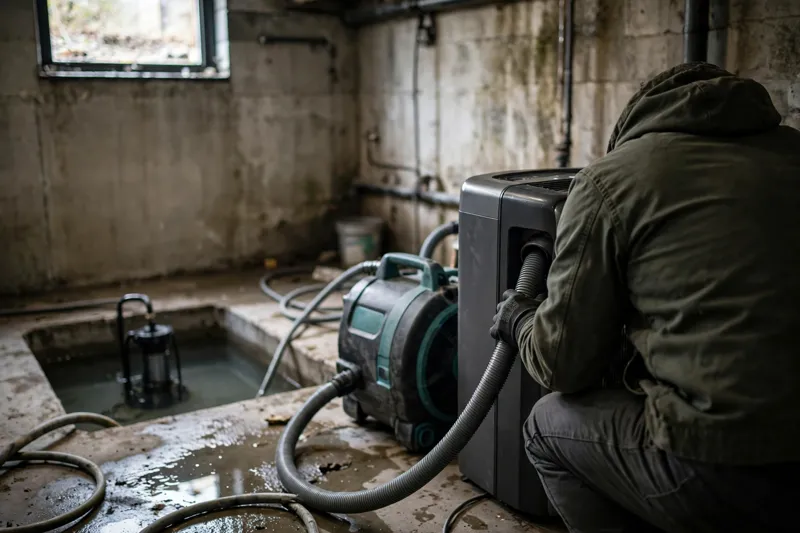
Basement Waterproofing vs Water Damage Restoration
Every homeowner with a wet basement asks the same question: do I fix what is broken, or stop the water from coming back? This guide gives the honest answer, what each job does, when each one is right, and what Chicago basements actually need. No figures, because no figure fits every house.
- The difference between the two jobs, in plain words
- A comparison table and a decision matrix for Chicago basements
- Interior and exterior work, and which one your house needs
- What no verified Chicago case could prove, and what the storm of July 2026 did
Written for Chicago homeowners, the bungalows, the two-flats, and the brick homes.
- We answer 24/7
- Local Chicago team
- Insurance documentation help
- Straight answers, no pressure
Have a question? Call us any time
Tell us what happened. A crew calls back fast, inspects the damage, and gives you a written estimate, line by line, before any work starts. This site restores water damage; it does not sell waterproofing, and the inspection says plainly which side of the line your basement sits on.
The short answer: prevention or repair?
Homeowners search basement waterproofing vs water damage restoration chicago the morning after, standing in a wet basement. The short answer is that the question basement waterproofing vs water damage restoration has two halves, and the order matters: restoration first when the basement is wet, waterproofing only once it is dry. Waterproofing keeps water out. Restoration cleans up after water is already inside. One prevents. The other repairs.
That order is the whole page in one sentence, and every section below proves it. Waterproofing is a planned job, done on a dry basement: drainage, barriers, a sump pump, and sealants that keep water out. Restoration is an emergency job, done on a wet basement: extraction, drying, removing what cannot be saved, cleaning, and rebuilding. Waterproofing a wet basement traps the moisture inside the walls. Restoration without waterproofing leaves the next storm to do the same damage again.
One fact about this site belongs up front, before the comparison begins. This site does not sell waterproofing. The live site has no blog yet, and no dedicated waterproofing page exists, a site-restricted search returns only service and location pages. This page educates toward a service the site does not offer, because the question is asked by the same homeowners the site serves, and the wrong answer costs them a basement twice. The restoration half of this page links to our own pages, and the waterproofing half tells the homeowner how to judge it.
| Waterproofing | Water damage restoration | |
|---|---|---|
| When | Planned, on a dry basement | Emergency, after water is already inside |
| Goal | Keep water out | Remove water, dry the structure, repair the damage |
| Work | Drainage, barriers, sump pump, sealants, grading | Extraction, drying, cleaning, demolition, rebuilding |
| Insurance | Usually maintenance, rarely covered | Often covered when the cause was sudden and accidental |
| Timing | Before finishing or remodelling, on a bare foundation | Start drying within two days, before mold starts |
| Limits | Cannot stop a burst pipe or a plumbing leak | Does not prevent the next flood on its own |
The table above is the shape every versus guide uses, and the only true versus article the live sweep found, a Kingston, Ontario restoration company, published in May 2026, builds its whole page around the same table and a decision matrix. This page builds the same shape for Chicago, with the Chicago facts the Ontario page never mentions: the combined sewers, the freeze winters, the sump-pump homes, and the storm of July 2026.
The difference, in detail
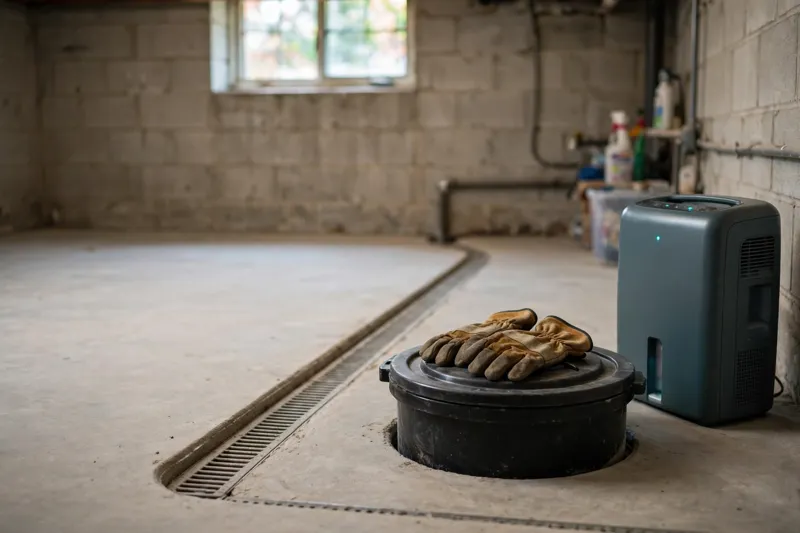
The difference between waterproofing and water damage restoration is the difference between stopping water and cleaning it up. Put plainly, basement waterproofing vs water damage restoration is the difference between a planned job and an emergency job. Waterproofing is the prevention side: exterior barriers and drainage, interior drainage, a sump pump, sealants and crack injections, and surface drainage, grading, gutters, and downspouts that carry water away from the house. Restoration is the repair side: extraction, drying, cleaning and sanitising, removing what cannot be saved, and rebuilding.
Restoration splits into mitigation, the emergency half, stopping the water and drying, remediation, the cleaning and mold half, and restoration itself, the rebuild. Waterproofing splits into exterior work, interior work, sealants, and surface drainage. A quote that says "restoration" without naming the stage has not told the homeowner which half of the job it covers.
The short search phrase waterproofing vs restoration basement asks the same question in fewer words, and the reverse phrase, water damage restoration vs waterproofing, asks it from the other side. The answer is the same in both directions: waterproofing does not stop existing damage, and restoration does not prevent recurrence. A basement that has flooded once needs both, the restoration first, then the waterproofing, on a dry basement.
One more distinction belongs here, because the search results blur it: damp proofing is not waterproofing. Damp proofing is a coating that slows moisture through a wall. Waterproofing is a system, drainage, a sump, barriers, that manages water. A homeowner who pays for a coating and expects a system has bought the wrong job.
Interior and exterior: the first decision inside waterproofing
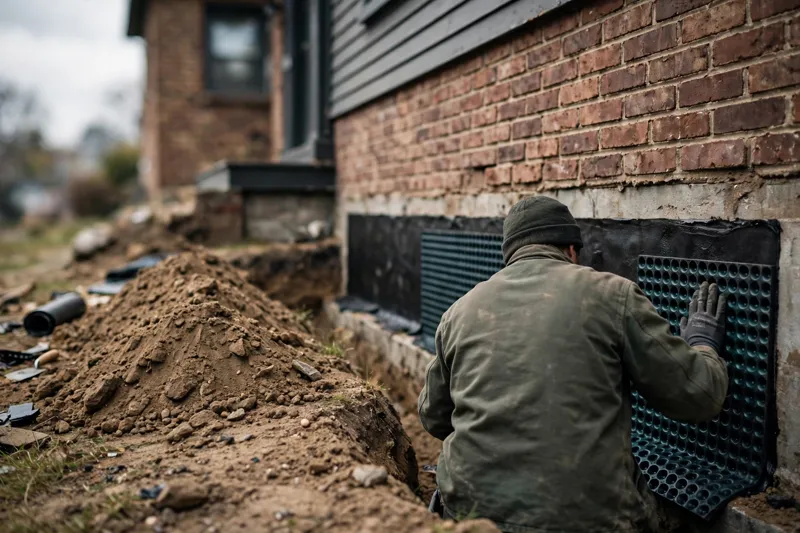
The question interior vs exterior basement waterproofing chicago is the first decision inside the waterproofing half, and it is the one the video guides argue about most. A Groundworks video watched in full for this page lays out the trade-offs plainly. Exterior work stops the water before it reaches the wall: the ground is dug up around the foundation, a membrane and a dimple mat go on the outside, and new drainage carries the water away. But the digging removes landscaping, porches, and anything built over the trench, and if the work fails, the ground is dug up again.
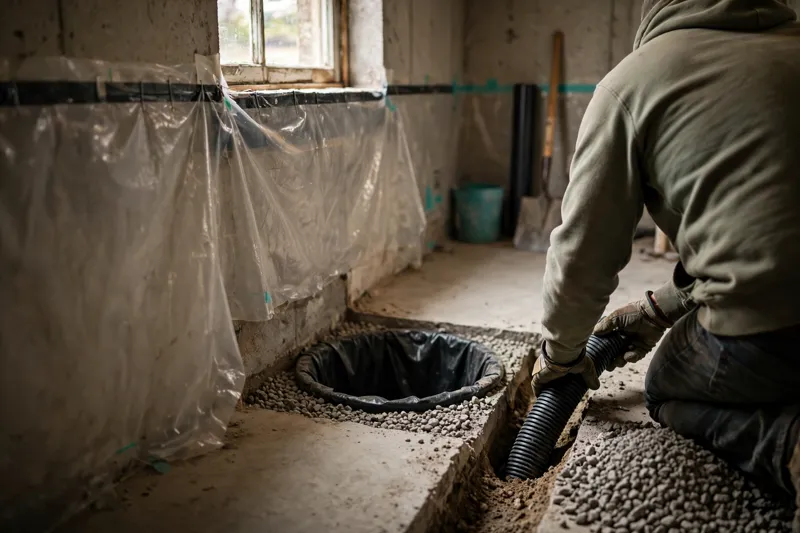
Interior work catches the water after it enters and sends it to a sump: the wall is sealed, a drain runs at the wall base where the wall meets the floor, the sump pump discharges ten to fifteen feet away from the house, and a dehumidifier keeps the air dry. The disruption is smaller, the work happens inside, the landscaping stays, and the system carries a warranty. The trade-off is that the water reaches the wall before it is caught, and the pump has to keep running.
Most Chicago homes start inside. The exterior route fits a home whose foundation is already exposed, or a home where the inside work cannot hold. A homeowner who is finishing a basement should decide before the framing goes up: interior work on a bare foundation is the cheapest time to do it, and waterproofing a finished basement means opening the walls at the base first.
The decision matrix: four Chicago situations
The matrix below settles basement waterproofing vs water damage restoration for the four situations Chicago homeowners actually face. It is the same shape the Kingston, Ontario versus article uses, a decision list, not a sales pitch, rebuilt for Chicago.
| Your situation | Do this first | Then consider |
|---|---|---|
| Standing water in the basement now | Restore: extract, dry, clean, rebuild | Waterproofing, once the basement is dry |
| Water comes back every spring | Find the source, then waterproof | Drainage and a sump, matched to the source |
| A burst pipe or a failed appliance | Restore: the water is already inside | Waterproofing will not help, fix the plumbing |
| Finishing the basement | Waterproof first, on the bare foundation | Then frame, insulate, and finish |
The choice is rarely basement waterproofing or water damage restoration, most wet basements need the restoration first, then the waterproofing. The question of when to waterproof basement vs restore water damage has one rule: restore first when the basement is wet, waterproof when it is dry, and dry the basement for three to five days before any waterproofing starts. And the question is basement waterproofing the same as water damage restoration has a one-word answer: no. They are two different services, and the order between them is the whole decision.
The Chicago version: older houses, combined sewers, and winter
The national guides leave out the Chicago parts, and the Chicago parts decide the job. The housing stock is the first one. Bungalows, two-flats, and greystones dominate the neighbourhoods, and most of them carry plaster and lath, not modern drywall. Plaster and lath hold water differently, and they hide it in the walls. An older home can also carry cast-iron drain lines and galvanised supply lines, both of which fail with age.
The second Chicago fact is the combined sewer system. In a heavy rain the sewers carry rainwater and sewage together, and when the system is overwhelmed the water comes back into basements. That is why a Chicago basement flood is so often contaminated water: the water that comes up through the floor drain has already mixed with sewage. The category changes, and the estimate follows it. The city's own programmes exist because the combined system puts basements at risk, the Private Drain Program, where the City repairs a broken sewer drain under the public way at no cost to the owner, and the Flood Assistance Repair Program for basement damage from the 2023 and 2024 floods on the west side.
The third Chicago fact is the winter. Pipes freeze and burst, and a burst pipe on a cold night can run for hours before anyone notices. And the fourth Chicago fact is the sump pump. Many Chicago homes depend on a sump pump, and a pump that fails in a storm, a power cut, a stuck switch, a failed check valve, floods the basement it was meant to protect. That is the honest answer to basement waterproofing vs water damage restoration for a Chicago bungalow: it depends on the house, not on a chart. The category, the size, the response, and the materials decide it, and the Chicago facts, the plaster, the combined sewers, the winter, the sump, push it in directions a national guide never mentions.
Searches for basement waterproofing after water damage chicago come from homeowners whose basement has already flooded once and who want it not to happen again. The answer is the same order as the rest of this page: dry the basement first, repair the damage, and only then plan the waterproofing, on a dry basement, before the room is finished again. The phrase basement waterproofing methods chicago covers four approaches, and the next sections take them one at a time: the crack, the sump, the sewer, and the finishing.
The storm of July 2026: the dated Chicago anchor
The dated Chicago anchor on this page is the storm of 27 July 2026. The City logged 238 water-in-basement calls, 286 water-on-street calls, and 17 flooded-viaduct calls by four in the afternoon, with nearly four inches of rain near Chicago Lawn in under ninety minutes. Cook County and the state both issued disaster proclamations, and no federal grant aid was available for individual homeowners. The storm is the reason this page exists in the form it does: a single storm filled basements across the city, and every one of those basements faced the same question, restore, waterproof, or both, and in which order.
Report a flooded basement to CHI 311, which is open around the clock, every day of the year. The number (312) 744-5000 appears in the CHI311 site footer. The report does not fix the basement, but it puts the flood on the City's record, and the record is what the City's programmes work from.
Diagnose the crack before you seal it
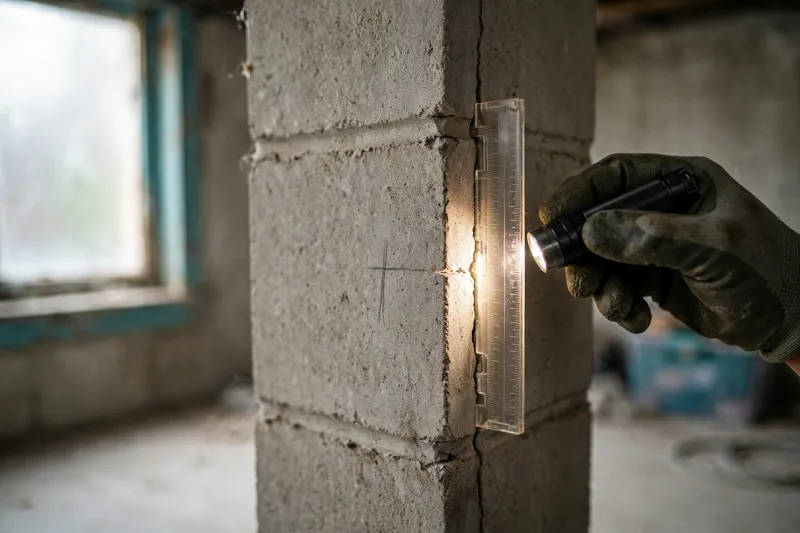
The most common waterproofing mistake is also the simplest: sealing a crack without knowing what the crack is. A crack-repair guide read end to end for this page, a complete guide to foundation crack repair and basement waterproofing, last updated in November 2026, puts the rule first: diagnose first, then seal. The crack types tell the story. A vertical crack in a poured wall is usually shrinkage, and it leaks. A stair-step crack in a block wall follows the mortar joints, and it leaks where the wall has moved. A horizontal crack, or a wall that bows inward, is a structural problem, and no sealant fixes a moving wall.
The decision rule from a waterproofing company's own guide is the same: if the wall has changed shape or position, waterproofing alone is not the full repair. If the wall is still aligned, waterproofing and drainage can do the job. The symptoms that mean a structural assessment comes first are the ones homeowners miss: a horizontal crack, a wall that bows or shears, a crack that grows wider at the top than at the bottom, and efflorescence, the white salt left behind when water dries on a wall, that keeps coming back in the same place.
The repair order matters as much as the diagnosis. Drainage first, structure second, crack last. Fix the water that pushes against the wall, fix the wall if it has moved, and only then seal the crack. Epoxy and polyurethane injections each have their place, epoxy for a structural bond, polyurethane for a flexible seal that moves with the wall, and the injection itself takes a few hours, while interior drainage takes a day or more and exterior work takes longer still. A crack sealed before the drainage is fixed will leak again from the next crack over.
The question does basement waterproofing prevent water damage has a qualified answer, and the crack is where the qualification bites hardest. Waterproofing helps for groundwater, hydrostatic pressure, and rainwater seepage, when the method matches the source of the water. It cannot prevent a burst pipe, an appliance overflow, a sewer backup, or a roof leak, and no method stops every drop in an extreme flood. Sealing a crack in a moving wall protects nothing.
The sump pump: the failure mode homeowners actually hit
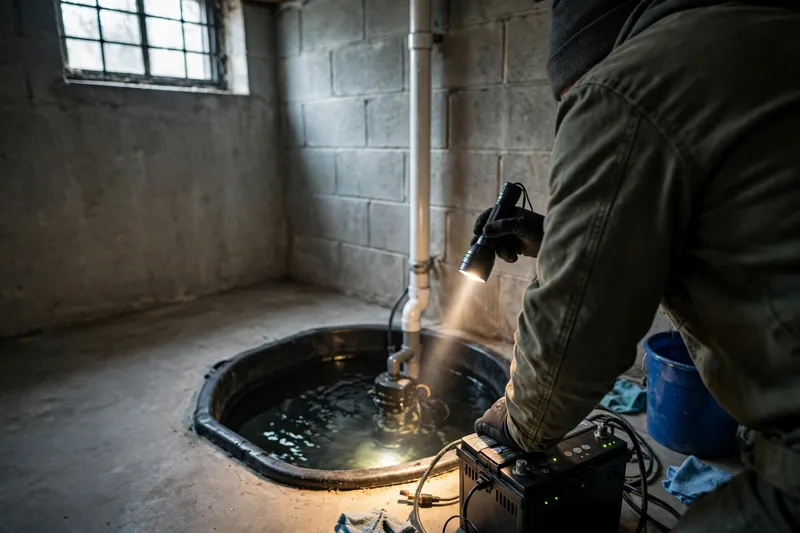
The sump pump is the part of the system homeowners trust most and test least. The failure mode that floods Chicago basements is not a mystery: the power goes out in a storm, the switch sticks, the check valve fails, or the discharge line freezes in winter and the pump runs against a blocked pipe until it burns out. A basement that depends on one pump, with no backup, has a single point of failure sitting in the lowest corner of the house.
The fixes are the ones the forum threads repeat after every flood. A battery backup keeps the pump running through a power cut. A second pump, a dual-pump setup, takes over when the first one fails. A discharge line that runs ten to fifteen feet away from the house, downhill, with a freeze-resistant outlet, does not ice up in January. And a pump that is tested before the storm season, pour water in the pit, watch it run, listen for the switch, is a pump the homeowner can trust.
The thread also carries a warning the page repeats here because it matters: the sewer-backup endorsement on a policy usually has its own cap, and the homeowner who never checked it learns the limit after the flood. Check the declarations page before the storm, not after it.
Sewer backup: a category of its own
Sewer backup is not a waterproofing problem and not an ordinary flood. It is a category of its own, and the closest guide the sweep found, a sewer-backup sanitising guide from a Kansas City restoration company, published in October 2026, treats it that way from the first line: safety first, then the source, then the cleaning. The water is black water by definition, and it carries what flood water carries: bacteria, viruses, and parasites, plus the gases that build up in a sewer line. The crew works in protective gear, respirator, gloves, goggles, and the room is ventilated before anyone spends time in it.
The cleaning has a discipline of its own. Porous materials that sat in sewage are discarded, not cleaned. Hard surfaces are pumped, vacuumed, and disinfected, and the disinfectant needs contact time, five to ten minutes on the surface, before it is wiped away. Alcohol, vinegar, and hydrogen peroxide alone do not do the job. The drying takes two to seven days on hard surfaces, and mold starts within two days when the humidity stays above fifty percent. The first two weeks after a sewer backup are the window in which the mold either starts or does not.
The source matters as much as the cleaning. A backup can come from the home's own plumbing, from the municipal line, or from a septic system, and the fix follows the source. A backwater valve, a valve that lets water out and stops it coming back, is the prevention that belongs to this category, not to waterproofing. A camera inspection of the line comes first, before any valve is fitted, because a valve fitted on a broken line protects nothing.
Insurance in Illinois: sudden, accidental, or maintenance
Groundwater seepage, foundation intrusion, a long-term leak, poor drainage, and neglect are excluded. Flooding from outside needs separate flood insurance. A sewer backup is usually covered only when the homeowner holds the endorsement for it, and the endorsement usually has its own cap.
The claims process has its own discipline, and the battery's legal sources agree on the shape of it. The insurer bears the burden of proving an exclusion. The proof of loss is usually due within sixty days. The suit-limitation period is often one to two years. Illinois law gives homeowners a bad-faith route against an insurer that unreasonably delays or denies a claim. None of those are deadlines a homeowner should test, file promptly, photograph everything, and keep the receipts.
The phrase basement waterproofing vs restoration cost drivers points at the real question behind the insurance: what moves the bill on each side. On the restoration side, the drivers are the water category, the size, the response, and the rebuild. On the waterproofing side, the drivers are the method, the access, and the disruption, digging outside costs more in disruption than draining inside, and a finished basement costs more to open than a bare one.
The mold rule follows the same sudden-and-accidental logic. The insurer covers mold only when the mold follows a sudden, accidental loss the policy already covers, such as a burst pipe. Mold from a slow leak, from flooding outside, or from a damp basement the owner never fixed is usually not covered, and mold cover has its own sub-limit. Illinois now registers mold remediation work, with a grace period for existing workers, this site gives consumer guidance only and claims no registration.
"Waterproofing is a scam": the scepticism, answered with limits
The most-watched video in the sweep is not a guide. It is a sceptic: "Basement Waterproofing is a Scam!", with a hundred and eighty-six thousand views, and it was listed in the sweep but not played, the title alone is the question homeowners ask. The honest answer to the scepticism is not a defence of the industry. It is the limits, stated plainly. Waterproofing manages water entry. It does not fix a wall that is moving. It does not fix a sump pump that has failed. It does not fix a sewer line that is broken. Done for the wrong source, it protects nothing, and the homeowner who paid for it has every right to call it a scam.
The scepticism has a second half, and it is the one the crack-repair guide states in its own footer: the guide was drafted with AI and not yet reviewed by a person. A homeowner reading waterproofing advice online is reading a mix of trade knowledge, marketing, and machine-written text, and the page that admits which is which is the page worth trusting.
The limits are also the answer to the doubt behind the scepticism. Waterproofing lowers the risk of groundwater and seepage damage. It does not remove the risk, and no method stops every drop in an extreme flood. A basement that survived the storm of July 2026 with a dry floor did not survive because of one product. It survived because the drainage, the sump, and the grading all worked together, and because the storm, for that house, stayed below the level the system was built for.
The first twenty-four hours: what to do when the basement is wet
One engine says three days to two weeks for the full job. Another says three to seven days for minor and moderate losses, and weeks to months for a severe one. A third says three to five days for a minor job, one to three weeks for a moderate one, and one to six months for a severe one. This page prints the range and the disagreement, not one settled timeline, and the first twenty-four hours are the same on every engine.
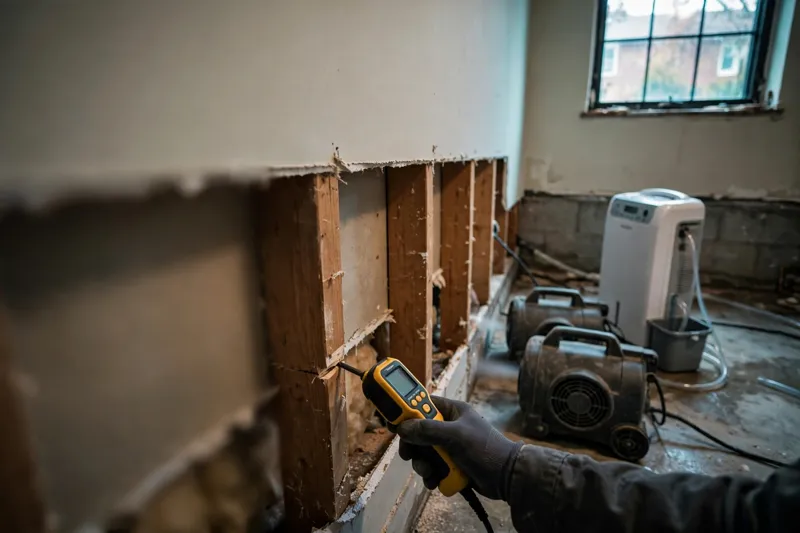
Hour one: stop the water and make it safe. Shut off the main valve for a burst pipe, cut the power to any room with standing water, and do not walk through water that may be sewage. Hours two to six: photograph everything before anything moves, and start the extraction, pumps and vacuums, not buckets, for anything deeper than an inch. Hours six to twenty-four: set the air movers and dehumidifiers and leave them running, and call the insurer with the photos and the readings in hand.
The drying runs for days after that, and the rebuild waits until the readings are normal. The mold clock runs through all of it: mold starts within two days when the humidity stays high, and the first two days are the window in which the job stays small.
What actually happened in Chicago: no verified case
This page names a Chicago case only when three things are verified: a named homeowner, an exact Chicago street address, and an incident date. That sentence is the honest result of the sweep, not a gap in the research, and this page invents no case to fill it.
The closest lead was a FOX 32 report from April 2026 about a South Side homeowner whose basement had flooded four times since 2021. The report gives only the block, not a house number, and years, not an exact date, so it is not a verified case. It is used here only as an anonymised, attributed news pattern: no name, no house number, no figure, no invented date. A second report, from CBS Chicago in July 2023, showed a Jefferson Park basement full of sewage water after record rain, again with no street address and no exact date for the second flood. A standalone burst-pipe, flood, or sewer case with a final paid bill and a street address has still not been found anywhere.
Prevention: what keeps the next job small
The guide ends where the restoration ends, with prevention, because the cheapest job is the one that never happens. Test the sump pump before the storm season, and fit a battery backup. Clear the gutters and the downspouts so the water runs away from the foundation. Replace washing-machine hoses that are more than five years old, and keep the heat on in winter. Grade the ground away from the house, and keep the downspout extensions on through the spring.
Keep the receipts, the photos, the readings, and the claim file, and check the insurer's first scope against the rooms the water reached. A small leak found in a day is a small job, and a small leak found in a month is a big one. The prevention is not a product. It is the same discipline the restoration runs on, find the water fast, dry it properly, and never let a small problem sit.
How to decide what your basement needs first in Chicago: the seven
The stages below are the same order the whole page follows. The decision is not a product from a website, it is a written scope for your house, built stage by stage, and the waterproofing decision comes last, on a dry basement.
Stop the water and make it safe
Shut off the source, the main valve for a burst pipe, the appliance for a failed hose, and cut the power to any room with standing water. Do not walk through water that may be sewage or may hide a live wire. Call for help before you start moving things.
Find the source and map the moisture
Walk every room and photograph everything before anything moves. Find where the water came from, measure the moisture in the walls and floors, and write the readings down. The photos and the readings are what the claim and the estimate are built on.
Extract and start the drying
Pump and vacuum out the standing water, then set the air movers and dehumidifiers and leave them running. The first hours decide the size of the job: water that is extracted fast does the least damage, and mold starts within two days.
Decide what comes out
Sort the water into clean, grey, or black. Porous materials that sat in contaminated water are discarded, not cleaned. Drywall that sat in water for days is cut out and replaced. The crew decides by measuring, not by looking.
Dry to the readings
Run the drying until the moisture readings match the dry standard, room by room, then verify every room. Drying is verified with meters, not by feel. The equipment comes out when the readings say so, not when the calendar says so.
Clean, sanitise, and check for mold
Clean and sanitise every surface the water touched, with protective gear and ventilation, and check for mold in the walls and behind the trim. Mold that keeps coming back means the moisture source is still open, find it before the rebuild starts.
Rebuild, then decide about waterproofing
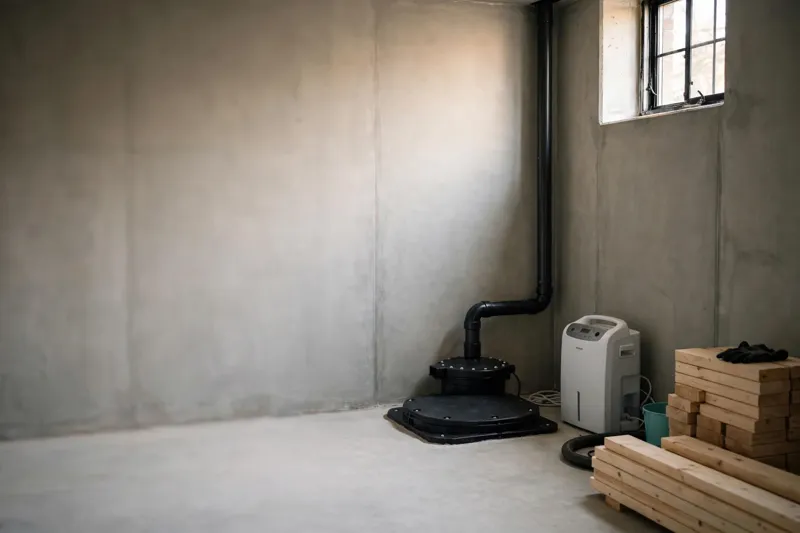
Rebuild the damaged rooms to their pre-loss condition, then walk through with the adjuster. Only once the basement is dry do you decide about waterproofing: if the water came from outside, plan the drainage and the sump now, on a dry basement, before you finish it again.
Before the crew leaves: the checklist
- The water source is stopped, and the standing water is out
- Every room is photographed, and the moisture readings are written down
- The water category is named, clean, grey, or black
- The estimate is line by line, with the drying days shown
- The mitigation and the rebuild are priced separately, and both are in writing
- The drying is verified with meters, not by feel
- The mold work, the contents, and the permits are named in writing
- The waterproofing decision waits until the basement is dry
- The receipts, the photos, the readings, and the claim file are kept together
Call now, dry it first, then decide
The first day decides the whole job. Call now and a crew inspects the damage, measures the moisture, and gives you a written estimate, line by line, before any work starts.
Questions Chicago homeowners ask about waterproofing and restoration
What is basement waterproofing vs water damage restoration?
Basement waterproofing keeps water out of a basement before it gets in, using drainage, barriers, a sump pump, and sealants. Water damage restoration cleans up and repairs after water is already inside, by extracting it, drying the structure, removing what cannot be saved, and rebuilding. One prevents. The other repairs.
Does homeowners insurance cover water damage restoration, or only part of it?
It covers only part of it. The policy pays for the drying and the repair when the cause was sudden and accidental, up to your limits, minus your deductible. It does not pay for the pipe or the appliance that failed, or for flooding from outside. A sewer backup needs its own endorsement.
How long does water damage restoration take?
Drying takes three to seven days on most losses, and the job with repairs usually takes one to three weeks. A small leak in one room can finish in days.
What is water damage restoration called?
The full job, stopping the water, drying the structure, cleaning, and rebuilding, is called water damage restoration. The emergency half, stopping the water and drying, is also called mitigation. Removing mold growth is a separate job, called remediation, and it follows the drying, never the other way around.
Does insurance cover water damage restoration?
Yes, when the damage was sudden and accidental, a burst pipe, a failed water heater, an appliance hose that gave way. The claim runs in order: call the insurer, photograph everything, start the drying, and keep the receipts. The adjuster works from the readings and the photos, so the file you build in the first day decides the claim.
What is the water damage restoration process?
The process runs in order: inspection first, to find the source and how far the water spread; then extraction, with pumps and vacuums; then drying, with air movers and dehumidifiers; then cleaning and sanitising; then the repairs. Dry the floors, walls and framing fast to stop mold, and document everything.
Does homeowners insurance cover mold?
It covers mold only when the mold follows a sudden, accidental loss the policy already covers, such as a burst pipe. Mold from a slow leak, flooding outside, or a damp basement the owner never fixed is usually not covered. Mold cover has its own sub-limit, so read the policy before you need it.
What should I do when I find mold?
Fix the moisture source first, or the mold comes back. Wear a respirator rated N95, gloves and goggles, and clean only a small patch yourself, ten square feet or less. Anything bigger, or mold that keeps coming back, needs a professional crew with the right equipment.
How much does homeowners insurance pay for water damage?
No page can give you a number, because the payment depends on your policy, your deductible, the cause, and the limits you bought. The insurer pays the drying and the repair, less your deductible, and it does not pay for the pipe that failed. Ask your insurer what your limits are.
Does renters insurance cover water damage?
It covers the renter's belongings when the damage was sudden and accidental, such as a burst pipe or water from an upstairs neighbour's plumbing. It does not cover flooding from outside, which needs separate flood insurance, and it does not cover the building itself, the walls, floors and pipes are the landlord's.
How much does mold testing cost?
This site prints no prices, so no figure here can mislead you. The cost depends on how many samples are taken, whether the testing is air or surface, whether a lab is involved, and how big the affected area is. We inspect first, then give you a written scope.
Does homeowners insurance cover a burst pipe?
Yes, when the pipe burst suddenly, a freeze split, a joint that failed without warning, a line that gave way all at once. The insurer pays for the water damage the burst caused, not for the pipe itself. A slow leak that ran for months may be classed as wear and tear.
How much does trenchless sewer repair cost?
This site prints no prices, so no figure here can mislead you. The cost depends on the length of the line, how deep it runs, whether the pipe is lined or burst through, and what sits above it, a driveway, a patio, or a street. A camera inspection comes first.
How much does water damage restoration cost?
This site prints no prices, so no figure here can mislead you. The cost depends on the water category, the size of the affected area, how fast the crew got in, and what the water touched. The rebuild, drywall, flooring, cabinets, is usually the biggest part of the job.
What does it mean for water damage to be fully remediated?
It means the water source is fixed, the standing water is gone, the wet materials are dried to the readings, the room is cleaned and sanitised, mold and contamination are addressed, and the repairs are finished, with indoor humidity at forty to sixty percent. A remediated home is dry, clean and safe again.
What is the difference between waterproofing and water damage restoration?
Waterproofing is the prevention side: drainage, barriers, a sump pump, and sealants that keep water out. Restoration is the repair side: extraction, drying, cleaning, and rebuilding after water is already inside. One stops water coming in. The other fixes what the water did. The table below lays the two side by side.
When should I waterproof my basement instead of restoring water damage?
Waterproof when the water keeps coming back, recurring seepage, a high water table, damp that returns every spring, or before you finish a basement. Restore when the water is already inside, a burst pipe, a failed appliance, standing water, sewage. If both apply, dry the basement first, then waterproof it.
Does basement waterproofing prevent water damage?
Yes, for groundwater, hydrostatic pressure, and rainwater seepage, when the method matches the source of the water. It cannot prevent a burst pipe, an appliance overflow, a sewer backup, or a roof leak, and no method stops every drop in an extreme flood. Waterproofing lowers the risk. It does not remove it.
What are the methods of basement waterproofing?
Four approaches, used together more often than alone: exterior work, with membranes and drainage outside the foundation; interior drainage, with a drain at the wall base and a sump pump; sealants and crack injections; and surface drainage, with grading, gutters, and downspouts that carry water away from the house.
Is basement waterproofing the same as water damage restoration?
No. They are two different services, and the order matters: restore first when the basement is wet, then waterproof once it is dry. Waterproofing a wet basement traps the moisture inside the walls. Restoration without waterproofing leaves the next storm to do the same damage again.
Is basement waterproofing worth it?
It is worth it when water keeps coming back, recurring seepage, a damp basement every spring, a high water table, or a basement you plan to finish. It is not worth it as a first step after a flood: dry and repair the damage first, then decide. The worth of the work depends on the source of the water.
How long should basement waterproofing last?
No honest page can give one number, because the life of the work depends on the method, the water it fights, and how it is maintained. A sump pump needs testing and a battery that holds a charge. A membrane buried outside the foundation lasts as long as the drainage around it keeps working.
Can you waterproof a basement that is already finished?
Yes, with limits. Interior work, a drain at the wall base, a sump pump, sealants, can be done without tearing the whole room apart, though the base of the walls comes out. Exterior work needs the ground dug up outside, which is harder once the landscaping is in. Start with the interior.
What is the best waterproofing method for basements?
There is no single best method, because the right one depends on where the water comes from. Groundwater pushing up through the floor needs drainage and a sump. Water coming through a wall crack needs the crack fixed first. A home with both needs both. The method follows the source, never the other way around.
Is it better to waterproof a basement from inside or outside?
Outside stops the water before it reaches the wall, but it means digging up the landscaping, and anything built over it, and digging again if it fails. Inside catches the water after it enters and sends it to a sump, with less disruption. Most Chicago homes start inside, and go outside only when the inside work cannot hold.
What is the negative side of waterproofing?
It manages water entry, it does not fix a wall that is moving, a sump pump that has failed, or a sewer line that is broken. Interior work needs the walls opened at the base and a pump that runs. Exterior work means digging, and the disruption that comes with it. Done for the wrong source, it protects nothing.
Does basement waterproofing increase home value?
This page gives no figure for the gain, because no two houses gain the same amount. What buyers and insurers look at is a basement that stays dry, with the work documented and the sump tested. A dry basement with a written record holds its value better than a wet one with a fresh coat of paint.
What are some reputable waterproofing companies in Chicago?
This page names no company as a recommendation, because this site does not sell waterproofing and does not endorse waterproofing firms. Vet any firm the same way: an inspection first, the moisture source named in writing, a written scope with the method and the warranty, and references from Chicago basements like yours.
Sources
- 24/7 Remedial Services, Kingston ON, a versus article with a comparison table and a decision matrix, 7 May 2026, read end to end. No figures printed here.
- Vocal Media, a cost comparison from East York, two years old, read end to end. No figures printed here.
- Crack Seal Pros, a crack-repair and waterproofing complete guide, last updated 6 November 2026, read end to end. The page states it was drafted with AI and not yet reviewed by a person.
- AFC Clean, a sewer-backup sanitising guide, 22 October 2026, read end to end. No waterproofing page exists on that site.
- TCM Waterproofing, Sugarcreek OH, a foundation-wall repair versus waterproofing guide, 6 October 2026, read end to end.
- Prime Restoration LLC, a versus comparison video, watched in full, just over one minute long.
- Groundworks, an interior-versus-exterior waterproofing video, watched in full, just over two minutes long.
- CBS Chicago, a record-rain basement flooding video, uploaded 3 July 2023, watched in full.
- FOX 32 Chicago, Tia Ewing, 7 April 2026, a South Side basement flooding report, read live; the block only, no house number, so not a verified case.
- Mag Mile Law, a flooded-basement insurance guide for the 27 July 2026 storm, 4 September 2026, read live.
- WikiHow, "3 Ways to Waterproof Your Basement", co-authored by Grant Wallace, updated 24 February 2026.
- City facts: chicago.gov (Department of Water Management; CHI 311; Private Drain Program; Flood Assistance Repair Program). Illinois Department of Insurance.
More from the blog
- Water damage restoration in Chicago, the service page
- How long does water damage restoration take in Chicago?, the timeline guide
- Does homeowners insurance cover water damage in Chicago?, the insurance guide
- How much does water damage restoration cost in Chicago?, the cost-drivers guide
- Sewage backup cleanup in Chicago, the basement backup guide
More Restoration Services in Chicago
Every service below is one tap away. Pick the one that matches your problem.

Water Damage Restoration
Fast water extraction, structural drying, and full repair after burst pipes, leaks, and floods.
Learn more →
Water Mitigation
Emergency water removal, structural drying, and mold prevention to stop the damage fast, 24/7.
Learn more →
Mold Remediation
Safe, contained mold remediation that removes contamination and fixes the moisture source.
Learn more →
Sewage Cleanup
Safe removal and disinfection of dangerous sewage backups and black water.
Learn more →
Flood Cleanup
Water pumped out, structure dried, and debris cleared fast after storms and flooding.
Learn more →
Hardwood Floors Water Damage
Cupped, buckled or stained hardwood after a leak? How we dry it, when sanding saves it, and when the boards have to go.
Learn more →